
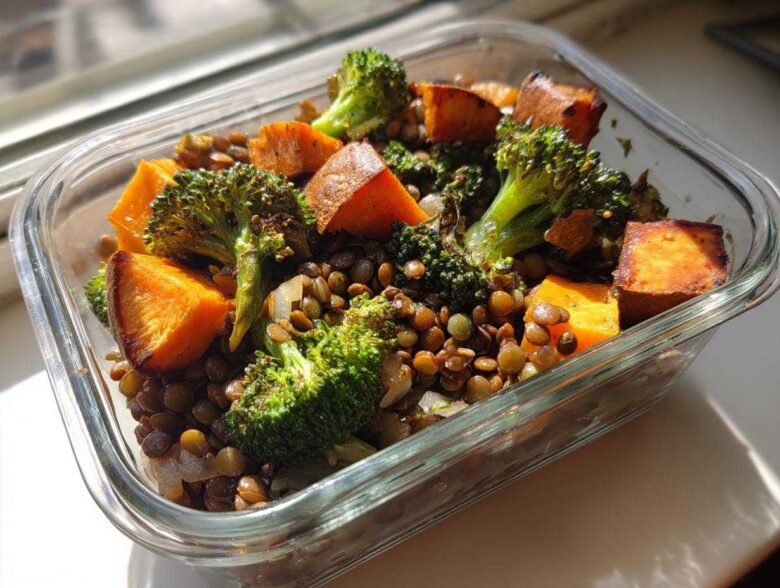
Oh, I know the struggle! Trying to keep up with a busy week while also genuinely caring about where your food comes from feels like a tightrope walk sometimes, right? You want convenience, but you don’t want the mountain of plastic waste that comes with it. That’s exactly why I spent months tinkering in the kitchen until I nailed down this system. Forget complicated recipes; this guide gives you the ultimate Sustainable Grocery List Meal Prep plan for five completely zero-waste, totally delicious vegan lunches. Trust me, seeing all five containers ready on Sunday night makes the whole week feel easier and cleaner!
This specific plan revolves around staples—lentils, hardy root vegetables, and whole grains—because they are brilliant for minimizing waste when you batch cook. Head over to my main blog page if you want to see more of my cooking philosophy! Check out more kitchen adventures here.
Why This Sustainable Grocery List Meal Prep System Works
Okay, so why go through the trouble of planning your haul so carefully? Because this method is the sweet spot where busy life meets good conscience. We’re pairing maximum efficiency—getting five lunches done in under 90 minutes—with minimum planetary impact. It just feels good to know you aren’t throwing out scraps or packaging!
Here’s what makes this approach so solid for weekly cooking:
- It’s almost entirely plant-forward, which naturally lowers the carbon footprint of your week’s meals.
- Every ingredient counts; leftovers aren’t really a thing because we pre-portion everything!
- The ingredients are hearty and hold up beautifully together, so your 3rd-day lunch tastes just as vibrant as your first.
Focusing on Seasonal Eating Meal Prep Staples
We’re leaning heavily on the tough stuff here—the roots and the grains. Things like carrots and sweet potatoes? They store forever and are often easy to find locally grown, even when the weather isn’t perfect for tender greens. Since this is a plant-based approach, using dried lentils and quinoa means we rely on pantry staples that have a long shelf life. It keeps the grocery trip targeted and helps avoid impulse buys!
Maximizing Efficiency: Low Impact Food Preparation
The best part is the time investment. We are talking about 45 minutes prep and 40 minutes cooking time for five full meals. That whole process takes less than an hour and a half! When you cook everything in one big session like this, you use the oven and stove far more efficiently than cooking five separate small meals throughout the week. That energy saving? That’s totally low impact food preparation right there.
Your Zero Waste Grocery Shopping Guide: Ingredients for Sustainable Grocery List Meal Prep
Alright, time for the fun part: building our shopping list! This is where we focus only on what the recipe needs so we aren’t tempted to buy extras that might just end up wilting in the back of the fridge. We are aiming for maximum utility here, which is key to keeping waste down. My personal trip always involves taking my nice linen bags for the bulk items!
If you’re new to buying dry goods without plastic bags, check out my guide on how to master Bulk Buying for Sustainable Cooking. It takes the guesswork out of bringing your own containers!
Produce and Fresh Items
We need vegetables that play well together and cook evenly. Make sure you grab the right sizes—I look for carrots that are sturdy and sweet potatoes that are nice and big for roasting!
- 4 medium carrots, and don’t forget to get them scrubbed clean!
- 2 large sweet potatoes
- 1 whole head of broccoli
- 1 large yellow onion
- 4 cloves of garlic
- 1 big bunch of kale or collard greens (whatever looks best at the market!)
Pantry Staples for Plant Based Grocery List for Meal Prep
This section is where you save the most money and packaging. Hit the bulk bins for these items whenever you can. If you can’t buy them in bulk, just make sure you are buying the largest bag possible rather than lots of small boxes.
- 1 cup dry brown or green lentils
- 2 cups dry quinoa or brown rice
- 1/2 cup raw sunflower seeds (great for texture!)
- 1/4 cup apple cider vinegar
- 1/4 cup good olive oil
- 2 tablespoons dried herbs, like a mix of thyme and oregano
- Salt and black pepper, of course!
Step-by-Step Eco-Friendly Weekly Meal Plan Instructions
Putting this all together is surprisingly fast once you get your systems running. My approach is always to get the longest cooking items started first. Don’t stress about multitasking; just follow the phases! Also, remember those vegetable scraps we mentioned? While your lentils and grains are simmering away, toss any onion ends or carrot peels into a bag in the freezer. That’s how we save up for next week’s broth!
For all the cooking details, I linked my guide on Low Impact Food Preparation, but here’s the quick overview for this batch.
Phase 1: Cooking Grains and Legumes
First things first—get your base starches cooking! Cook the 1 cup of dry brown or green lentils exactly how the package says, then drain them well. Next, do the same for your 2 cups of dry quinoa or brown rice. Having these ready to go is honestly half the battle for any great meal prep. Set them both aside to cool slightly while we handle the flavor boosters.
Phase 2: Roasting and Sautéing Vegetables
This is where the flavor really deepens! Take those 4 carrots and 2 sweet potatoes and chop them into similar, bite-sized cubes. Toss them in half your olive oil, salt, and pepper, and get them roasting at 400°F (200°C) for about 20 to 25 minutes until they are tender. While those are roasting, finely chop your onion and mince those 4 garlic cloves. Sauté them gently until soft, then toss in your dried herbs and cook for just one more minute until you can really smell them!
Phase 3: Final Assembly for Reducing Food Waste Meal Prep
Time to bring the party together! Steam or lightly blanch your broccoli florets so they stay bright green but still have a little bite. Roughly chop your kale or collards, and here’s an important trick: massage them with the 1/4 cup of apple cider vinegar and just a pinch of salt for two full minutes until they start to soften up. Now, gently mix the cooked lentils, grains, roasted veggies, sautéed flavors, and massaged greens together in one big bowl. Divide that beauty evenly into your five reusable containers.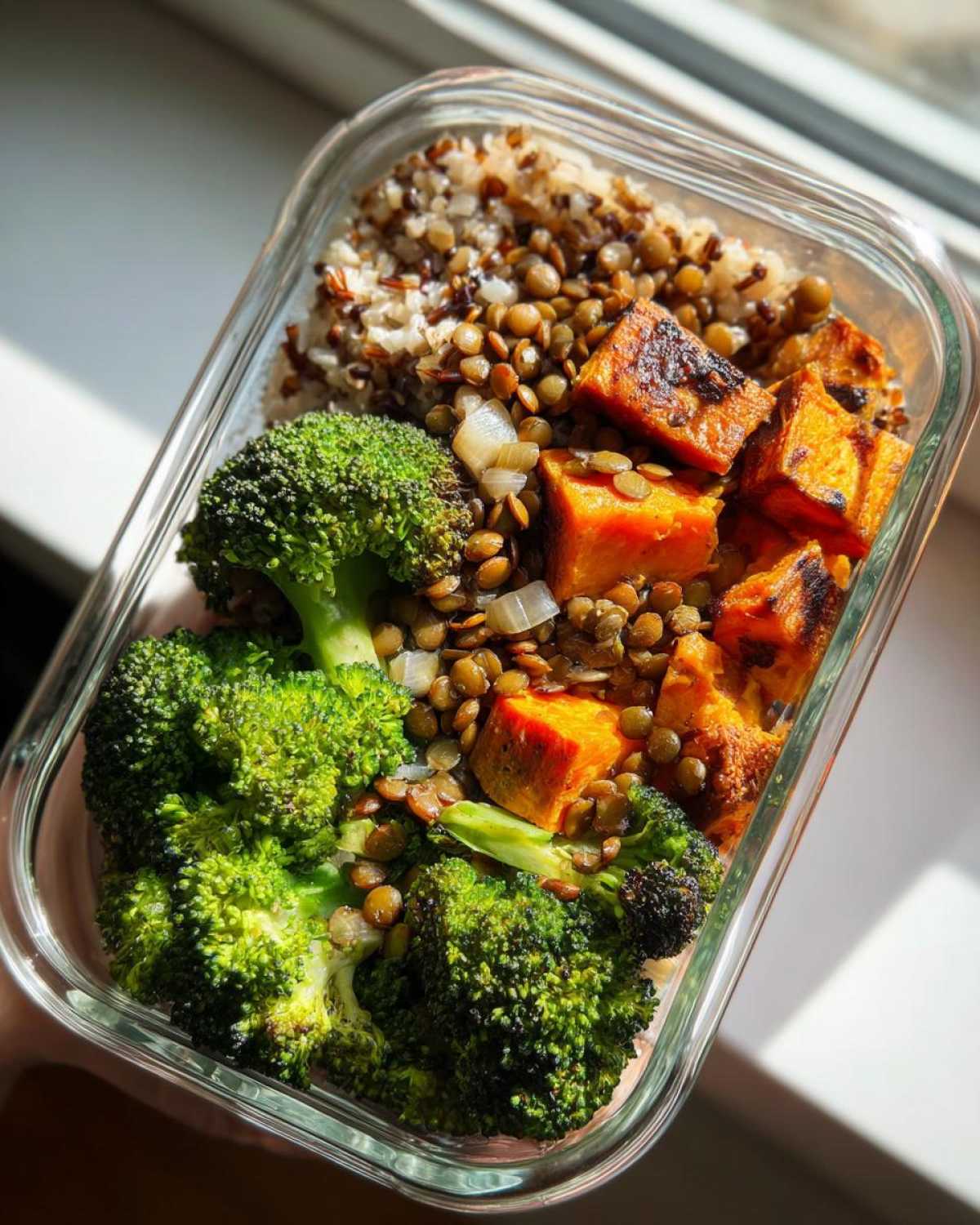 Don’t forget your final zero-waste step: keep those sunflower seeds separate and sprinkle them on top right before you eat!
Expert Tips for Sustainable Meal Prep Ideas Success
Okay, now that we’ve got the main meal assembled, let’s talk about making this system last all week and truly locking down that zero-waste goal. I’ve learned a few things over the years about keeping these hearty vegan bowls tasting fresh all the way to Friday lunch. It’s not just about the cooking; it’s about the aftercare!
Storage for Kitchen Storage for Sustainable Prep
My number one rule for storage? Throw out those clear plastic containers you bought years ago! Seriously, if you haven’t already, switch over to glass.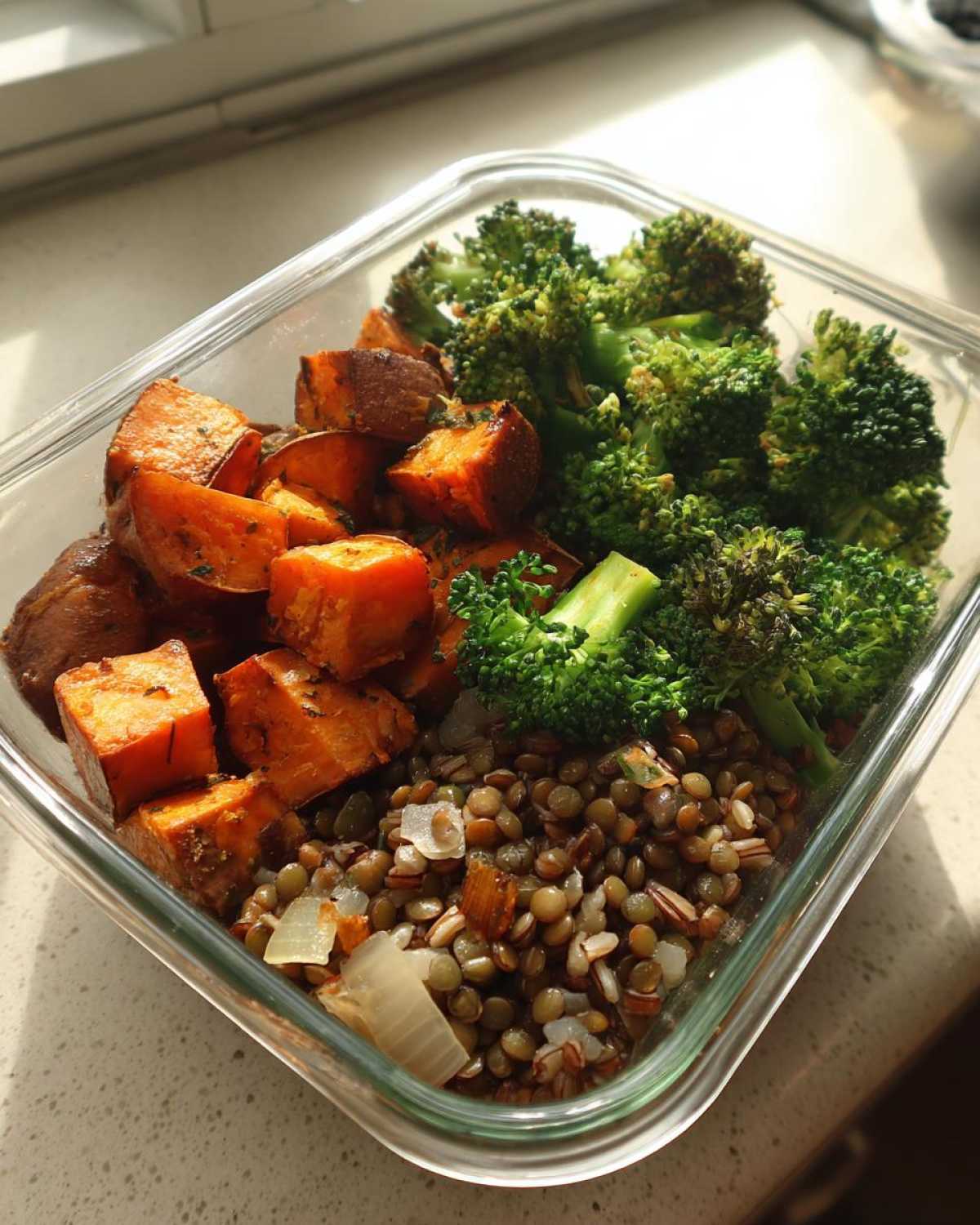 Glass keeps food sounding fresher, it doesn’t absorb odors, and honestly, it just feels cleaner when you open it up on Day 4. We made a hearty, low-moisture bowl here, which is fantastic for longevity, but keeping things sealed tight is key. I make sure the lids are pressed down firmly—if you put the lid on while the food is still slightly warm, it creates a decent seal, helping keep things fresh for the full five days we’re aiming for!
Advanced Reducing Food Waste Meal Prep Techniques
Remember those veggie ends we mentioned? The onion skins, the tough stems from the kale, maybe a bit of the carrot peel? Don’t just toss them! Keep a gallon-sized freezer bag labeled “Broth Scraps.” Every time you cook, throw clean, usable scraps in there. Once that bag is full, you simmer it with some water for an hour, and you’ve got free, flavor-packed vegetable broth for your next soup or grain cooking adventure. It’s almost cheating!
And the other thing? Leftover fresh herbs. If you accidentally bought too much mint or parsley, chop the usable bits up really fine, mix them with a little olive oil, and freeze that herbal paste in an ice cube tray. Pop one cube into your pan next time you sauté garlic—instant flavor boost, and you used every last leaf!
Ingredient Substitutions for Your Conscious Consumer Grocery List
We all have those weeks where the farmer’s market just doesn’t have what you planned on, or maybe you just want to shake things up a bit! That’s totally fine, as long as we keep the sustainable mindset. A good cook improvises, right? The goal here is flexibility without sacrificing our low-impact shopping principles. Making smart swaps is part of being a conscious consumer.
Grain and Legume Swaps
Since we leaned on lentils and quinoa this time, you’ve got easy outs! If the store is out of green lentils, grab black beans instead—they absorb dressing so nicely. For the grain, if they don’t have quinoa, try farro or even barley. The main thing is checking the bulk bins for those, too! If you can’t get it by weight, it’s probably not the best fit for this particular sustainable shop.
Seasonal Vegetable Flexibility
The great thing about hardy veggies is that they come in waves! If the kale is looking raggedy that week, don’t panic. My go-to replacement for that hearty green chewiness is dark green cabbage, shredded really thin, or sometimes Swiss chard if it looks fantastic. For the roasted roots, if sweet potatoes are pricey or just not looking their best, swap them out for butternut squash or some nice parsnips. They roast up beautifully with the same seasonings!
Serving Suggestions for Easy Sustainable Dinners Prep
This big batch of lentil and grain bowls is fantastic for lunch, but honestly, I hate feeling like I have to eat the exact same thing for dinner three nights in a row. The beauty of building a strong base like this is its versatility! We planned our Sustainable Grocery List Meal Prep haul so that these components can be easily stretched and transformed into something completely different for dinner later in the week. It’s like getting two meals for the effort of one!
If you’re ready for dinner ideas after all that lunch prep, I have loads of inspiration over on my main recipe index. You can check out all the fun options here: Explore my best meal ideas here.
Turning the Bowl into a Savory Grain Bake
Take about half of the leftover mixture—the grains, the lentils, and the veggies—and press it firmly into a small, lightly oiled oven-safe dish.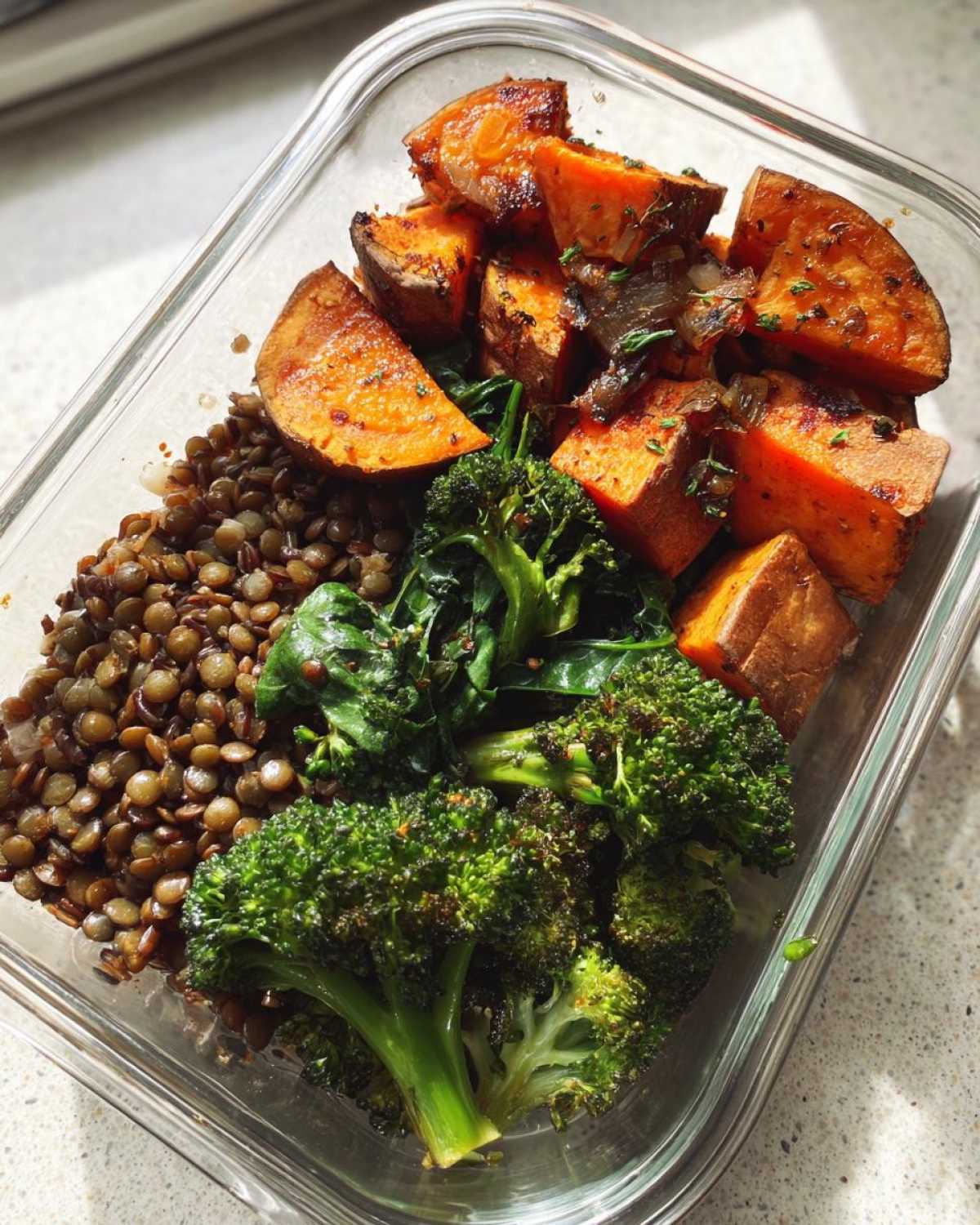 Now, top it with a slice of cheese, or if you’re keeping it totally vegan, maybe some nutritional yeast mixed with breadcrumbs for a crispy top! Bake it at about 375°F (190°C) until it’s hot all the way through and the top is nicely browned. It goes from weekday lunch to cozy, baked comfort dinner in about 15 minutes!
Creating Quick Veggie Wraps or Tacos
This blend is already savory and packed with herbs, so it works great as a filling. Just warm up a portion of the mix quickly in a skillet—add maybe a tiny splash of hot sauce or fresh lime juice if you have it. Then, pile that warm mixture into corn tortillas or big lettuce cups.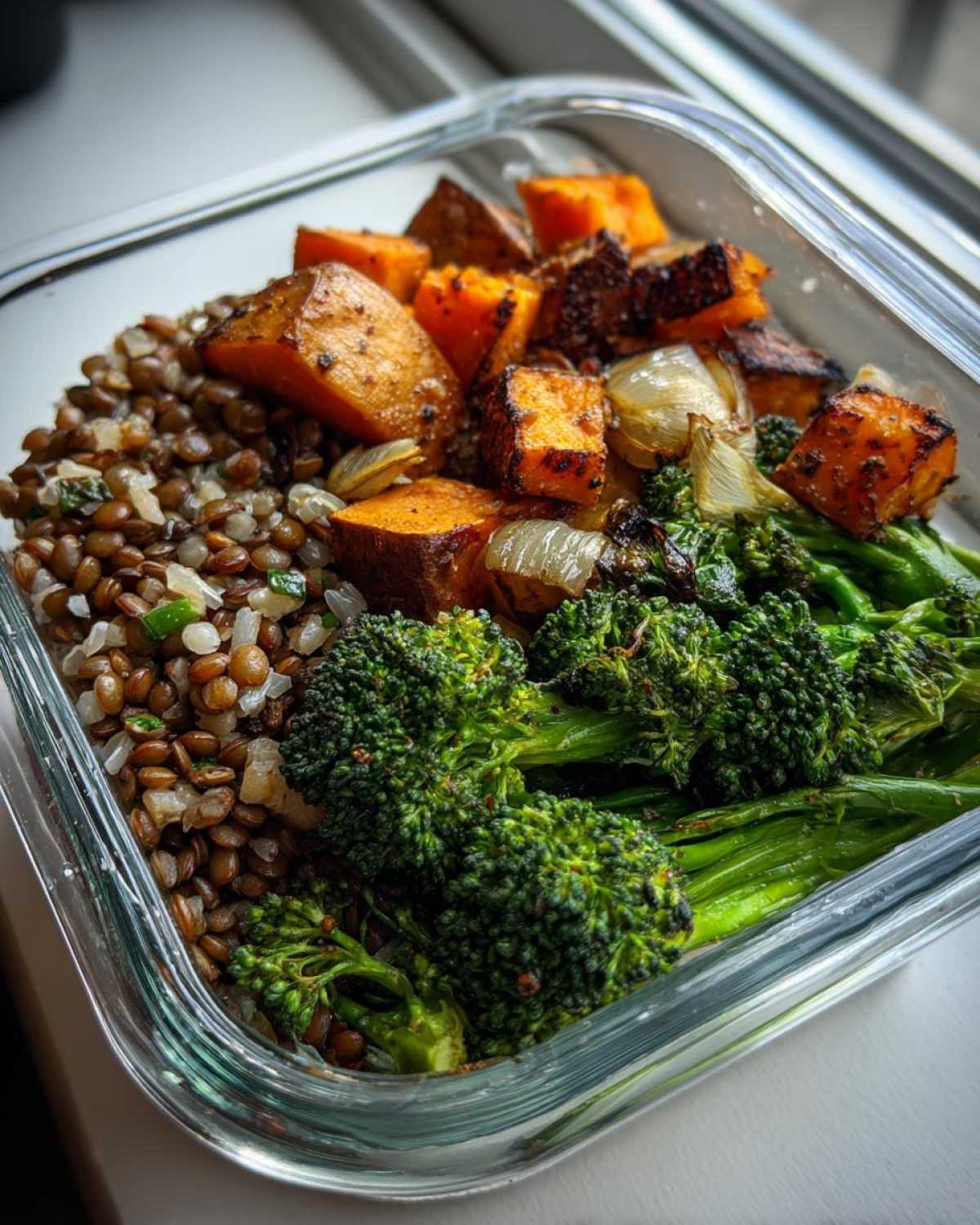 If you had a few extra carrots or some other local slaw vegetable left over, that would make a fantastic crunchy topping. This is such an easy way to use up the last of the prep without making a fuss!
Boosting the Base into a Brothy Soup
Remember those **Reducing Food Waste Meal Prep** scraps we saved? If you managed to turn those into broth, use it now! If not, any store-bought low-sodium broth works. Take a couple of servings of the grain and lentil mix and toss it into a pot with about two cups of warm broth. Let it simmer gently for 5 minutes to soak up the flavor. It instantly turns into a hearty, warming soup. If you added the kale massaged with vinegar earlier in the week, it actually adds a nice brightness to the hot broth—a perfect, light *and* affordable dinner!
Frequently Asked Questions About Sustainable Grocery List Meal Prep
It’s smart to have questions! When you’re changing up how you shop and cook, you want to make sure the system actually works for your life. I get asked the same things all the time about longevity and money, so let’s tackle those real-world concerns right now. Getting these details sorted means your sustainable prep will stick!
Is this Budget Sustainable Grocery List truly cost-effective?
Oh, absolutely! This is one of the best parts of building a **Sustainable Grocery List Meal Prep** around whole ingredients. Dried lentils and grains—quinoa, rice—are some of the cheapest nutritional powerhouses you can buy, especially when you get them in bulk using your own containers like we talked about. Plus, when you focus on seasonal eating, you skip the massively inflated prices the grocery stores charge for hothouse tomatoes in January! It keeps your weekly spend way down compared to relying on processed, packaged meals.
How long will these Waste Free Lunch Ideas last in the fridge?
That’s what I love about this specific combo! Because we avoided really tender, high-water-content fresh greens (we massaged the kale instead of cooking it down) and we’re using hearty components like roasted roots and cooked grains, these meals hold up fantastically. If you store them in good glass airtight containers like I recommend, these **Waste Free Lunch Ideas** are perfectly safe and delicious through Day 5. Day 6 might start pushing it, but trust me, they usually disappear by lunch on Thursday!
What is the best way to reheat this Green Kitchen Meal Planning recipe?
I usually lean toward the stove when I can—it’s gentler! If you have a few minutes, toss a serving in a small saucepan over medium heat. But here’s the real secret to keeping it from turning dry: add just a tiny splash of water or, even better, some of that vegetable broth you saved from your scraps! That steam gently rehydrates the lentils and rice without turning the whole thing mushy. If you *must* use the microwave, use a damp paper towel draped over the top; it traps the steam beautifully while it heats up!
Estimated Nutritional Breakdown
Okay, let’s talk fuel! When we’re focusing on Sustainable Grocery List Meal Prep, we’re naturally leaning toward whole, nutrient-dense foods, so the macros usually work out for us. These numbers are just my best guess based on standard commercial products like dried lentils and quinoa, mixing everything together. Since everyone’s portion size might be slightly different, treat these as solid approximations for your Low Impact Food Preparation batch! They are definitely built to keep you full and energized through that afternoon slump.
Here is what you can generally expect from one of these containers:
- Approximation of Calories: 450
- Protein Power: Around 20 grams
- Filling Carbohydrates: Roughly 65 grams
- Healthy Total Fat: About 15 grams
The best part? We’re talking 15 grams of fiber in that count, which definitely helps manage those carbohydrates and keeps your digestion happy all week long. And zero cholesterol, because this meal plan is proudly plant-based! It’s proof that eating ethically and eating well for your body go hand-in-hand when you plan ahead.
Share Your Ethical Grocery Haul Ideas
Well, that’s it! We’ve gone from a bare cupboard to five days of healthy, zero-waste lunches using just one efficient cooking session. I really hope this **Sustainable Grocery List Meal Prep** system makes your week feel lighter!
Now, I want to hear from you! Cooking is a conversation, and I truly love seeing how you bring these ideas into your own kitchens. Did you try the lentil and root veggie bowl? If you did, please stop by the comments below and give it a star rating—it helps other folks know they should dive in!
- What local gems did you find on your **Zero Waste Grocery Shopping Guide** trip this week? Tell me the best seasonal vegetable you scored!
- Did you try freezing those veggie scrap cubes? I’d love to see pictures of your beautiful **Ethical Grocery Haul Ideas** posted over on social media! Make sure to tag me so I can cheer you on.
- If you changed up the herbs or tried a different grain, let me know how that worked out for your efficiency goals!
If you have any super specific questions that popped up while you were prepping or if you just want to drop a line, my contact page is always open for a chat! Reach out to me right here.
Happy prepping, and enjoy those waste-free lunches!
PrintThe Ultimate Zero-Waste Vegan & Plant-Forward Meal Prep: 5 Days of Lunches
A five-day plant-forward meal preparation plan using a sustainable grocery list focused on seasonal staples like lentils, root vegetables, and grains to minimize waste.
- Prep Time: 45 min
- Cook Time: 40 min
- Total Time: 85 min
- Yield: 5 servings
- Category: Lunch
- Method: Batch Cooking
- Cuisine: General
- Diet: Vegan
Ingredients
- 1 cup dry brown or green lentils
- 2 cups dry quinoa or brown rice
- 4 medium carrots, scrubbed
- 2 large sweet potatoes
- 1 head of broccoli
- 1 large yellow onion
- 4 cloves garlic
- 1 bunch kale or collard greens
- 1/2 cup raw sunflower seeds
- 1/4 cup apple cider vinegar
- 1/4 cup olive oil
- 2 tablespoons dried herbs (e.g., thyme, oregano)
- Salt and black pepper to taste
Instructions
- Cook the lentils according to package directions; drain and set aside.
- Cook the quinoa or brown rice according to package directions; set aside.
- Chop the carrots and sweet potatoes into uniform, bite-sized pieces. Toss with half the olive oil, salt, and pepper. Roast at 400°F (200°C) for 20-25 minutes until tender.
- Chop the onion and mince the garlic. Sauté in the remaining olive oil until soft. Add the dried herbs and cook for one minute more.
- Chop the broccoli into florets. Steam or lightly blanch until bright green but still slightly firm.
- Roughly chop the kale or collard greens. Massage with the apple cider vinegar and a pinch of salt for two minutes to soften.
- Combine the cooked lentils, grains, roasted vegetables, sautéed aromatics, and massaged greens in a large bowl. Mix gently.
- Divide the mixture evenly into five reusable containers for lunches.
- Store sunflower seeds separately or sprinkle on top just before eating.
Notes
- Buy bulk grains and lentils using your own reusable bags to reduce packaging waste.
- Use vegetable scraps (onion ends, carrot peels) to make a simple vegetable broth later in the week.
- Store prepared meals in glass containers for better longevity and to avoid plastic use.
- If your vegetables are local and very fresh, you may not need to peel the carrots or sweet potatoes.
Nutrition
- Serving Size: 1 container
- Calories: 450
- Sugar: 8
- Sodium: 250
- Fat: 15
- Saturated Fat: 2
- Unsaturated Fat: 13
- Trans Fat: 0
- Carbohydrates: 65
- Fiber: 15
- Protein: 20
- Cholesterol: 0