

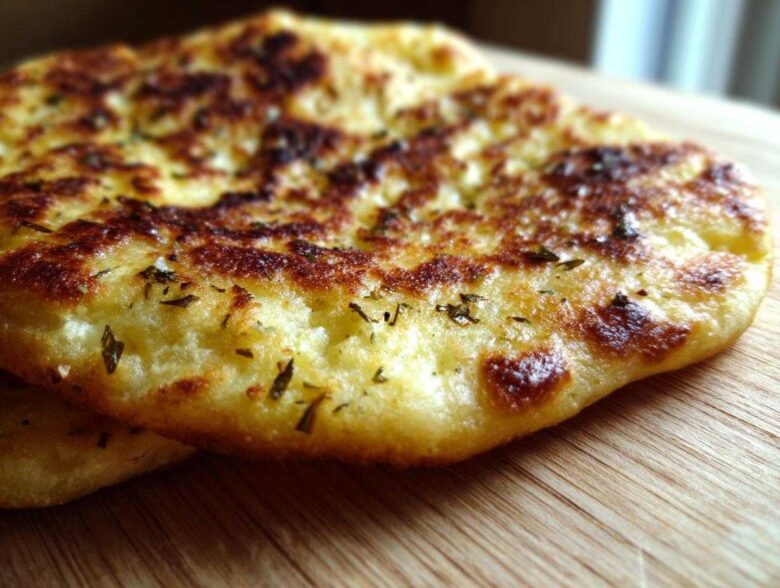
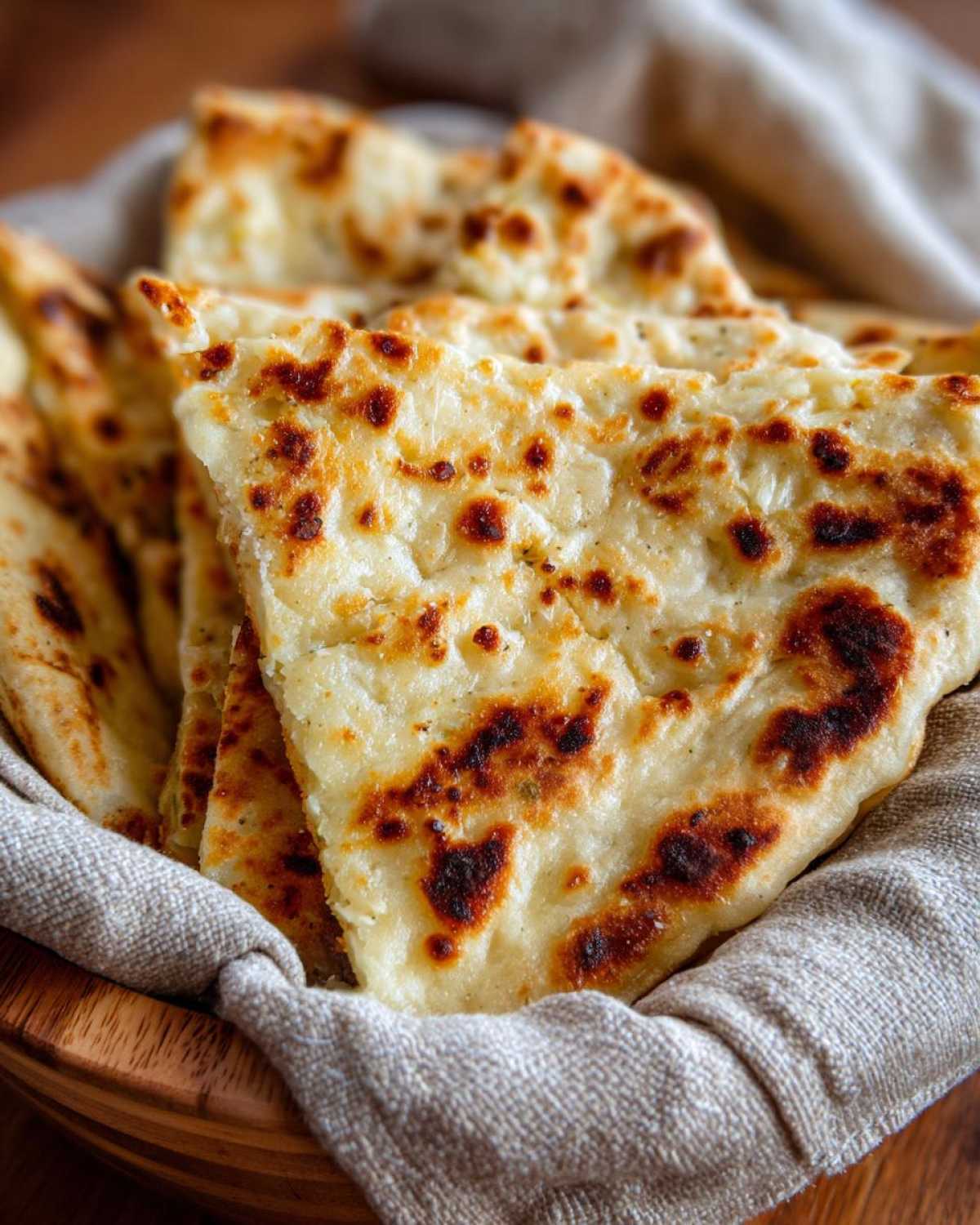
Oh, I know the struggle! If you’ve been keto for more than a week, you’ve probably tried three different “bread” recipes that came out like dry cardboard or crumbled the second you looked at them funny. Well, friends, put down those dense, sad loaves. I finally cracked the code, and I’m so excited to share my secret weapon: this incredibly soft, perfectly foldable, **garlic keto flatbread**. This isn’t some fussy, hours-long bake! We’re using simple almond flour and a quick mix, and you’ll have a pan skillet masterpiece ready in under 20 minutes. Trust me, I’ve wasted perfectly good eggs on keto breads that were impossible to wrap anything in. This one? It bends. It flips. It tastes wonderfully of garlic. It just works!
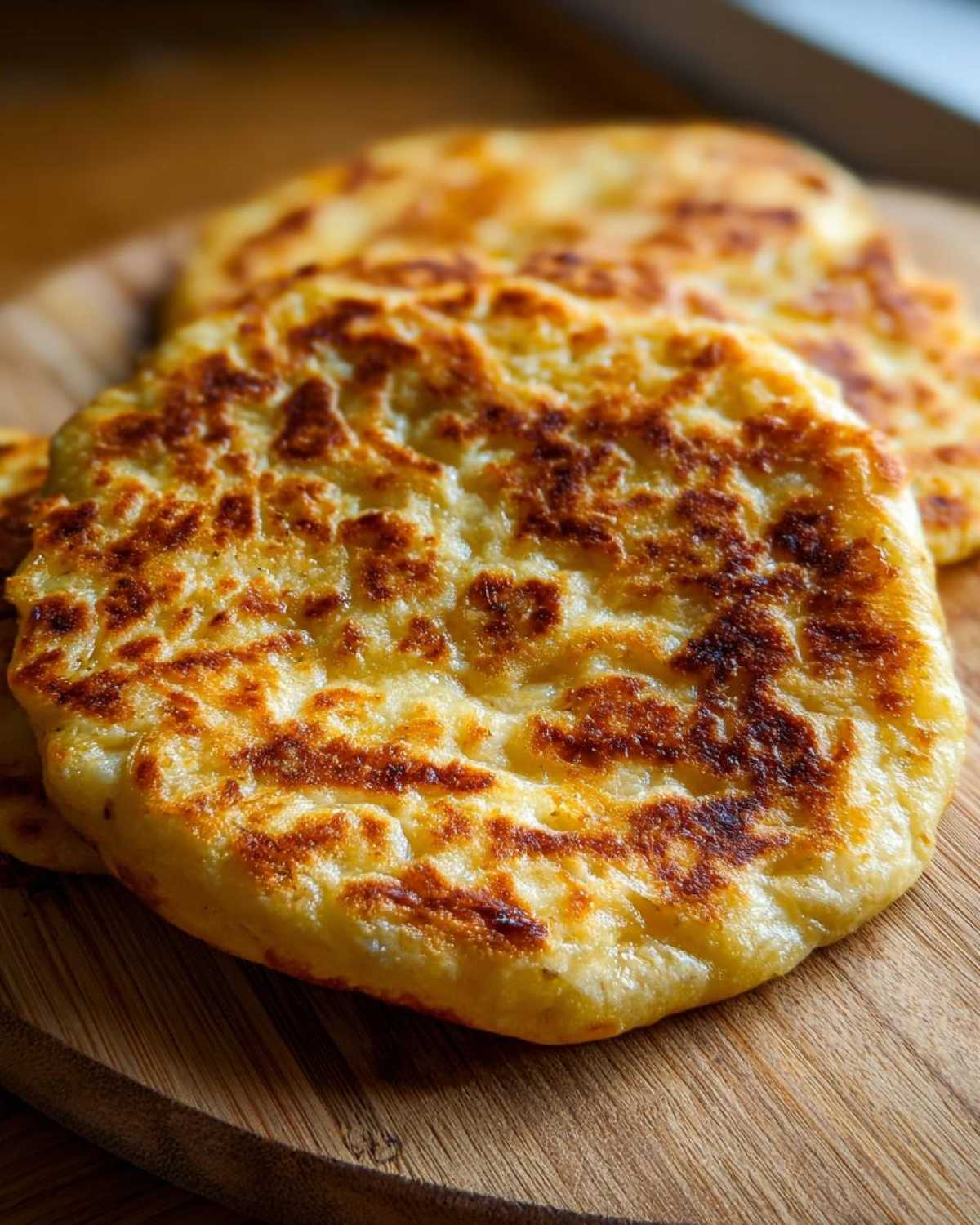
Why You Need This Quick Garlic Keto Flatbread
Honestly, this recipe changed my entire keto routine. I can whip these up faster than I can decide what sad lunch meat I’m going to try and wrap in lettuce leaves again! You need this simple, little piece of bread in your life because it solves all those common low-carb baking nightmares.
- Shockingly Fast: We’re talking five minutes prep and less than ten minutes on the stove. This is a true quick keto recipe. If you need a wrap alternative right now, this is it!
- Seriously Foldable Texture: This is the big one. These flatbreads soften up beautifully off the heat. You can fold them in half without them cracking right down the middle. Perfect for a keto sandwich bread substitute!
- Flavor Bomb: We aren’t skimping on the seasoning here. The garlic powder brings that warm, savory punch you miss when you cut out regular bread. Hello, dipper bread!
- Versatile Base: I use these for everything from quick lunchtime protein wraps to serving alongside a big bowl of stew. They work perfectly as a gluten free flatbread base for pizza sauce, too.
For more of my tried-and-true kitchen shortcuts and favorite low-carb finds, you can always check out what I’m cooking up over on my main blog page!
Essential Ingredients for Perfect Garlic Keto Flatbread
Okay, ingredients matter for keto bread, but luckily, we’re sticking to pantry staples here. You only need seven things to get this going, and they all play a specific role in achieving that soft, bendy texture we love. Don’t try to eyeball these measurements; precision is key for this almond flour flatbread!
- 1 cup almond flour (the fine stuff, not almond meal!)
- 1 large egg
- 2 tablespoons softened cream cheese (this is non-negotiable – take it out way ahead of time!)
- 1 teaspoon garlic powder (make sure it’s fresh!)
- 1/2 teaspoon baking powder
- 1/4 teaspoon salt
- 1 tablespoon melted butter or oil, plus more for cooking
Ingredient Notes and Substitutions for your keto flatbread
You might be looking at the list and wondering about swaps. Let’s talk about the base here. I always use almond flour for this recipe because coconut flour absorbs way too much moisture, and we’d end up with a very different, crumbly result. If you used coconut flour, this recipe would fail, trust me! The cream cheese provides essential fat and moisture for that lovely pliable texture. If you hate butter or are keeping things dairy-free, you can absolutely substitute avocado oil for the melted butter, even in the dough prep. Just make sure whatever fat you use is high quality since it really shines through in the flavor!
Step-by-Step Instructions for Pan Skillet Garlic Keto Flatbread
This is seriously fast, but you have to be quick on the stir! The dough comes together in about a minute, so make sure your pan is warming up while you mix. The goal here is always a soft dough that isn’t tacky, but not dry either.
- First, get everything dry into your mixing bowl—the almond flour, garlic powder, baking powder, and salt. Give it a quick whisk. Now add the wet ingredients: the egg, softened cream cheese, and melted butter. Mix it all up until it looks like a shaggy, soft dough. If it seems too runny or sticky, throw in a tiny sprinkle more of almond flour!
- Turn the dough out onto your counter. You only need to gently knead it a few times, maybe ten passes total, just until it smooths out a bit. Divide that dough right down the middle into two roughly equal balls.
- Here’s where the magic happens for a perfect wrap alternative. Take one ball and sandwich it between two sheets of parchment paper. Seriously, don’t skip the parchment! Roll it out thinner than you think you need to—aim for about 1/8 inch thick across the whole circle. Repeat with the second ball.
- Get your non-stick skillet going over medium heat. You want it warm enough to sizzle, but not so hot that it burns the bottom instantly. Add a tiny coating of butter or oil to the pan surface.
- Carefully peel off the top parchment layer and gently flip the dough into the hot skillet. After about 2 to 3 minutes, you should see little bubbles popping up everywhere, and the underside will be ready for its close-up!
- Flip that beauty over. Cook the second side for just another minute or two until you see those gorgeous golden spots appear. You want color, but not black! Pull it out and keep it warm while you cook the second one. It’s that easy!
Tips for Achieving the Best Low Carb Flatbread Texture
The cooking phase is the make-or-break moment when you’re trying to get that perfect pan skillet look. My biggest lesson learned? Heat management is everything, especially since this is a thin keto flatbread.
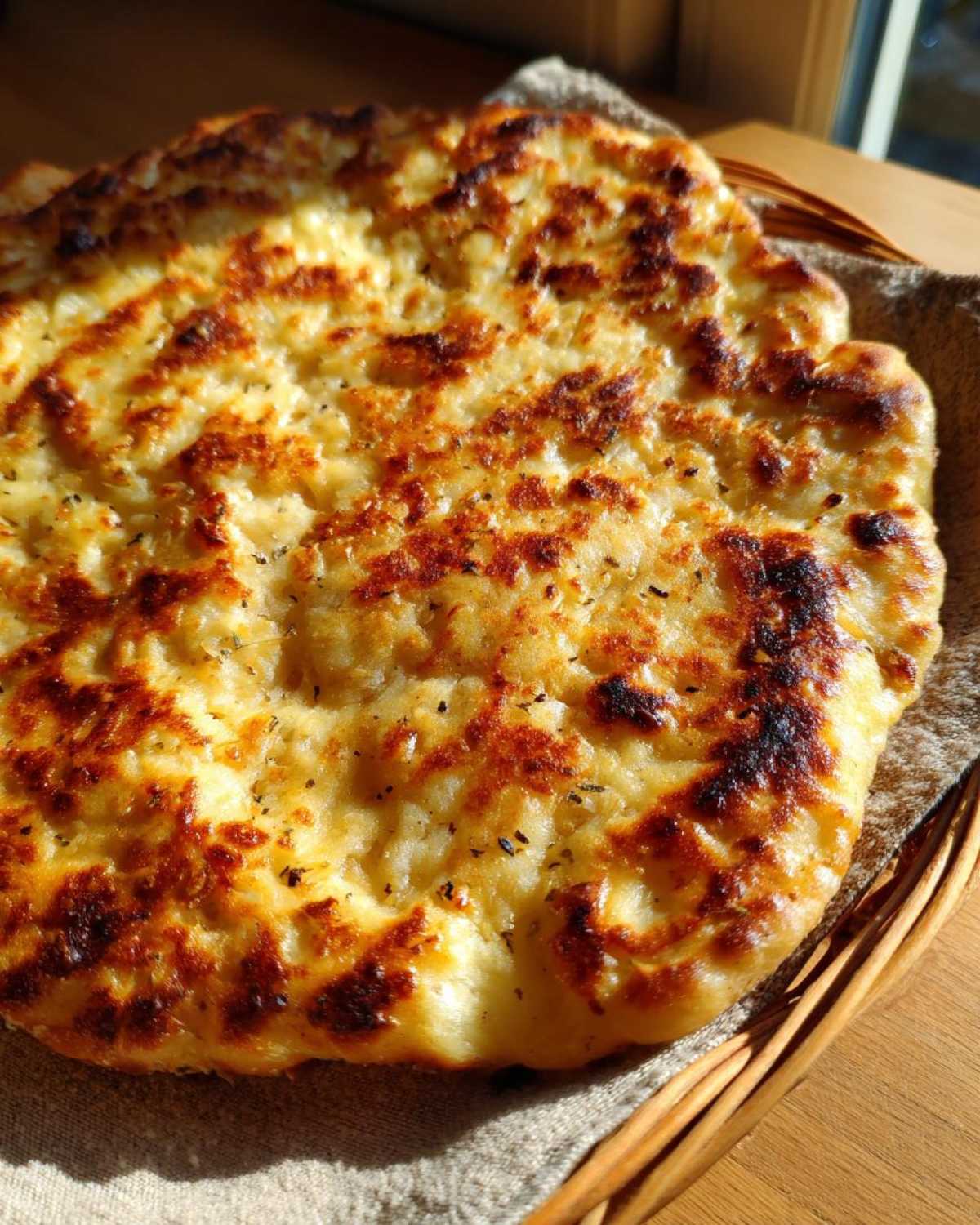
Always, always cook over medium heat. If your heat is too high, the outside will scorch and taste bitter before the middle cooks through, leaving you with a doughy center. We are looking for those beautiful, light golden-brown spots—that’s your visual confirmation that it’s done right!
When you flip it, watch for steam escaping evenly and the surface looking slightly dry. If it’s still puffy and raw-looking in the center after you flip it, dial your heat down just a hair and give it a moment longer. That gentle heat allows the moisture trapped inside to steam the dough, making it soft and pliable inside, not brittle like a cracker.
Expert Tips for Success with Your Almond Flour Flatbread
Look, making a true wrap alternative that holds together in a hot pan takes a little finesse, especially when you’re working with almond flour instead of regular wheat flour. I’ve learned these tricks the hard way over hundreds of failed attempts, so please listen to someone who has accidentally thrown sticky dough across the kitchen!
Here are my top non-negotiables for achieving that soft, foldable keto flatbread every single time. These tips are the difference between a great meal and a kitchen mess.
The 1/8th Inch Rule: Roll Thin or Go Home!
If you roll your dough thicker than about 1/8th of an inch, you’re going to end up with a puffy, slightly chewy disc rather than a flatbread perfect for wrapping. You need to use pressure and roll it out evenly across the whole surface. Because the dough balls are small (only half a recipe each), it takes a little patience, but trust me, thinness equals flexibility later on!
Handling Sticky Dough: The Flour Dusting Trick
Sometimes your cream cheese is too soft, or maybe your egg was huge. If your dough feels too sticky to handle even after that light knead, don’t just dump in more flour—that will dry it out instantly. Instead, lightly dust your hands and your rolling surface with a tiny, tiny bit of extra almond flour. Think dusting, not coating. This gives you just enough grip to finish rolling without adding density.
Transferring Without Tearing
This is the scariest part, right? You’ve got this beautiful, thin circle, and you’re afraid to pick it up. I totally get it! Rolling between parchment paper is the key to success. Once you roll it out thin, just lift the top sheet of parchment off, and then carefully peel the bottom sheet of parchment *with* the dough still on it, and simply lay the parchment *into* the hot pan. The dough will naturally release itself once it hits the heat. Wait 30 seconds, and then peel the parchment paper right off—it releases beautifully! If you want to see more of my kitchen philosophies and how I approach low-carb cooking, check out my About Me page!
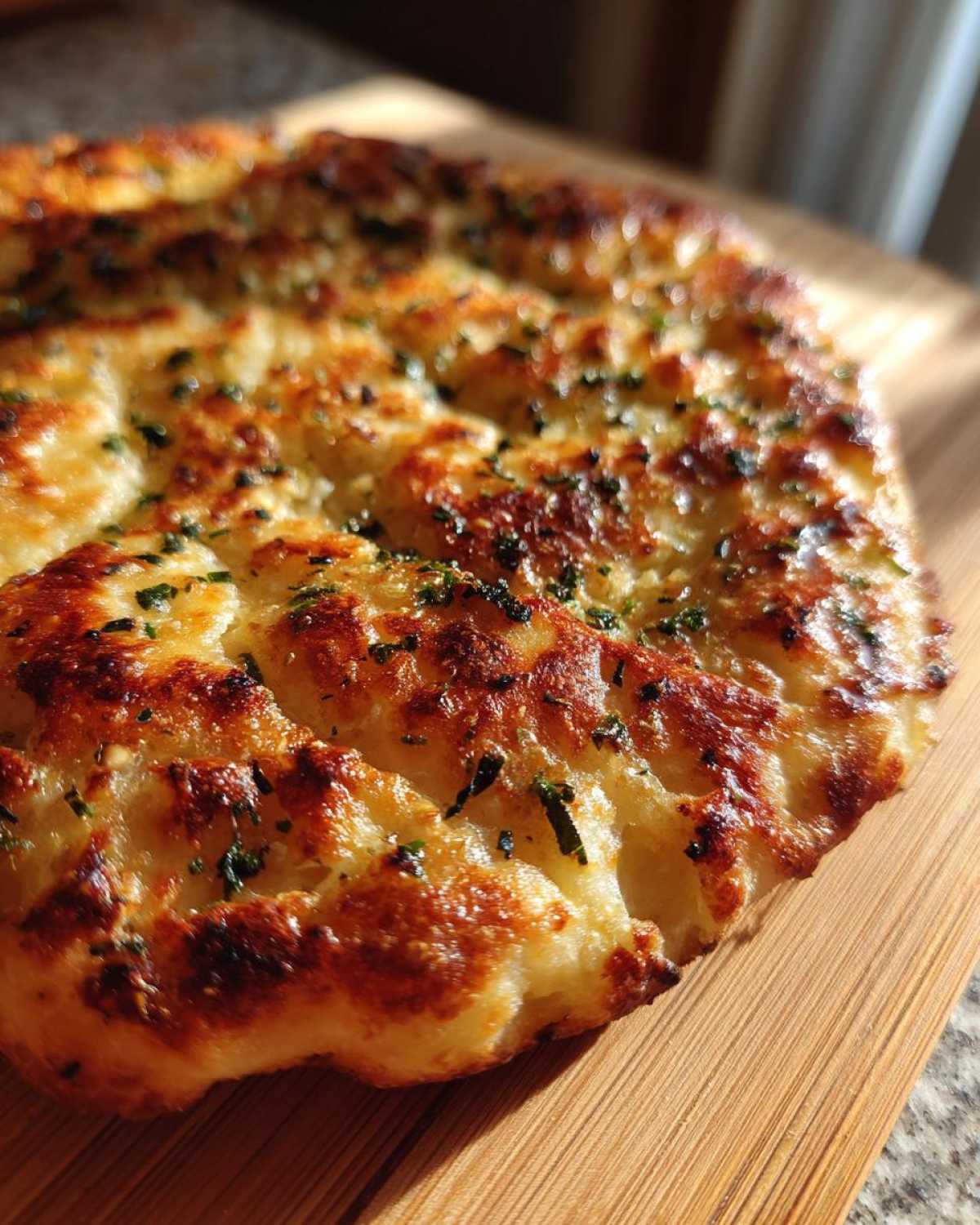
When in doubt, remember the goal here isn’t a crusty base; it’s a pliable wrapper. A little extra care in rolling and transferring pays off big time when you go to fill up your next keto sandwich!
Serving Suggestions for Your Garlic Keto Flatbread
Okay, now you’ve got these gorgeous, warm garlic flatbreads sitting on your counter. What do you do with them? This is where the fun really begins, because this bread isn’t just for toasting; it’s your new low-carb staple! Because they are so soft and sturdy, they replace those heavy wraps or boring lettuce cups we usually settle for.
The garlic flavor, combined with the buttery, slightly savory almond flour base, makes this bread practically sing next to rich, creamy foods. Forget tortillas—these are perfect for wrapping up your dinner protein.
We use them constantly for:
- Keto Shawarma Wraps: Pile on grilled chicken or steak strips, maybe a smear of low-carb mayo, onions, and lettuce. Because the bread stays flexible, it holds up to juicy fillings without collapsing.
- Quick Snack Wraps: Think cream cheese and turkey rolled up for a super fast afternoon snack. It feels like a proper meal!
- The Ultimate Dipper Bread: This is my favorite use! They are marvelous for scooping up rich dips. If you’re looking for the perfect accompaniment to those dips, you absolutely have to check out my recipe for the Mediterranean 7-Layer Dip. That creamy, tangy dip with this warm, garlicky bread? Heaven!
Seriously, don’t let these sit plain! They are amazing with homemade tzatziki or even just a good sugar-free ranch dressing. Keep a batch ready in the fridge, and suddenly, every meal feels a little more intentional and a lot less boring than lettuce wraps!
Storage and Reheating Instructions for Keto Flatbread
You’re going to get two servings out of this small batch, but sometimes I like to make a double batch because they freeze so well. If you don’t eat them all right off the skillet—and honestly, good luck with that, they smell amazing coming out of the pan—you need to know how to keep them soft. The enemy of any good keto bread is dry, hard edges, so we have to store them correctly.
If you plan to eat the rest within a day or two, just stack them on a plate and wrap the whole stack tightly in plastic wrap, then tuck that into a zip-top bag. Keeping the air out is key to locking in that moisture we worked so hard to create.
For long-term stashing? This almond flour dough freezes like a dream! Once they’ve cooled completely, you can wrap the two finished breads individually in plastic wrap, then slip them into a freezer bag. They’ll keep great in the freezer for up to three months. Seriously, you won’t be sorry you made extra!
How to Reheat for Maximum Softness
When you’re ready to bring them back to life, you have two paths, and I prefer the first one for the best texture.
The Best Way (Skillet Revival):
If you want this low carb flatbread to taste like it was just made, skip the microwave entirely! Place the cooled flatbread back into a dry, non-stick skillet over medium-low heat for about 45 seconds per side. This gentle heat revives the fats and moisture without drying them out further. You might even get a few fresh, tiny golden spots!
The Quick Way (Microwave):
If you are really in a rush and just need a quick wrap alternative immediately, you can use the microwave. But here’s the trick: wrap the flatbread (one at a time!) in a slightly damp paper towel. Microwave on medium power for about 15 to 20 seconds. The steam from the towel is what keeps it from turning hard, though the texture won’t be quite as perfect as the skillet method.
Either way, make sure they are hot when you use them! A warm wrap just feels so much more satisfying, doesn’t it?
Troubleshooting Common Garlic Keto Flatbread Issues
Even with the best recipes, sometimes things go slightly sideways in the kitchen, right? Don’t panic if your dough feels weird or if you end up with a sad, torn mess instead of a perfect circle. I’ve been there, wrestling with sticky almond flour mixes! The key is knowing how to correct the issue before you bake it. I promise, these small adjustments will save your low carb flatbread from becoming scrap for the birds!
If you run into trouble, check these common pitfalls first. We’re going to make sure you get that beautiful, foldable result for your wraps!
My Dough is Way Too Sticky to Handle
This happens if your cream cheese was too soft, or if your egg yolk was extra large that day. Sticky dough means you can’t roll it thinly, which ruins the final texture. Don’t scrap the whole batch!
My fix is simple: add more almond flour, but you have to be patient about it. Add just one teaspoon of almond flour at a time, kneading it in gently until the dough stops clinging aggressively to your hands. You want it tacky—like a Post-it note—but not outright wet. Remember, almond flour is what gives this bread its structure, but too much and it turns brittle, so go slow!
My Flatbread Tearing When I Try to Flip It
Oh, the heartbreak of a tear halfway through cooking! This almost always comes down to rolling it too thin, or trying to scoop it up without support. If you’ve rolled it to that perfect 1/8th inch and it’s still too delicate, try this:
Next time, roll it just a hair thicker, maybe to 3/16ths of an inch if you’re nervous about transferring it. Also, remember my parchment paper trick! If you roll the dough on parchment, you can actually just lower the parchment right into the hot pan, let it cook for 30 seconds, and then carefully peel the parchment away. This prevents any handling errors and keeps your bread in one gorgeous piece!
The Edges Are Burning Before the Center Cooks
If you’re seeing black edges and the middle still looks pale and doughy, your heat is too high. This is classic when working with such a thin bread—the outside cooks instantly. You need to lower that burner setting!
Turn your heat down to medium-low. You want to hear a very gentle sizzle when the dough hits the pan, not a violent sputtering sound. This allows the heat to travel slowly inward, ensuring you get those lovely golden spots without scorching the perimeter. Patience here equals a perfectly cooked, soft keto flatbread!
Frequently Asked Questions About Gluten Free Flatbread
I know I’ve flooded you with details, but I haven’t forgotten those of you who still have questions floating around! It’s tough adopting a new recipe, especially when you’re trying to stick to Keto guidelines. These questions pop up all the time, so let’s knock them out right now so you can get back to mixing that delicious dough!
Is this keto flatbread truly foldable, or will it tear?
Yes, yes, and yes! This is the single biggest win for this recipe. If you follow the rolling instructions—aiming for that paper-thin 1/8 inch thickness—this almond flour flatbread is surprisingly pliable. The combination of the egg and the cream cheese gives it structure without making it rigid. It’s specifically designed to be a wrap alternative, unlike many cracker-like keto breads!
I’m out of almond flour. Can I substitute coconut flour to make this work?
Oh, sweetie, please don’t! This is where many people run into trouble with low carb flatbread. Coconut flour acts like a sponge, while almond flour acts more like a traditional flour. If you swap cup-for-cup, you’ll end up with something that resembles dust or jerky, not soft bread. If coconut flour is all you have, you need a completely different recipe that uses significantly less of it and much more liquid—so stick to the almond flour here for the best results!
Since this cooks so fast, does it count as a quick keto recipe for meal prep?
Absolutely, it’s one of my favorites for meal prepping! Including the five minutes of mixing time, the whole process for two flatbreads is about 13 minutes total. That’s faster than ordering takeout! You can easily double or triple the batch on Sunday, stack them separated by parchment paper, and have your wrap base ready for the entire week. That’s what I call winning at quick keto recipes!
What is the best way to turn this into a garlic flatbread, not just a plain one?
You lucky duck, we already added the garlic powder right into the dough, so you’ve nailed that part! But, if you want that classic, gooey, restaurant-style garlic flatbread flavor, wait until the bread comes *out* of the hot skillet. While it’s still piping hot, immediately brush the top surface with a mixture of melted butter infused with a tiny dash of garlic powder and maybe a sprinkle of dried parsley. The heat melts the butter right into every tiny hole, giving you amazing flavor!
If you have any other burning questions about substitutions or dietary needs, please don’t hesitate to shoot over a note through the contact form!
Nutritional Estimates for This Garlic Keto Flatbread
Since we’re trying to keep things strictly low carb and watch our macros, I always measure things out right because keto bread can sneak in calories easily. Keep in mind, these estimates are based on just one of the two flatbreads made from the full recipe, assuming you use standard butter.
These numbers are here to help you budget your day, but remember, handmade food always varies a little based on exact ingredient size!
- Serving Size: 1 flatbread
- Calories: 250
- Fat: 20g
- Saturated Fat: 7g
- Carbohydrates (Total): 6g
- Fiber: 2g
- Net Carbs: 4g (That’s the good stuff!)
- Protein: 10g
- Sugar: Just 1g!
See? That’s a fantastic macro profile for something that tastes this decadent. It keeps our carb count low while packing in satisfying fat and protein to keep us full!
PrintQuick Garlic Keto Flatbread

Make soft, foldable keto flatbread seasoned with garlic, perfect for wraps or dipping. This recipe uses almond flour and cooks quickly in a skillet.
- Prep Time: 5 min
- Cook Time: 8 min
- Total Time: 13 min
- Yield: 2 servings
- Category: Bread
- Method: Skillet Cooking
- Cuisine: General
- Diet: Low Fat
Ingredients
- 1 cup almond flour
- 1 large egg
- 2 tablespoons cream cheese, softened
- 1 teaspoon garlic powder
- 1/2 teaspoon baking powder
- 1/4 teaspoon salt
- 1 tablespoon melted butter or oil, plus more for cooking
Instructions
- Combine the almond flour, egg, softened cream cheese, garlic powder, baking powder, and salt in a bowl. Mix until a soft dough forms.
- Knead the dough briefly on a clean surface until smooth. Divide the dough into 2 equal portions.
- Place one dough portion between two sheets of parchment paper. Roll it out thinly into a circle or oval shape, about 1/8 inch thick. Repeat with the second portion.
- Heat a non-stick skillet over medium heat. Add a small amount of melted butter or oil to coat the pan.
- Carefully place one rolled flatbread into the hot skillet. Cook for 2 to 3 minutes until bubbles form and the bottom is golden brown.
- Flip the flatbread and cook the second side for another 1 to 2 minutes until golden spots appear.
- Remove from the skillet and keep warm. Repeat with the remaining flatbread.
Notes
- For extra flavor, brush the cooked flatbread with melted garlic butter before serving.
- Use this bread for low-carb wraps, shawarma, or with dips like hummus or tzatziki.
- If the dough is too sticky, add a small amount of extra almond flour.
Nutrition
- Serving Size: 1 flatbread
- Calories: 250
- Sugar: 1
- Sodium: 300
- Fat: 20
- Saturated Fat: 7
- Unsaturated Fat: 13
- Trans Fat: 0
- Carbohydrates: 6
- Fiber: 2
- Protein: 10
- Cholesterol: 100