

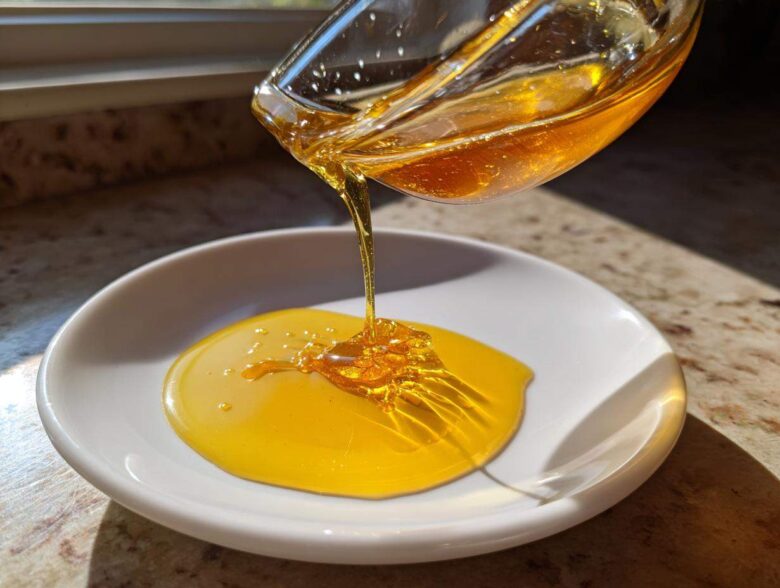
When the first little yellow heads pop up in my yard, I practically race outside! There’s just something magical about wild foods, isn’t there? We’ve all been looking for ways to cut back on processed sugars, and I used to think that meant sticking to boring old honey. But trust me, you can transform something totally free—and totally beautiful—into the most flavorful liquid gold you’ve ever tasted. This entire guide is built around getting you the *best* batch of Dandelion Honey Syrup for Natural Sweetness. I’ve been wildcrafting these flowers for years now, starting with my dad who showed me which ones were safe, and I finally nailed the perfect, flavorful infusion right here.
Why You Will Love This Dandelion Honey Syrup for Natural Sweetness
Honestly, this syrup is such a winner! It’s the perfect way to use up abundant spring blooms instead of letting them go to waste. You get that gorgeous golden color and subtle, almost floral sweetness. Plus, making your own Dandelion Honey Syrup for Natural Sweetness makes you feel incredibly resourceful.
- It’s incredibly simple—just flowers, water, and sugar/honey!
- It provides a truly unique, delicate floral flavor that white sugar just can’t match.
- You get to enjoy a taste of spring all year long, no matter the season.
Foraging and Preparing Pesticide Free Dandelion Preparation for Dandelion Honey Syrup for Natural Sweetness
Okay, before we even think about cooking, we have to talk sourcing. This is crucial because we are making Dandelion Honey Syrup for Natural Sweetness from wild plants. You absolutely cannot just grab the first patch you see! I only harvest dandelions from the back corner of my property where the lawn chemicals never reach. Think far away from busy roads, sidewalk edges, or anyone else’s lawn. We want pure, clean blooms.
Remember that rinsing step? It’s non-negotiable for any Foraging for Edible Flowers Syrup project. Give those yellow heads a gentle swish in cool water to wash off any dirt or tiny hitchhikers. If you’re worried about sprays, check out my tips on creating a sustainable grocery list—the principles are the same: know where your food comes from!
Crucial Step: Separating Yellow Petals from the Green Base
This is the secret handshake that keeps your syrup tasting like sunshine instead of lawn clippings. You *must* remove the green base, or the calyx, right below the yellow petals. That green part gets mushy and bitter when you cook it down, and nobody wants a bitter floral syrup! I sit down with a big bowl and just patiently pinch off the yellow bits. It takes a minute, but trust me, it’s worth the effort for a sweet result.
Ingredients for Your Homemade Dandelion Syrup Recipe
The ingredient list for this flower syrup is wonderfully short, which is why it tastes so purely like springtime. You’re going to need exactly four cups of those beautiful, separated yellow flower heads. Don’t skimp on packing them in—we want maximum flavor!
I pair those with an equal amount of water, so four cups. For sweetness, you can choose between four cups of standard granulated sugar or four cups of raw honey; that choice really impacts the final texture. And finally, grab one lemon, sliced nicely, because citrus really brightens up the floral notes. If you need inspiration on pairing bright flavors, check out my spring soup ideas for inspiration!
Simple Flower Syrup Instructions: Making Dandelion Honey Syrup for Natural Sweetness
Alright, put on your favorite apron because now we turn those fluffy yellow petals into liquid gold! This recipe for Dandelion Honey Syrup for Natural Sweetness is about slow infusion. We aren’t rushing the flowers here; we want them to give up all their subtle, sunny flavor before anything else happens. Don’t freak out if you don’t have a non-reactive pot—any heavy-bottomed stainless steel one will work just fine. If you are looking for a good savory base to contrast this sweetness later, check out my recipe for simple seared yellowfin tuna!
Steeping and Straining the Dandelion Infusion
First things first, take those cleaned, de-green-ed blossoms and toss them into your pot along with the four cups of filtered water. Get this mixture up to a gentle simmer over medium heat. Remember what I said about not boiling things hard? Keep it low, cover it up, and let it steep for about 30 minutes. But here’s my expert tip for the absolute best flavor: pull it off the heat, leave the lid on, and just let it sit there until it’s totally cool—or even better, let it steep overnight in the fridge! That extra time makes a huge difference.
When you’re ready to move on, you need to strain that liquid really well. I line my fine-mesh sieve with cheesecloth and pour the whole thing through. Make sure you press down on those mushy flowers gently to squeeze out every last drip. You’ll discard the solids, but that resulting tea is the heart of your syrup.
Simmering to Achieve Syrup Consistency
Now we add the sweetener! Pour that strained liquid back into a clean saucepan. Add your sugar or honey, and the lemon slices. Heat it up over medium heat, stirring like crazy until everything dissolves. Once it starts to bubble—just a gentle boil—turn the heat right back down. You’ll simmer this for about 15 to 25 minutes. You’re looking for that perfect coating consistency, where it sticks just a little bit to the back of a spoon. If any ugly foam pops up on top, just skim it off with a regular spoon—it cleans up the look!
Once it’s coated nicely, fish out those lemon slices. Then, very carefully, pour the hot Dandelion Honey Syrup for Natural Sweetness into your prepared, sterilized jars. You’re almost there!
Ingredient Notes and Substitutions for Dandelion Flower Syrup Tutorial
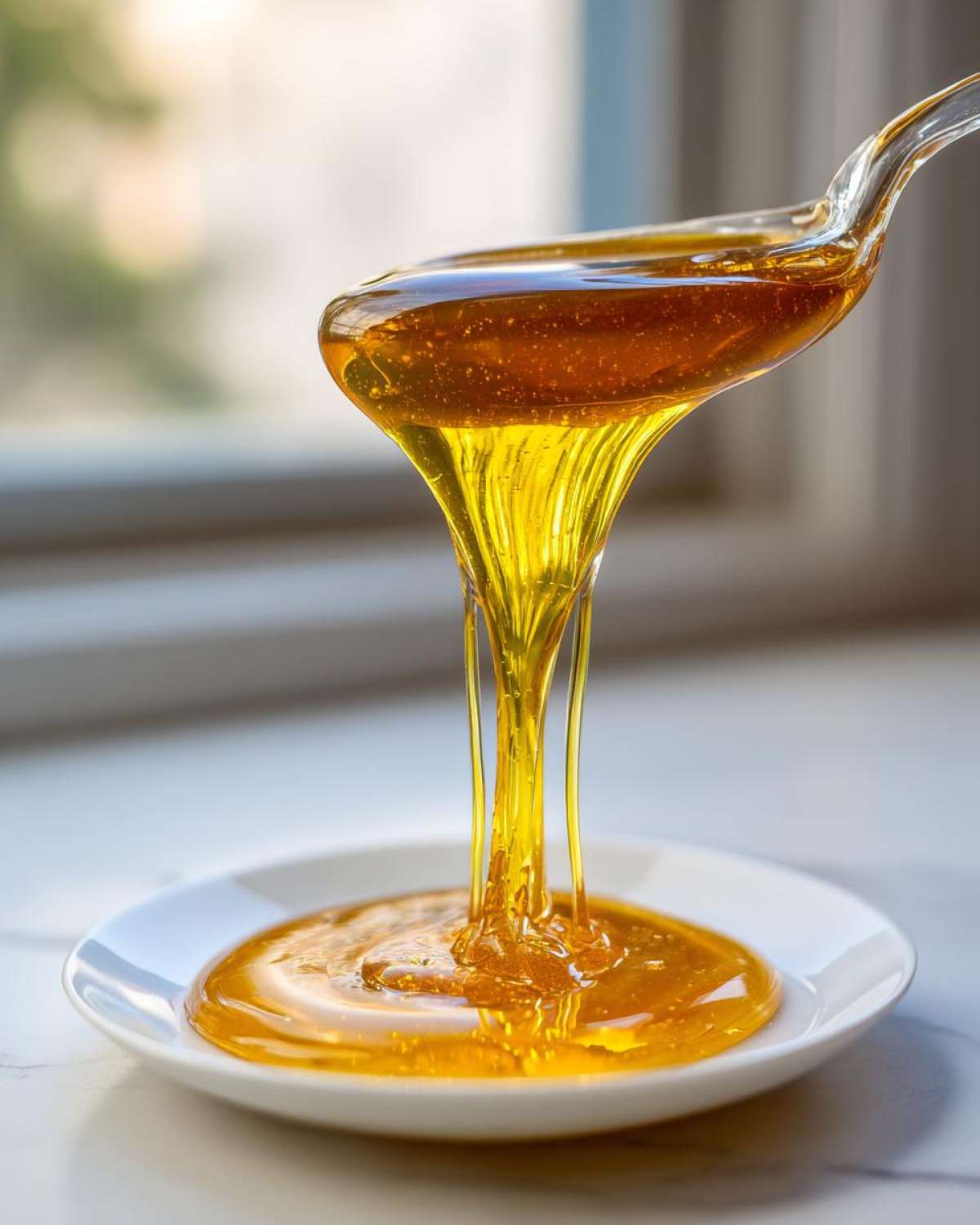
People always ask me about the sugar versus honey decision when making Dandelion Honey Syrup for Natural Sweetness. It really depends on what you want the final product to be! If you use granulated sugar, you end up with a true syrup, sweet and thick, perfect for baking or pouring over waffles. But if you use honey, you’re essentially making a Dandelion-Infused Honey Substitute.
That’s one of the best parts of this Dandelion Flower Syrup Tutorial—it’s adaptable! If you go the honey route, the flavor gets even richer and deeper, almost like a special treat sweetener. If you’re looking for other ways to sweeten things up naturally, you absolutely have to try my homemade lavender lemonade sometime; the floral notes pair so well!
Best Uses for Dandelion Syrup: A Natural Sweetener from Flowers
Now that you have this gorgeous, golden liquid, what on earth do you do with it? That’s the fun part! This Natural Sweetener from Flowers is incredibly versatile. My first go-to use is simple: warming up my morning tea. A spoonful of this instead of plain sugar completely changes the flavor profile, making it feel like a special ritual, not just a caffeine fix.
It’s also fantastic drizzled over pancakes or waffles—way better than boring maple syrup if you want something different! For the afternoon, try mixing a splash into sparkling water or using it as the sweetener in a homemade iced tea. I even use it in cocktail bases, especially gin or vodka drinks that need a light floral touch alongside citrus. If you’re making brunch, I totally recommend using it as a fun syrup addition to your next mimosa bar setup for a unique flavor!
Storage and Shelf Stability for Your Dandelion Honey Syrup for Natural Sweetness
We’ve done all the hard work mixing, simmering, and tasting, so let’s make sure your beautiful Dandelion Honey Syrup for Natural Sweetness lasts! You have two main choices here, depending on how quickly you plan to use it up. If you made a small batch and want to use it within a couple of weeks, just let it cool completely and store it tightly sealed in the fridge. It’s easy!
But if you want to keep this liquid gold around all year—say, until next spring’s harvest—you need to process those jars. Pour the hot syrup into sterilized jars, leaving a little bit of space at the top, and seal them tight. Then, you run them through a boiling water bath for 10 minutes. That seals them up perfectly! For more tips on preserving jams and syrups, take a peek at my guide on freezer jam preservation; the canning principles are similar.
Frequently Asked Questions About Making Syrup with Dandelion Blooms
I get so many questions whenever I post about this recipe online. It’s totally understandable; foraging and using flowers in cooking still feels a little bit like magic! Most people are worried about bitterness or yield, so let’s tackle those common snags in this little Q&A section.
Does this taste exactly like real honey?
That’s a fair question! No, it doesn’t taste *exactly* like standard clover or wildflower honey, but it is a fantastic substitute, especially if you’re avoiding honey for dietary reasons or just love unique flavors. Because we are using Simple Syrup Instructions, the base is neutral, but the infusion from the petals gives it a lovely, gentle floral note. It’s subtle, delicious, and totally unique.
How long does homemade dandelion syrup last?
This depends entirely on how you store it! If you sealed the jars using the boiling water bath method I mentioned, they should be shelf-stable for up to a year if kept in a cool, dark place. If you just filled a jar and popped it in the fridge—which is what I usually do because I use it fast—you can expect it to stay fresh for about three to four weeks. For longer storage without canning, check out my guide on my pantry storage philosophy.
Why is my syrup slightly bitter even after removing the green parts?
Oh, that’s often due to the simmering stage! If you boil the syrup too hard or for too long, it can caramelize unevenly or pull too much bitter element out of the flowers, even the tiny green bits you missed. Remember, we want a gentle simmer so the thickness occurs slowly. If it’s still too bitter, try using less of the flower heads next time, or add another half cup of sugar to balance it out.
Can I substitute wildflower honey instead of sugar?
Yes, absolutely! That’s what makes this recipe such a great example of Wildcrafting Sweet Syrup Ideas. If you use wildflower honey, you are really leaning into that infused honey flavor profile. Just remember that honey is sweeter and thicker than granulated sugar, so you might need a tiny splash more water during the initial brew, or your final simmer time might be slightly shorter.
Tips for Success with Your Dandelion Honey Syrup for Natural Sweetness
You’ve got the process down, but let me share a couple of little secrets I learned through trial and error to make your Dandelion Honey Syrup for Natural Sweetness absolutely perfect every single time. First, the freshness of the bloom matters! Use flowers picked the same morning if you can; they hold the most vibrant flavor.
Second, if your syrup tastes a bit flat, don’t panic! A tiny squeeze of fresh lemon juice stirred in *after* you turn off the heat usually brightens everything up nicely. Finally, if you want that signature thick texture found in high-quality preserves, let it cool completely before tasting the final consistency—it thickens up significantly as it rests.
PrintDandelion Flower Honey Syrup for Natural Sweetness
Make a natural sweetener by infusing dandelion flower heads into a simple syrup base. This recipe yields a flavorful syrup substitute for honey.
- Prep Time: 30 min
- Cook Time: 45 min
- Total Time: 1 hour 15 min
- Yield: About 4 cups
- Category: Condiment
- Method: Simmering
- Cuisine: General
- Diet: Vegetarian
Ingredients
- 4 cups packed dandelion flower heads (pesticide-free)
- 4 cups filtered water
- 4 cups granulated sugar or raw honey
- 1 lemon, sliced
Instructions
- Gather dandelion flower heads from an area free of chemical sprays. Rinse the flower heads gently in cool water to remove dirt and insects.
- Place the rinsed flower heads and the filtered water in a non-reactive pot. Bring the mixture to a gentle simmer over medium heat.
- Reduce the heat to low, cover the pot, and let it steep for 30 minutes. Do not boil rapidly.
- Remove the pot from the heat and let the mixture cool completely, about 2 hours, or allow it to steep overnight for stronger flavor.
- Strain the liquid through a fine-mesh sieve lined with cheesecloth into a clean saucepan. Press gently on the flowers to extract all liquid. Discard the solids.
- Add the sugar or honey and the lemon slices to the strained liquid.
- Heat the mixture over medium heat, stirring until the sugar or honey is fully dissolved.
- Bring the syrup to a slow boil, then reduce the heat and simmer gently for 15 to 25 minutes, or until the syrup coats the back of a spoon. Skim off any foam that rises to the surface.
- Remove the lemon slices. Pour the hot syrup into sterilized jars, leaving a small headspace.
- Seal the jars tightly and process in a boiling water bath for 10 minutes for shelf stability, or cool and store in the refrigerator for immediate use.
Notes
- Use only the yellow petals and discard the green base (calyx) as it can make the syrup bitter.
- For a stronger flavor, increase the steeping time before simmering.
- If you use honey instead of sugar, the final product will be closer to a dandelion-infused honey.
Nutrition
- Serving Size: 2 Tbsp
- Calories: 100
- Sugar: 25g
- Sodium: 1mg
- Fat: 0g
- Saturated Fat: 0g
- Unsaturated Fat: 0g
- Trans Fat: 0g
- Carbohydrates: 25g
- Fiber: 0g
- Protein: 0g
- Cholesterol: 0mg