

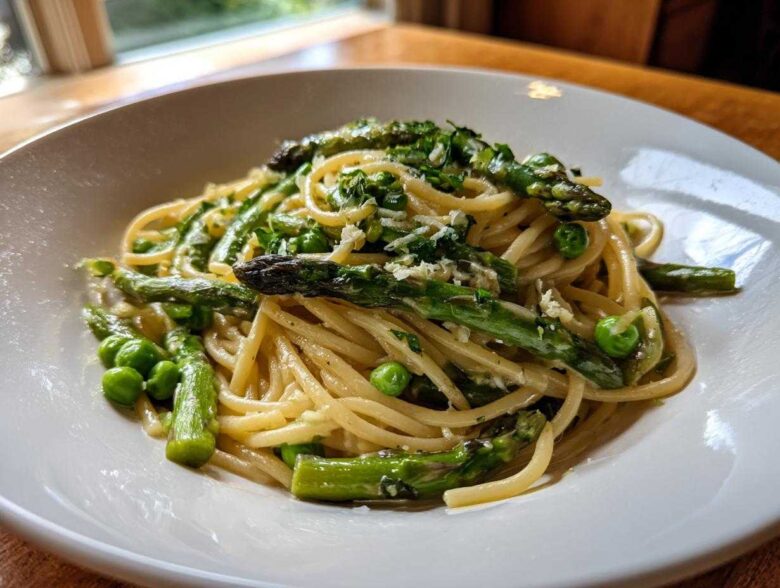
Oh my gosh, when those first bright green vegetables pop up at the market, you just know it’s time to put away the heavy winter sauces! I swear, there’s nothing that screams fresh like using up all that beautiful, tender spring produce. If you only make one pasta dish this entire season, make it this one. I’m handing you the absolute best, go-to recipe for Spring Pasta with Garlic and Olive Oil. Forget complicated steps; the magic here relies on using just a handful of high-quality ingredients, letting that perfect, slow-toasted garlic lead the flavor parade. Trust me, this simple preparation tastes like a vacation and comes together faster than ordering a pizza. You can see more of my seasonal adventures over on my main blog page, but honestly, this recipe is one of my year-round favorites!
Why You’ll Love This Easy Spring Pasta with Garlic and Olive Oil
Honestly, I keep coming back to this recipe because it checks every single box for a perfect light meal. It’s my go-to for those evenings when I want something absolutely delicious but don’t want to spend ages fussing over the stove. Here are the main reasons why this simple dish always earns a spot on our table:
- It’s lightning fast! Seriously, if you need a genuine Weeknight spring meal idea, this is it—ready in about 25 minutes total.
- The flavor profile is pure spring goodness. We’re talking bright, zingy lemon mixed with sweet peas and tender asparagus. It really tastes like sunshine in a bowl!
- This is one of those fantastic Spring pasta recipes easy to scale up or down, perfect whether it’s just for you or for company.
- It’s incredibly light. Since we skip the cream altogether, this feels refreshing and not heavy at all, making it perfect for warmer evenings.
- The base is the famous *aglio e olio* method, so you know the simple pairing of fresh garlic and good olive oil is going to sing.
Gathering Ingredients for Spring Pasta with Garlic and Olive Oil
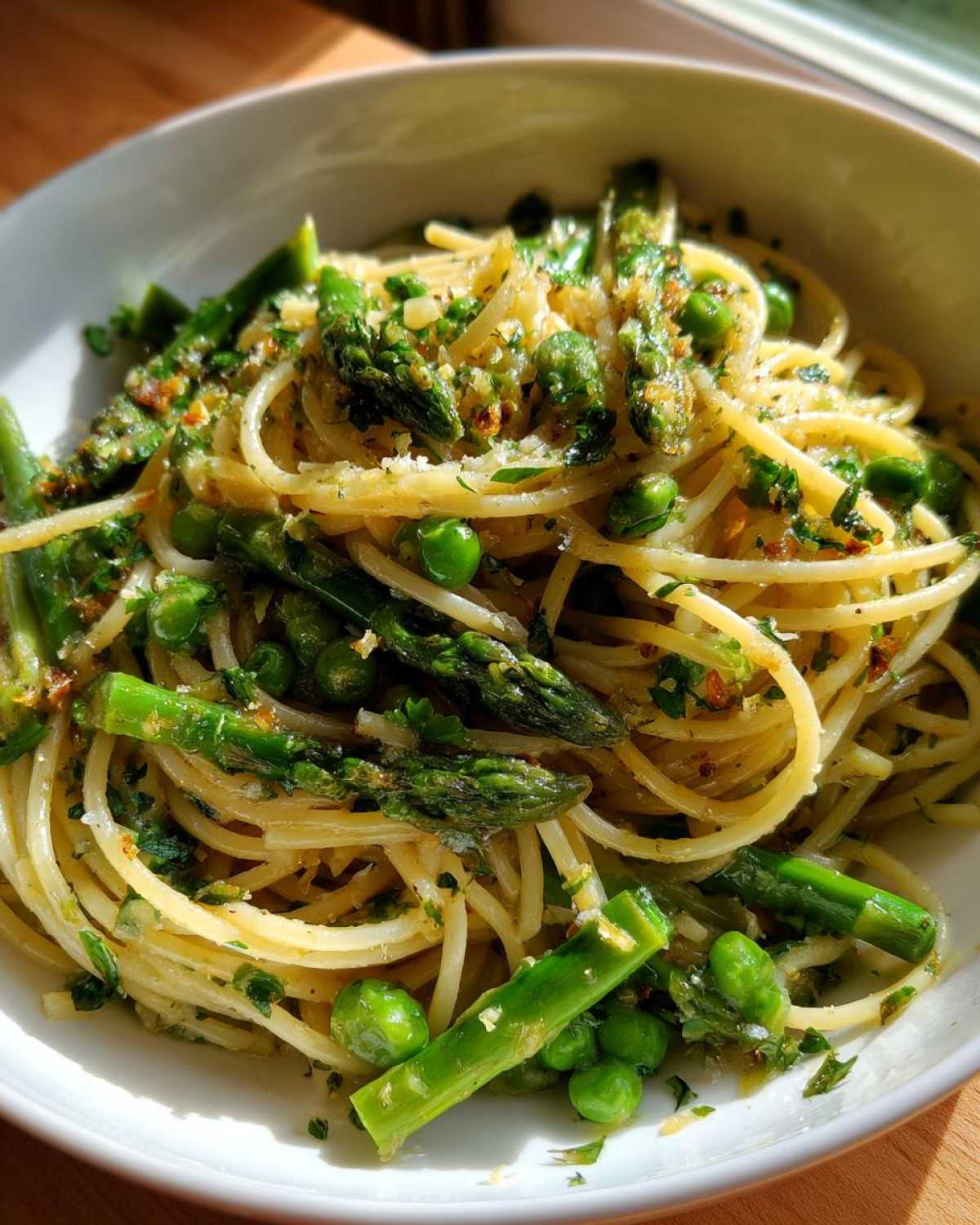
Since this recipe is practically built on just five main components, the quality of what you buy matters so much! Don’t skimp on your oil here; this is where the flavor lives. You’ll need 12 ounces of spaghetti or linguine—whatever long shape you have on hand works great. Then we load up on spring goodness: a bunch of asparagus, trimmed and chopped, and about a cup of either fresh or frozen peas. For the base, we need six cloves of garlic, sliced thin, and a generous half cup of extra virgin olive oil. Don’t forget the brightness from a whole lemon (zest and juice!) and some fresh parsley for color. If you want that nice cheese finish, have about a quarter cup of Parmesan ready. If you want the full story on my kitchen essentials, check out my About Us page!
Ingredient Notes and Substitutions for Your Spring Pasta with Garlic and Olive Oil
Listen, because this is technically an *aglio e olio* variation, your olive oil choice sets the tone. You absolutely must use a high-quality Extra Virgin Olive Oil that you love the taste of on its own. If your oil tastes grassy or sharp, so will your sauce. Don’t use the cheap stuff you typically cook scrambled eggs with!
When it comes to your vegetables, feel free to play! If you can’t find good asparagus, those tiny artichoke hearts work beautifully, or even some fresh snap peas instead of shelling peas. Just make sure you blanch everything first so it’s tender-crisp when it hits that warm garlic oil. Also, if you’re skipping the Parmesan, a little squeeze of Dijon mustard mixed in at the end gives you a similar punch of flavor without dairy.
Step-by-Step Guide to Making Spring Pasta with Garlic and Olive Oil
Okay, here’s the part where we turn those beautiful ingredients into magic. This whole process moves fast once the pasta is cooking, so make sure you have your veggies chopped and ready to go before you even boil the water. As I always say, preparation is half the battle when you’re aiming for a Quick asparagus pasta recipe like this one!
Cooking the Pasta and Preparing the Vegetables
First things first, get that water boiling and cook your spaghetti or linguine until it’s perfectly al dente—firm to the bite! Before you even think about hitting the colander, I need you to scoop out at least one cup of that starchy, cloudy pasta water. Seriously important stuff! While it’s boiling, drop your chopped asparagus into the water for just two minutes. Then, toss in your peas for the very last minute of that blanching time. They only need a quick dip to warm up and become vibrant. Drain them right away and set them aside while you assemble the flavor base.
Creating the Garlicky Light Pasta Sauce Base
Now for the crucial step that separates the good oil sauces from the *great* ones! Grab your biggest skillet, put it over medium-low heat, and pour in your half-cup of quality olive oil. Add those thin slices of garlic. This is key: you want the garlic to gently sizzle and slowly turn pale gold, releasing its perfume into the oil. This should take maybe four or five minutes. If it browns too fast and turns dark brown, you’ve burned it, and it will taste bitter! Pull the pan off the heat immediately if you see any dark edges forming. Remember, we want toasted, not fried!
Bringing Together Your Pasta with Fresh Spring Vegetables
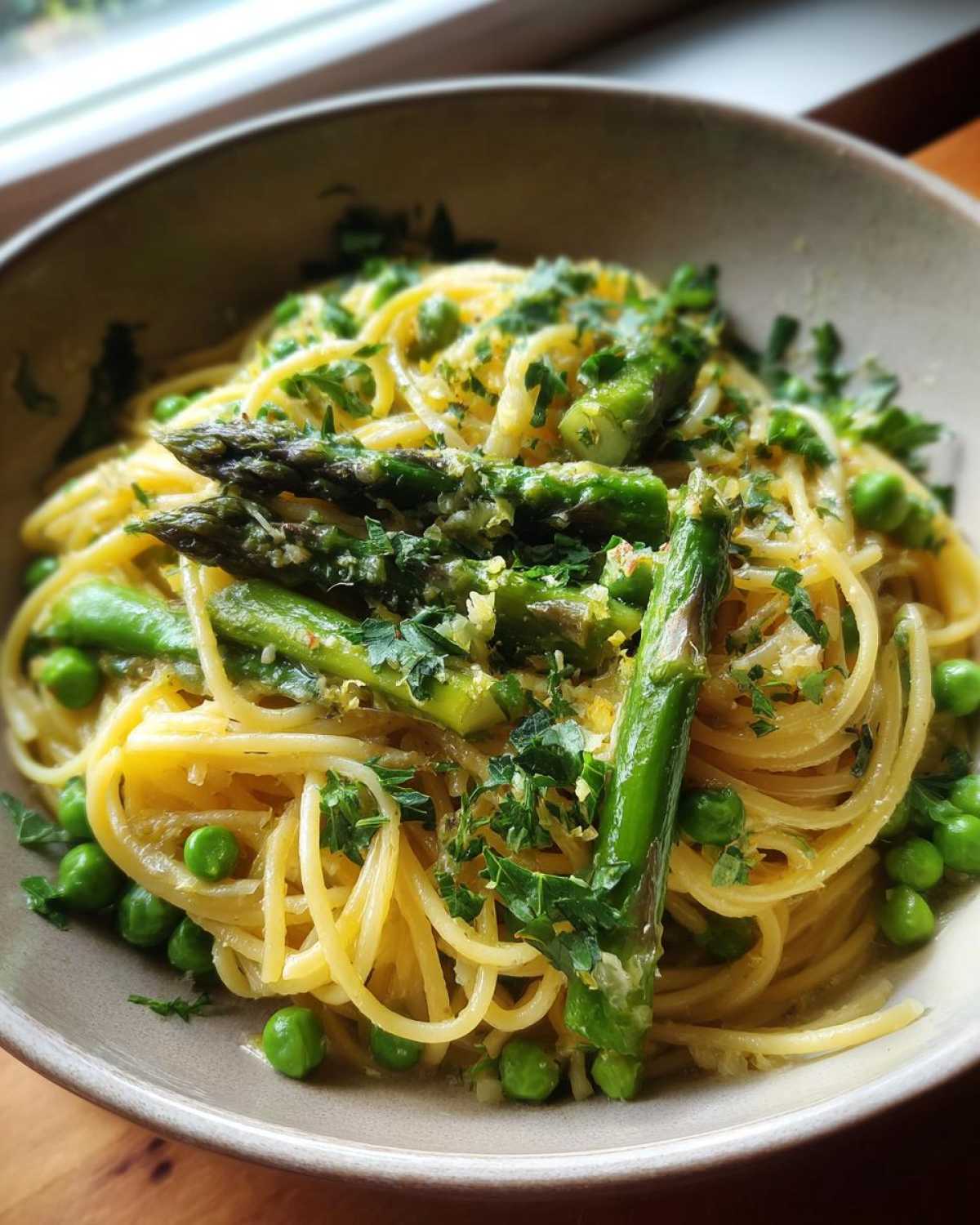
With the heat off, toss the drained pasta right into that skillet with the fragrant garlic oil. Dump in your blanched asparagus and peas. Drizzle in your fresh lemon juice and the zest—wow, that smell alone is something else! This is where the reserved pasta water comes in. Add it a little splash at a time while you toss everything vigorously. The starch in the water mixes with the oil to create a beautiful, creamy coating that clings perfectly to every strand of pasta. Stir in your fresh parsley and the optional Parmesan. Give it a good hit of salt and pepper, taste it, and adjust seasoning until it’s singing! You may want to check out some of my other weeknight favorites while you’re waiting for the water to boil next time!
Tips for Perfecting Your Spring Pasta with Garlic and Olive Oil
Even though this recipe is beautifully simple, tiny tweaks can take it from great to absolutely unforgettable. I spent years messing around with *aglio e olio* variations before I settled on this perfect balance. Here are the little bits of wisdom I picked up along the way to make sure your Spring Pasta with Garlic and Olive Oil shines through every time.
First off, let’s talk about that lemon zest. You need to zest the lemon *before* you juice it—I’m sure you know that, but I’ve seen people panic later! The zest has all those bright, aromatic oils, and they need to hit the warm olive oil right toward the end along with the juice. If you add the zest too early while toasting the garlic, it can taste bitter, and we want maximum freshness!
Secondly, if you like a little warmth (and who doesn’t?), don’t rely on standard black pepper alone. When you’re toasting the garlic, throw in a pinch—just a tiny pinch—of red pepper flakes with it. This allows the oil to infuse that spicy heat gently. Just make sure you watch it closely! That heat can easily translate into bitterness if the flakes start to brown, which means pulling the pan off the heat right away.
My third tip, and this is crucial for texture, involves the pasta water finish. When you’re tossing everything in the pan, you need to add that starchy water slowly while stirring like mad. You’re not making soup; you are making an emulsion! Keep tossing until the liquid looks creamy and coats the pasta strands evenly instead of pooling sadly at the bottom of the skillet. If it looks too dry, add another splash. If it looks too watery, keep tossing over barely any heat until it tightens up. This technique is what makes this whole dish feel luxurious without using any heavy cream.
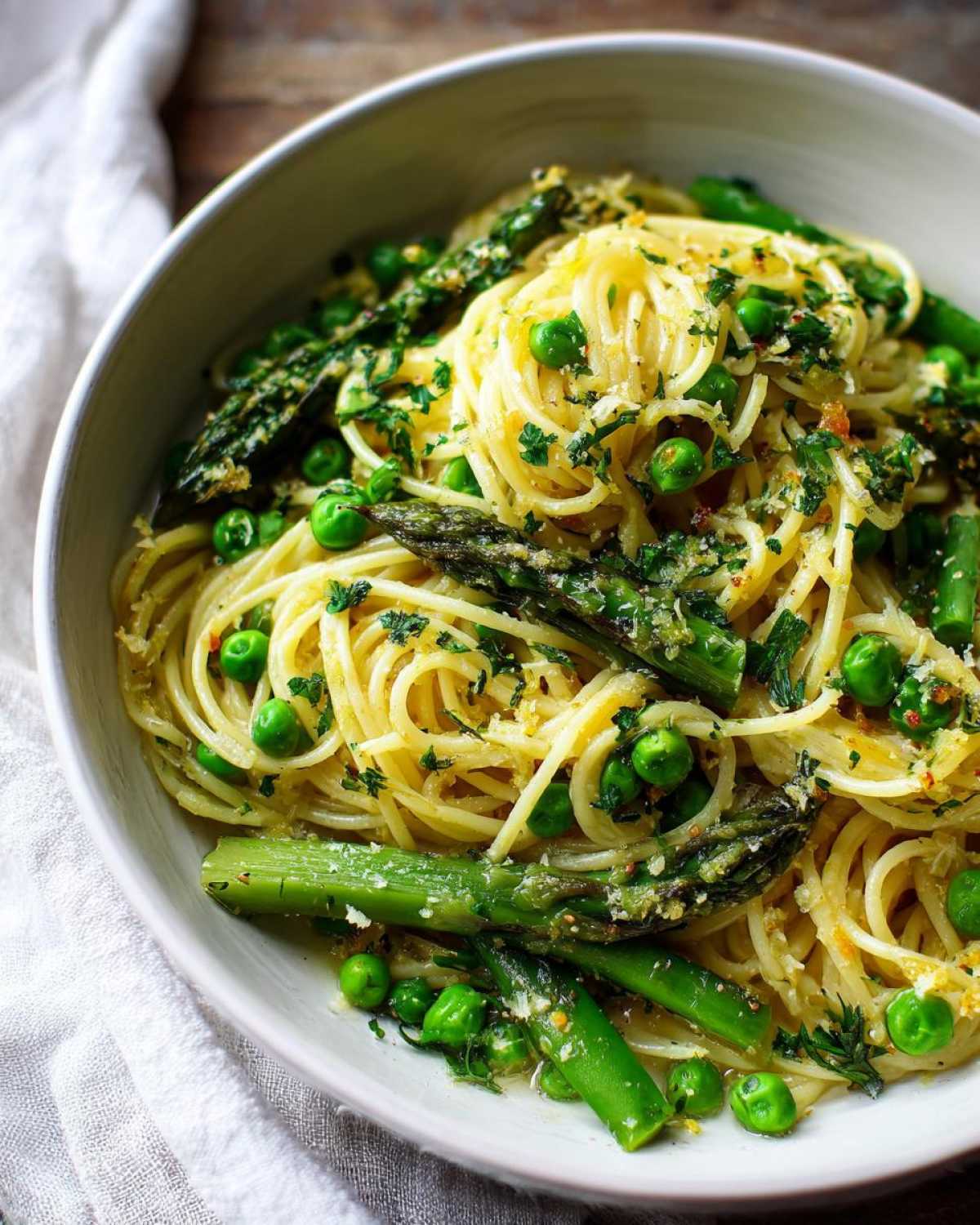
Finally, don’t forget the finish! A big handful of fresh herbs—parsley, basil, maybe even a tiny bit of chives—added *off* the heat right before serving tastes so much better than herbs that have cooked down. You can check out more of my easy lunch ideas over at my lunch category if you’re planning ahead for the week!
Serving Suggestions for Garlic and Olive Oil Pasta Fresh
Because this Garlic and Olive Oil Pasta Fresh is so wonderfully light and vibrant, you want your side dishes to match that energy! We aren’t bringing heavy steak or chunky lasagna to this party; we’re keeping things bright and uncomplicated. This is exactly the kind of meal that begs for a terrific side of something green.
The absolute best pairing, in my book, is a simple green salad. Think torn butter lettuce or crisp arugula, tossed with just a squeeze of lemon juice and maybe a drizzle of that same beautiful olive oil you used for the pasta. Skip anything heavy like creamy dressings—we want the pasta to be the star!
If you’re looking to make this a fuller dinner, especially if you’re aiming for a Light pasta primavera style experience, adding a simple protein is easy. Grilled halloumi cheese adds a salty, satisfying bite that works perfectly with the lemon. Alternatively, some quickly grilled shrimp tossed right into the pasta at the end is divine. When I serve this, I often have a few slices of crusty sourdough bread nearby just for soaking up every last delicious drop of that garlic-infused oil left in the bowl. Seriously, don’t let that good stuff go to waste!
If you want a recipe that uses some of those fresh greens in a slightly different way, you have to check out my recipe for Avocado Toast with Green Poached Eggs and Prosciutto. It captures that same springtime fresh feeling!
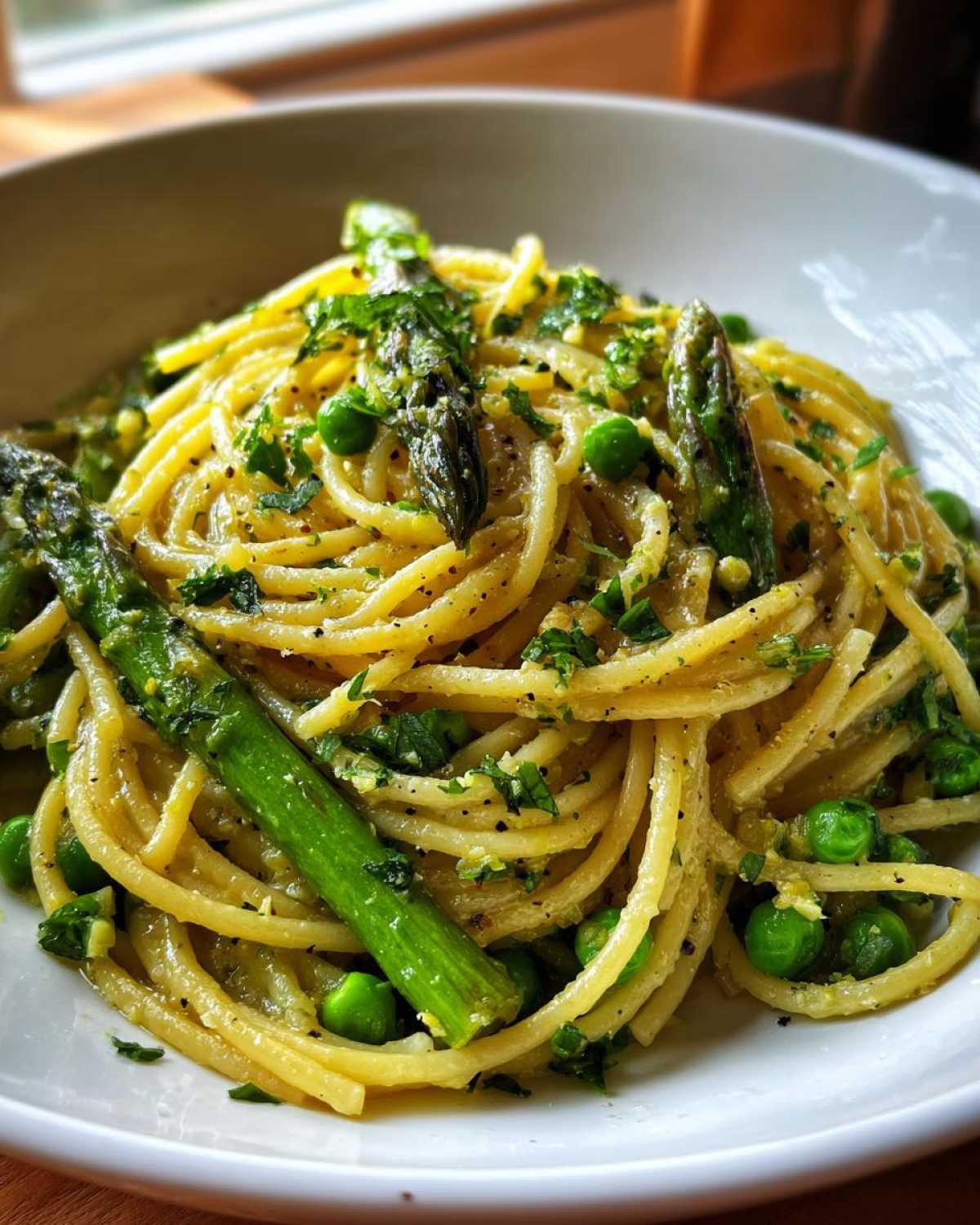
Storage and Reheating Your Spring Pasta with Garlic and Olive Oil
Okay, I have to be honest with you: this Spring Pasta with Garlic and Olive Oil truly sings when it’s completely fresh. The vegetables are at their crispest, and that oil-lemon coating is perfectly emulsified. However, life happens, and sometimes we have leftovers! Luckily, it stores wonderfully, but you need to know the trick to waking it back up.
When you’re ready to pack it away, let the pasta cool down a bit before putting it into an airtight container. You can safely store the leftovers in the fridge for about three days. Sticking it in the fridge means the olive oil and the pasta starch are going to separate—that’s just chemistry, don’t panic! When you take it out later, it might look a little dry or the oil might be solidifying; that’s totally normal for a Garlic and olive oil pasta fresh preparation like this.
To revive it, the secret weapon is hot liquid! Place your serving in a microwave-safe bowl and add just a tablespoon or two of fresh water—or even better, a splash of that good olive oil you love. Heat it in short bursts, stirring well after each burst. That hot water or oil helps emulsify the sauce again, making it coat the pasta nicely and bringing back that silky texture you loved the first time around. You don’t want to dump in too much liquid at once, or you’ll end up with soupy pasta instead of a lovely coating!
If you think you might have leftovers, make sure to save a little of that starchy pasta water during the cooking process specifically for reheating later. It’s liquid gold for reviving oil-based sauces, much better than plain tap water!
Frequently Asked Questions About Pasta Aglio e Olio Variations
I always get so many great questions when people try making my Spring Pasta with Garlic and Olive Oil for the first time! Since we are working with minimal ingredients, people naturally wonder about swapping things out or adding heartier components. So, here are some of the things I hear most often when folks are preparing this dish.
Can I make this a No Cream Spring Pasta dish?
Yes, absolutely! That’s one of the best parts about this recipe—it’s naturally cream-free. When people ask how we make such a luxurious coating without any heavy dairy, I point them right back to cooking technique! The body of this sauce comes entirely from the starch we wash off the pasta when we reserve that cooking water. That starchy water, mixed vigorously with the olive oil and lemon juice, creates a beautiful, light coating that perfectly clings to the spaghetti. You get all the richness of a traditional sauce but with zero heaviness, making it the perfect example of a truly healthy spring dinner idea pasta!
Can I add protein to this simple pea and lemon pasta?
Oh, you definitely can! While I love this dish as a pure vegetarian option, it pairs incredibly well with lean protein. If you want to keep it light, I recommend grilling or pan-searing some shrimp quickly. You can toss the cooked shrimp right in with the pasta and vegetables in the final step. Chicken breast, diced and sautéed separately until golden, is also fantastic. Or, if you want to stick with something vegetarian but heartier, a handful of toasted pine nuts sprinkled over the top really adds a nice protein and texture crunch to your garlic and olive oil pasta fresh plate!
What if I don’t have fresh peas or asparagus available?
Don’t let seasonal limitations stop you! This is where creativity comes in with pasta using fresh spring produce. If fresh peas aren’t around, frozen peas are totally fine—and they cook even faster! If asparagus is missing, I highly suggest using thinly sliced zucchini that you blanch for just a minute or two. You could also use shredded zucchini blooms if you can find them, or even broccoli florets, though you’ll need to steam those for a bit longer than the asparagus to get them tender crisp.
Is this dish too garlicky, or rich?
That’s a fair question, especially when you see six cloves of garlic listed! But remember, we are cooking that garlic *slowly* over low heat until it’s golden and fragrant, almost sweet—we aren’t microwaving it or burning it into bitterness. The oil infuses deeply with that mellow garlic flavor, but because we are balancing it with so much bright lemon juice and fresh herbs, the overall effect is surprisingly bright, not heavy or overwhelming. It’s a savory dish, yes, but definitely not rich in the belly-stuffing way. It remains truly light!
If you found yourself enjoying this recipe and want to explore more of my kitchen happenings, feel free to reach out via my contact page. I love hearing from you all!
What is a good quick bread to serve alongside this pasta?
Since this is one of my favorite weeknight meal ideas, I always keep the sides simple, too. You absolutely need something to soak up that incredible garlic-lemon-oil base! My first choice is always a store-bought baguette, sliced, drizzled with a tiny bit more of that good olive oil, and toasted quickly under the broiler until golden brown. If you have 10 extra minutes, whipping up a quick batch of focaccia works, too. But honestly, a good, sturdy sourdough loaf works nearly as well straight from the bag. Just tear off chunks and enjoy!
Estimated Nutritional Snapshot for This Seasonal Pasta Recipe Spring
I always try to keep a general idea of what’s in our food, even when we are keeping things simple! Since we are dealing with a smaller number of ingredients, it’s easier to track. Please keep in mind that these numbers are rough estimates based on the standard amounts used in the recipe, especially how much oil you absorb using your pasta. This gives you a good idea for planning your other meals throughout the week!
- Serving Size: 1/4 of recipe
- Calories: About 550
- Total Fat: Roughly 25g (most of this is the healthy unsaturated fat from the olive oil!)
- Carbohydrates: Around 70g
- Protein: About 18g
See? That’s a fantastic balance for a satisfying but quick dinner. It proves you don’t need heavy sauces to feel full and content after eating a delicious meal!
Share Your Experience Making This Dish
Alright, my friends, it’s time for you to weigh in! I’ve given you all my secrets for the best Spring pasta recipes easy to pull off, and now I want to know what you think. Did you stick strictly to the asparagus and peas, or did you throw in some spinach or arugula? Did you use feta instead of Parmesan? I absolutely love seeing your kitchen creations!
Please leave a rating below—five stars if you loved the simplicity! And if you snapped a picture of your vibrant green pasta, share it on social media and tag me! It truly makes my day to see these recipes living in your kitchens. Don’t forget to check out the latest updates about my kitchen experiments and policies over on the privacy policy page!
PrintLemony Spring Asparagus and Pea Pasta with Toasted Garlic
A light and fresh pasta dish featuring seasonal asparagus and peas tossed in a simple sauce of olive oil, fresh lemon, and toasted garlic.
- Prep Time: 10 min
- Cook Time: 15 min
- Total Time: 25 min
- Yield: 4 servings
- Category: Dinner
- Method: Stovetop
- Cuisine: Italian Inspired
- Diet: Vegetarian
Ingredients
- 12 oz spaghetti or linguine
- 1 bunch asparagus, trimmed and cut into 1-inch pieces
- 1 cup fresh or frozen peas
- 6 cloves garlic, thinly sliced
- 1/2 cup extra virgin olive oil
- 1/4 cup fresh lemon juice
- Zest of 1 lemon
- 1/4 cup chopped fresh parsley
- 1/4 cup grated Parmesan cheese (optional)
- Salt and black pepper to taste
Instructions
- Cook the pasta according to package directions until al dente. Reserve 1 cup of the starchy pasta water before draining.
- While the pasta cooks, blanch the asparagus pieces in boiling water for 2 minutes, then add the peas for the last minute. Drain immediately and set aside.
- In a large skillet, heat the olive oil over medium-low heat. Add the sliced garlic and cook slowly until it is lightly golden brown and fragrant. Do not let the garlic burn.
- Remove the skillet from the heat. Add the drained pasta, blanched vegetables, lemon juice, and lemon zest to the skillet.
- Toss everything together. Add the reserved pasta water, a few tablespoons at a time, until a light sauce coats the pasta.
- Stir in the fresh parsley and Parmesan cheese, if using. Season generously with salt and pepper. Serve immediately.
Notes
- Use a high-quality extra virgin olive oil for the best flavor, as it is a main component of the sauce.
- If you prefer a spicier flavor, add a pinch of red pepper flakes when toasting the garlic.
- For extra brightness, add a few torn basil leaves with the parsley at the end.
Nutrition
- Serving Size: 1/4 of recipe
- Calories: 550
- Sugar: 4
- Sodium: 250
- Fat: 25
- Saturated Fat: 4
- Unsaturated Fat: 21
- Trans Fat: 0
- Carbohydrates: 70
- Fiber: 6
- Protein: 18
- Cholesterol: 5