

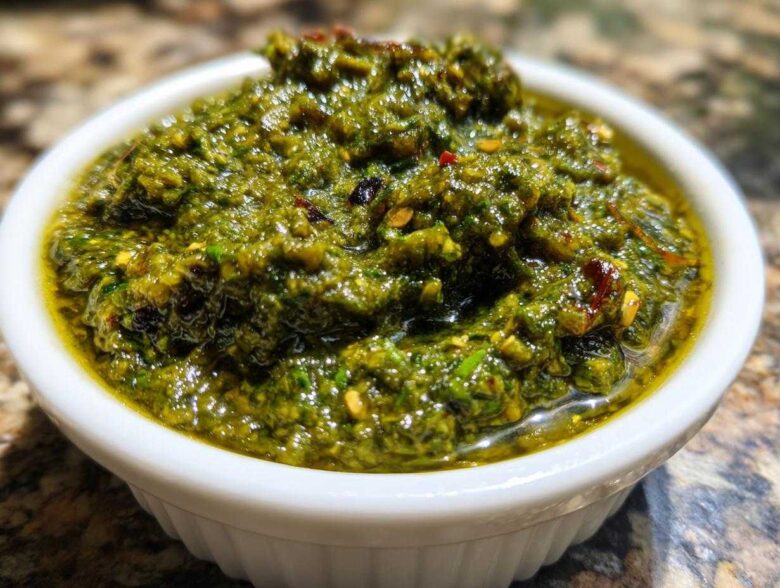
Oh my gosh, you guys, I had to share this because I finally cracked the code to making salsa that tastes exactly like the one that keeps you coming back for one more chip at your favorite Mexican restaurant. Forget those watery, overly bright green jars from the store; those just don’t cut it! This, my friends, is the definitive Authentic Salsa Verde Recipe, and the secret is simple: we roast everything until it’s smoky and soft. I spent literal years trying to get the flavors right for my weekly taco night, and when I finally started charring the tomatillos—that’s the *tatemada* style—it all clicked into place. Trust me, your tacos are about to get a major upgrade!
Why This is the Best Homemade Salsa Verde
If you’ve ever wondered why the salsa at those hole-in-the-wall legendary taquerias tastes so much better than anything you whip up at home, the answer is almost always the roasting. We aren’t just mixing raw ingredients here, no way! Roasting—or *tatemar*—is how we pull out those deep, almost meaty flavors from the tomatillos and the chiles. It concentrates the sugars and removes that harsh, acidic bite you sometimes get from using everything raw.
This technique is the heart of the Traditional Mexican Salsa Verde Recipe. If you skip it, you just have green mush, not magic! Seriously, this simple step is what officially elevates your game. Once you taste how much depth this method adds, you’ll realize why this is the only way to make the Best Homemade Salsa Verde. Check out my general tips on kitchen adventures over at my main blog page if you need inspiration!
Achieving Authentic Mexican Green Sauce Flavor
When you char the skins, you’re creating a beautiful kind of bitterness that balances the brightness of the lime. That dark, blistered skin we’re looking for is packed with smoky goodness.
Contrast that for a minute with using entirely raw tomatillos—it’s just sharp, tart, and thin. By fire-roasting them, we create an Authentic Mexican Green Sauce that has body and warmth. It’s the difference between a quick weeknight condiment and a sauce that tastes like it’s been simmering all day. That smoky depth is what makes people ask you for the recipe immediately!
Gathering Ingredients for Your Authentic Salsa Verde Recipe
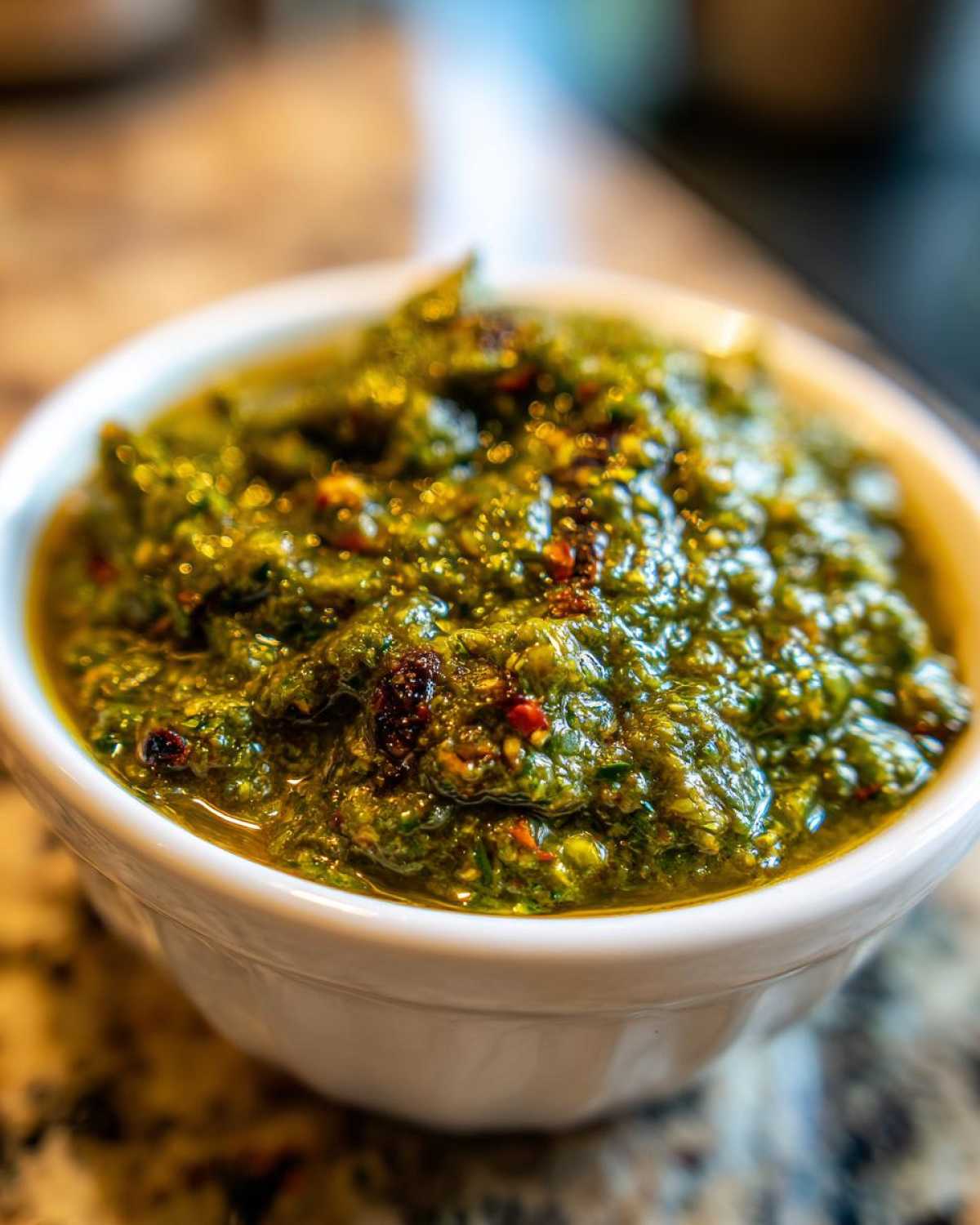
Okay, let’s talk ingredients because, believe it or not, the quality really matters here. You don’t need a million things, but the few we use must be great to get that Best Ingredients for Salsa Verde result. We are keeping this super clean, just how they do it down south. You’ll need about a pound of tomatillos—make sure you yank those papery husks off first and give the little green guys a good rinse!
Then comes the heat: I usually grab two jalapeños, but if you’re feeling brave, swap one out for a sneaky serrano pepper. Oh boy, that brings the fire! Don’t forget the good stuff: some chunky white onion, only two cloves of garlic (we’re roasting those whole, don’t worry about peeling them yet!), a big handful of fresh cilantro, and just a squeeze of lime juice at the end. That’s it! Simple, right?
Sourcing the Best Tomatillos and Chiles
When you’re shopping for tomatillos, give them a gentle squeeze; they should feel firm, not mushy. And check the husk—it should be snug around the fruit, not loose and dry. If the husks are practically falling off, maybe skip those ones. For the chiles, remember that serranos pack a punch, so when you’re going for that perfect heat level in your Authentic Salsa Verde Recipe, start small and taste as you go!
How to Roast Tomatillos for Salsa Verde
Alright, this is the make-or-break moment for hitting that deep, smoky flavor we’re after! We absolutely have to roast our ingredients to unlock what makes this the Best Homemade Salsa Verde. If you’ve never done this before, don’t sweat it; it’s way easier than it sounds. The goal is getting those skins black and blistered—that char is pure gold for flavor!
You can use a baking sheet and pop everything under the broiler, which gives you pretty even heat. But if you really want that traditional vibe and an extra layer of flavor, grab your comal or a heavy cast-iron skillet and put it right on the stovetop over medium-high heat. This method for How to Roast Tomatillos for Salsa really lets you control that contact charring.
Step-by-Step Roasting Instructions
First, toss your tomatillos, your whole jalapeños (stems removed, of course), and those unpeeled garlic cloves right onto the dry baking sheet or comal. Now, you watch! You need to turn everything frequently—maybe every couple of minutes—until the skins are totally blackened and looking sad and blistered, and the tomatillos feel soft when you nudge them, which usually takes about 8 to 10 minutes total. Don’t walk away, though; they burn fast!
When they’re done, carefully pull them off the heat. The garlic will be done slightly faster than the big tomatillos, so keep an eye on it. Once everything is cool enough to handle, those charred outer skins on the garlic just slip right off—it’s like magic! Don’t worry too much about making the tomatillos picture-perfect; a little char left on means more flavor going into your blender.
Instructions: How to Make Real Salsa Verde
Now for the grand finale where all that hard roasting work pays off! We’re assembling everything to create your ultimate Authentic Salsa Verde Recipe. You’ve got your blackened tomatillos, your soft roasted garlic (peeled now!), your raw onion pieces, cilantro, lime juice, and salt ready to go. Dump all of it into your blender or food processor. If you want a truly deep, Smoky Salsa Verde Recipe flavor, you can take those roasted chiles and give them a quick 60-second toss in a tiny bit of hot oil in a skillet—just enough to wake up those charred edges again before they hit the blades.
Pay attention here, because this controls the whole vibe! If you want that chunky, rustic salsa you scoop with a chip, you are going to pulse *briefly*. Seriously, like three quick pulses and stop. If you leave it running, you’ll end up with a thinner sauce for enchiladas, which is great, but not what we’re aiming for right now. If you want it smoother, blend it longer until it’s creamy!
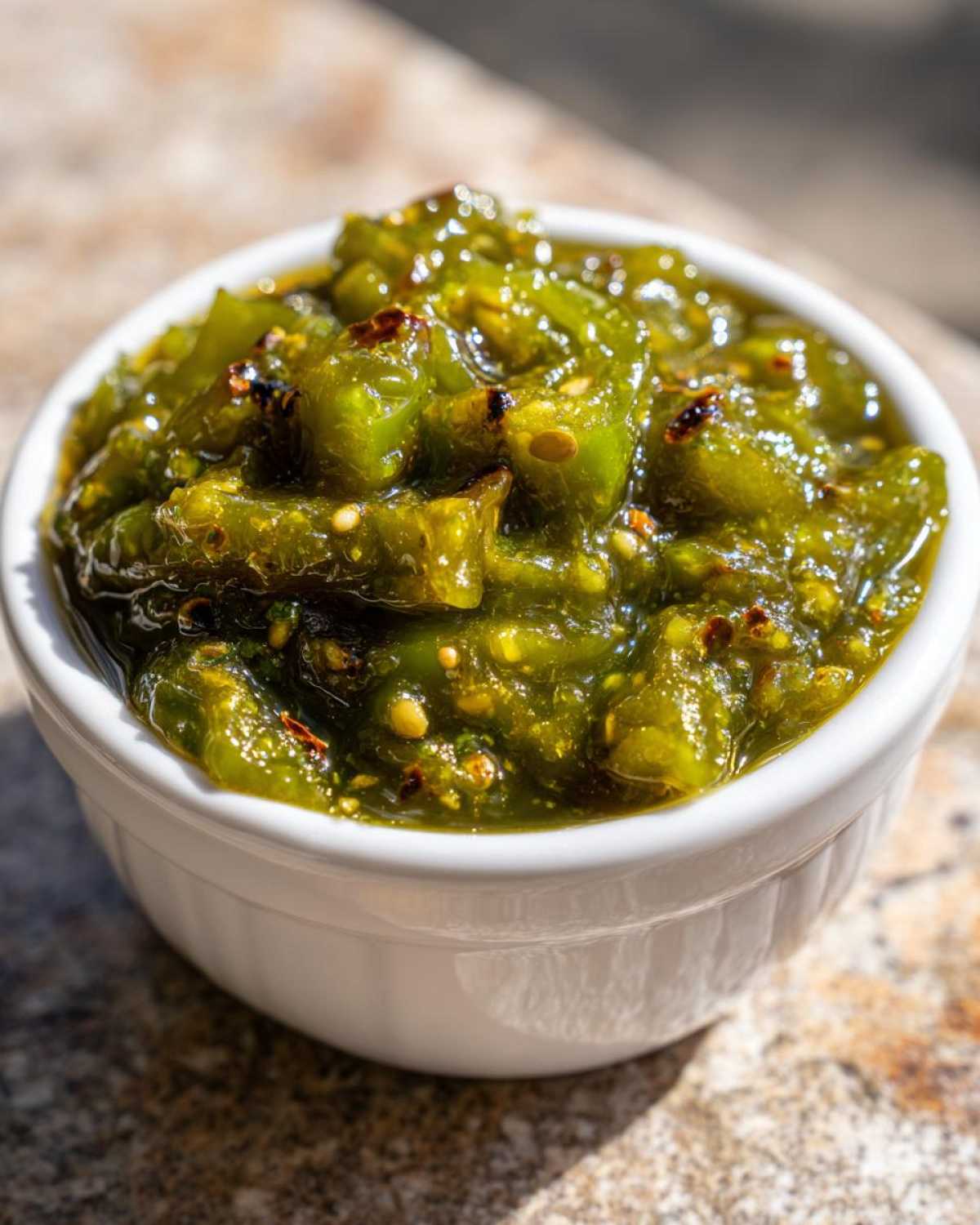
After you blend, always, always taste it! Does it need more salt? A bit more zing from the lime? If you blended it too long and it’s too thick—which happens when you go for that smooth texture—just add water one tablespoon at a time until it pours nicely. This batch might be eaten right away with chips, or you can save it for topping my amazing avocado toast with green poached eggs! It tastes good warm or cold, honestly.
Blending Technique for Desired Consistency
The pulsing method is non-negotiable. For chunky, you want texture; that means you should still see distinct bits of onion or chile after you stop blending. If you want that silky smooth texture, you’ll run the machine for maybe 30 to 45 seconds total, depending on your machine’s power. If it gets past the 45-second mark, you’re heading toward liquid territory!
And I have to warn you: don’t add extra water unless you absolutely have to. The roasted tomatillos release plenty of liquid, but if you over-blend, you thin it out too much. If it seems like wet cement after five pulses, then add that tablespoon of water. Remember, we want a sauce that clings to the chip, not one that slides right off!
Tips for Perfect From Scratch Tomatillo Salsa
Now that you’ve mastered the roasting, let’s talk about fine-tuning this Salsa Verde Recipe from Scratch so it’s absolutely perfect every single time. I’ve got a couple of insider secrets I picked up over the years that really nail the flavor balance. First, after roasting, if you really want that pure, clean green color and ultra-smooth texture, you can peel the blistered skins right off the tomatillos before blending. Now, I usually skip that because I love the earthy flavor the char adds, but peeling them gives you a different vibe—more vibrant green!
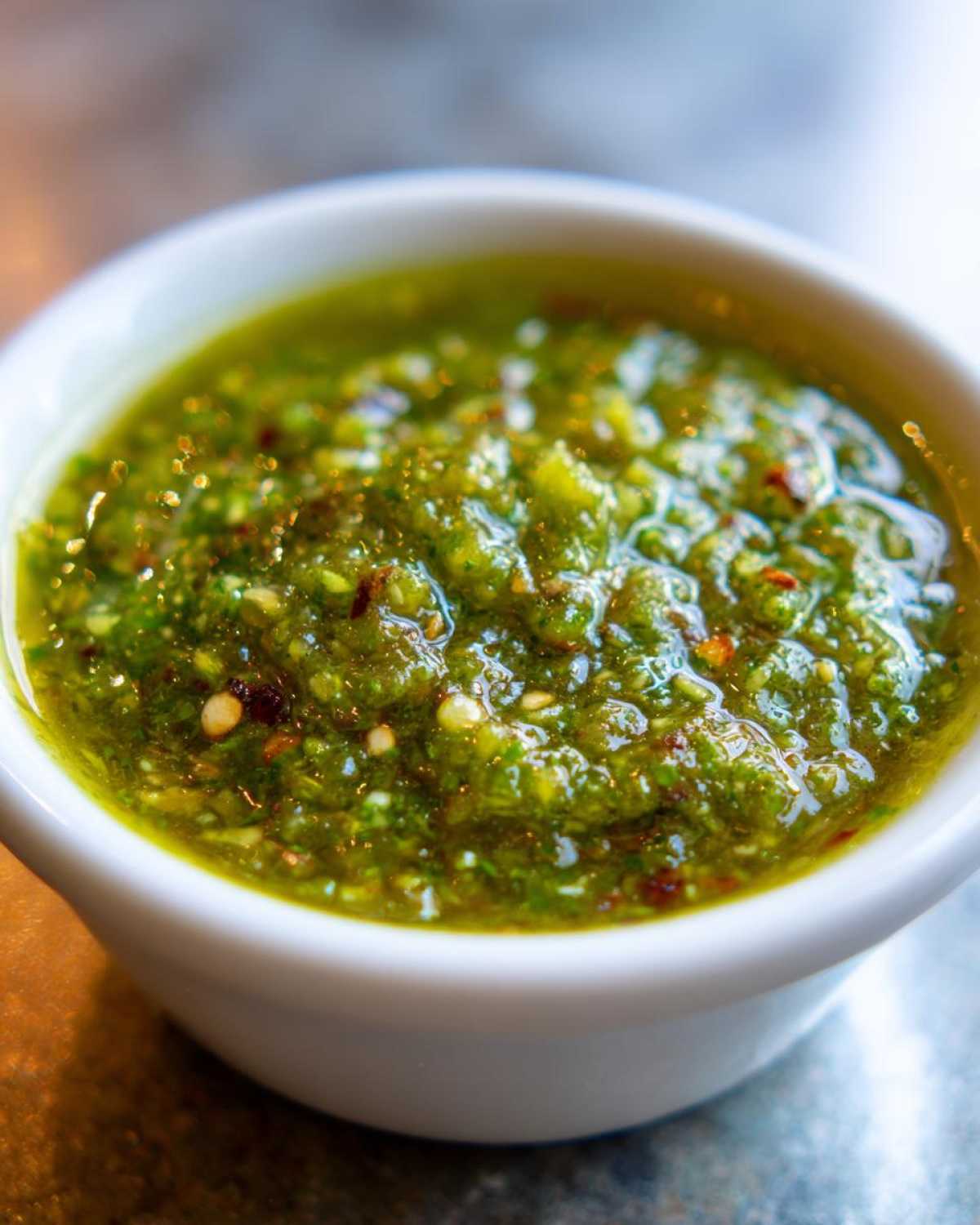
Also, taste testing is key! Don’t just dump in the salt and call it a day. Heat levels are crazy inconsistent between jalapeños, so always taste before you serve. If it’s screaming too spicy, a little extra lime juice or even a tiny bit more raw onion can help balance it out. A little bit of tang brings the other flavors forward beautifully. This recipe is so versatile; you can use the leftovers on my spinach egg omelet tomorrow!
Using Your Authentic Salsa Verde Recipe From Scratch
Whew! That’s it! You’ve got that gorgeous, smoky green sauce ready to go. Having this Authentic Salsa Verde Recipe From Scratch makes me feel like a seasoned kitchen pro. The best part is seeing how far this little batch goes. Of course, it’s absolutely essential for dipping chips—you cannot beat the flavor of this fresh salsa with good tortilla chips!
But that roasting technique elevates it beyond just a dip. This salsa is seriously good enough to be your go-to base for things like rich green enchiladas—it makes the most amazing Homemade Green Enchilada Sauce Base you can imagine. I also love spooning it wildly over grilled chicken or even using it for my green eggs and ham sandwiches!
Versatile Uses for Restaurant Style Salsa Verde
Honestly, once you make this, you’ll be looking for reasons to use it everywhere. For a true Restaurant Style Salsa Verde moment, pour it over Huevos Rancheros in the morning. Then, for dinner, it’s the perfect topper for crunchy tacos—the heat cuts right through the richness of the meat.
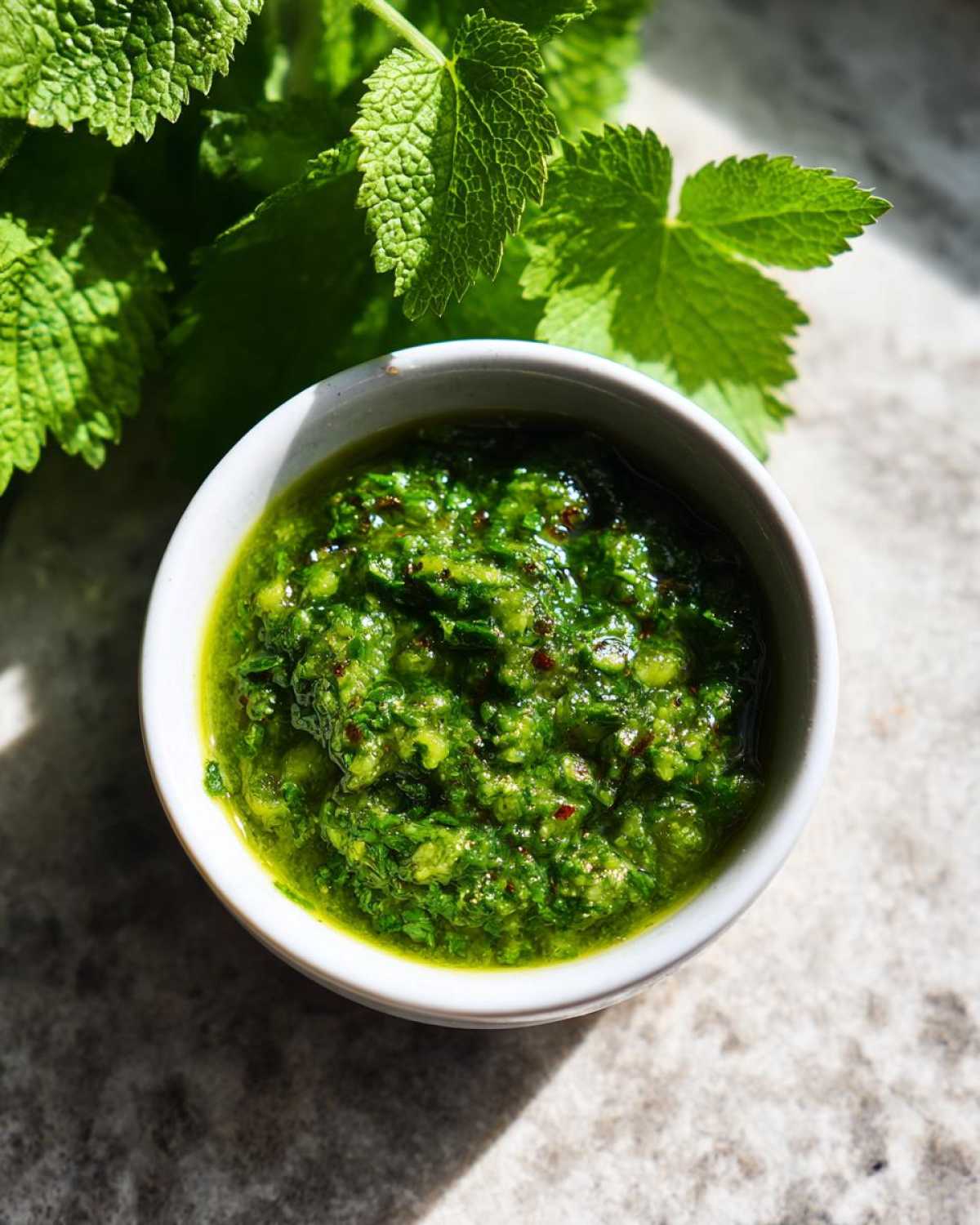
Don’t forget about pork carnitas! A generous scoop on top just brightens everything up. You might even find yourself drizzling it over eggs just because you can.
Storage and Reheating for Your Fresh Tomatillo Salsa Recipe
So, what if you actually manage to have leftovers? Because this is an Authentic Salsa Verde Recipe, it tastes amazing the next day, too! You’ll want to store any leftover Fresh Tomatillo Salsa Recipe in an airtight container in the fridge. It holds up really well for about five days—maybe even longer, but trust me, mine never lasts that long!
The best news is that the flavor actually deepens overnight. The roasted notes marry up with the cilantro and lime, making it even better for scooping chips tomorrow. You don’t really need to reheat it at all. Serve it chilled, or let it sit on the counter for about 15 minutes before serving if you want it closer to room temperature. It’s just perfect either way!
Frequently Asked Questions About Authentic Salsa Verde
I know you guys are going to have questions once you start making this stuff because perfecting any Traditional Mexican Salsa Verde Recipe takes a little back and forth. I’ve tried to answer the things I always wonder about when I try a new sauce. You want this to be perfect, and I totally get that! Whether you’re worried about the heat or what the roasting is actually called, we’ve got you covered here for your Salsa Verde Recipe from Scratch.
Can I substitute serrano peppers in this Authentic Salsa Verde Recipe?
Oh, absolutely! That’s a common swap when you’re looking for that extra kick in your Authentic Salsa Verde Recipe. If you use one jalapeño and one serrano, you’ll get a nice middle-of-the-road heat. But seriously, if you use two serranos, be prepared! They are hotter, so if you’re sensitive, maybe just ease in with one serrano and skip the jalapeño entirely.
What is the difference between this salsa and Salsa Tatemada?
This is a fun one! Linguistically, “Tatemada” just means “roasted” or “charred” in Mexican Spanish. So, when we say this is our Roasted Tomatillo Salsa Verde, we are essentially making a Salsa Tatemada! We char the ingredients for that smoky depth. If it’s not roasted, it’s not truly *tatemada*!
And if you want more inspiration or just want to read about my kitchen philosophy, you can always find me over at my About Me page!
Nutritional Estimate for This Salsa Verde
Okay, let’s talk real food for a second! I am a cook, not a nutritionist, so please take these numbers with a huge grain of salt—or perhaps a big dollop of salsa! Since this recipe is so simple and based on fresh vegetables, it keeps things pretty light, which is fantastic. These estimates are based on the full recipe yield divided into about four servings, so they represent a standard 1/4 cup serving size.
Remember, because we are roasting and not frying everything heavily, the fat content stays super low. This is probably one of the best things you can say about homemade sauces—you control what goes in! It’s naturally vegetarian and packed with fiber from all those wonderful tomatillos and chiles.
Here’s a quick look just so you know what you’re sprinkling on your eggs or dipping those chips into:
- Serving Size: 1/4 cup
- Calories: 35
- Total Fat: 1g
- Sodium: 250mg (This is mostly from the salt you add, so adjust if you’re watching sodium!)
- Total Carbohydrates: 6g
- Dietary Fiber: 2g
- Protein: 1g
- Cholesterol: 0mg
Authentic Roasted Tomatillo Salsa Verde
Make a traditional, smoky salsa verde by roasting the tomatillos and chiles before blending. This recipe yields a restaurant-style green sauce.
- Prep Time: 10 min
- Cook Time: 15 min
- Total Time: 25 min
- Yield: About 2 cups
- Category: Sauce
- Method: Roasting/Blending
- Cuisine: Mexican
- Diet: Vegetarian
Ingredients
- 1 lb tomatillos, husked and rinsed
- 2 jalapeño peppers (or 1 serrano for more heat)
- 1/2 white onion, roughly chopped
- 2 cloves garlic, unpeeled
- 1/2 cup fresh cilantro leaves
- 1/2 lime, juiced
- 1/2 teaspoon salt, or to taste
- 1 tablespoon vegetable oil (optional, for charring)
Instructions
- Place the tomatillos, jalapeños, and unpeeled garlic cloves on a dry baking sheet or comal.
- Roast under a broiler or over medium-high heat on a stovetop, turning frequently, until the skins are blackened and softened, about 8 to 10 minutes. The tomatillos should be soft.
- Remove the garlic from the heat and peel the skins off.
- If you prefer a smokier flavor, heat the vegetable oil in a small skillet over medium heat. Add the roasted chiles and cook for 1 minute, turning them to char slightly more.
- Place the roasted tomatillos, charred chiles, peeled garlic, chopped onion, cilantro, lime juice, and salt into a blender or food processor.
- Pulse the mixture until you reach your desired consistency. For a chunky salsa, pulse briefly. For a smoother sauce, blend longer.
- Taste and adjust salt or lime juice as needed. If the salsa is too thick, add a tablespoon of water.
Notes
- For a smoother texture, you can peel the skins off the tomatillos after roasting, though leaving some char adds flavor.
- Adjust the number of chiles to control the heat level of your salsa.
- This salsa is excellent served warm or cold.
Nutrition
- Serving Size: 1/4 cup
- Calories: 35
- Sugar: 2
- Sodium: 250
- Fat: 1
- Saturated Fat: 0
- Unsaturated Fat: 1
- Trans Fat: 0
- Carbohydrates: 6
- Fiber: 2
- Protein: 1
- Cholesterol: 0