
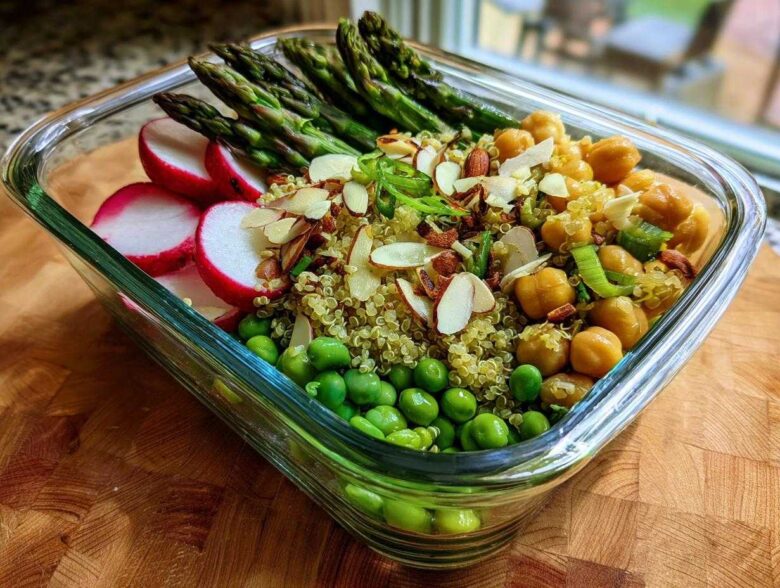
Oh, I am just so ready for lighter meals now that the weather’s finally decided to cooperate! As we ditch the heavy stews, my focus immediately jumps to making lunch exciting again. I’ve spent years perfecting grab-and-go meals that taste like they were just assembled, and trust me, getting that texture right when you’re packing lunch at 6 AM is a battle I’ve won many times over.
That’s why I’m so thrilled to share this formula with you today. This isn’t just some soggy lettuce situation, nope. This is the perfect, texture-retaining Sustainable Lunch Box Spring Salad. It’s packed with bright veggies, keeps me full until dinner without feeling weighed down, and most importantly, it honors my commitment to low-waste eating. If you are looking for something genuinely fresh and easy to prep for the week, you’ve found your new lunch obsession!
You’ll want to check out all my other healthy lunch ideas over on my lunch category if you need more inspiration after mastering this one!
Why This Sustainable Lunch Box Spring Salad Works for Meal Prep
The absolute worst is opening your lunch mid-morning only to find a soupy mess! I learned that lesson the hard way during my intern days when I tried packing dressing directly onto leafy greens. Never again! That’s why this recipe focuses on structure. We are creating the best salads that don’t get soggy right inside your container.
This is truly a fantastic make ahead spring salad because of how we layer things. The base is hardy, and the dressing stays sealed away until the last minute. It’s all about ensuring that lunchtime bite has that perfect snap and freshness. Making this part of your weekly rhythm is so simple, and it really cuts down on weekday stress, which is part of what going sustainable is all about for me!
Achieving the Perfect Portable Vegetarian Lunch
We are packing real fuel here, not just filler greens. The quinoa gives us that wonderful complex carb base, and the chickpeas bring in the protein power. It makes this such a nourishing portable vegetarian lunch that sticks with you. You won’t be hitting that 3 PM wall because we focused on balance while keeping everything green and light for spring!
Gathering Components for Your Sustainable Lunch Box Spring Salad
Okay, let’s talk ingredients! This is where we really align our lunch packing with our planet-friendly goals. Since we are celebrating spring, I focused on crisp, vibrant vegetables that are easy to find fresh—or even better, sourced sustainably. If you’re hitting the farmers market inspiration this weekend, grab what looks best!
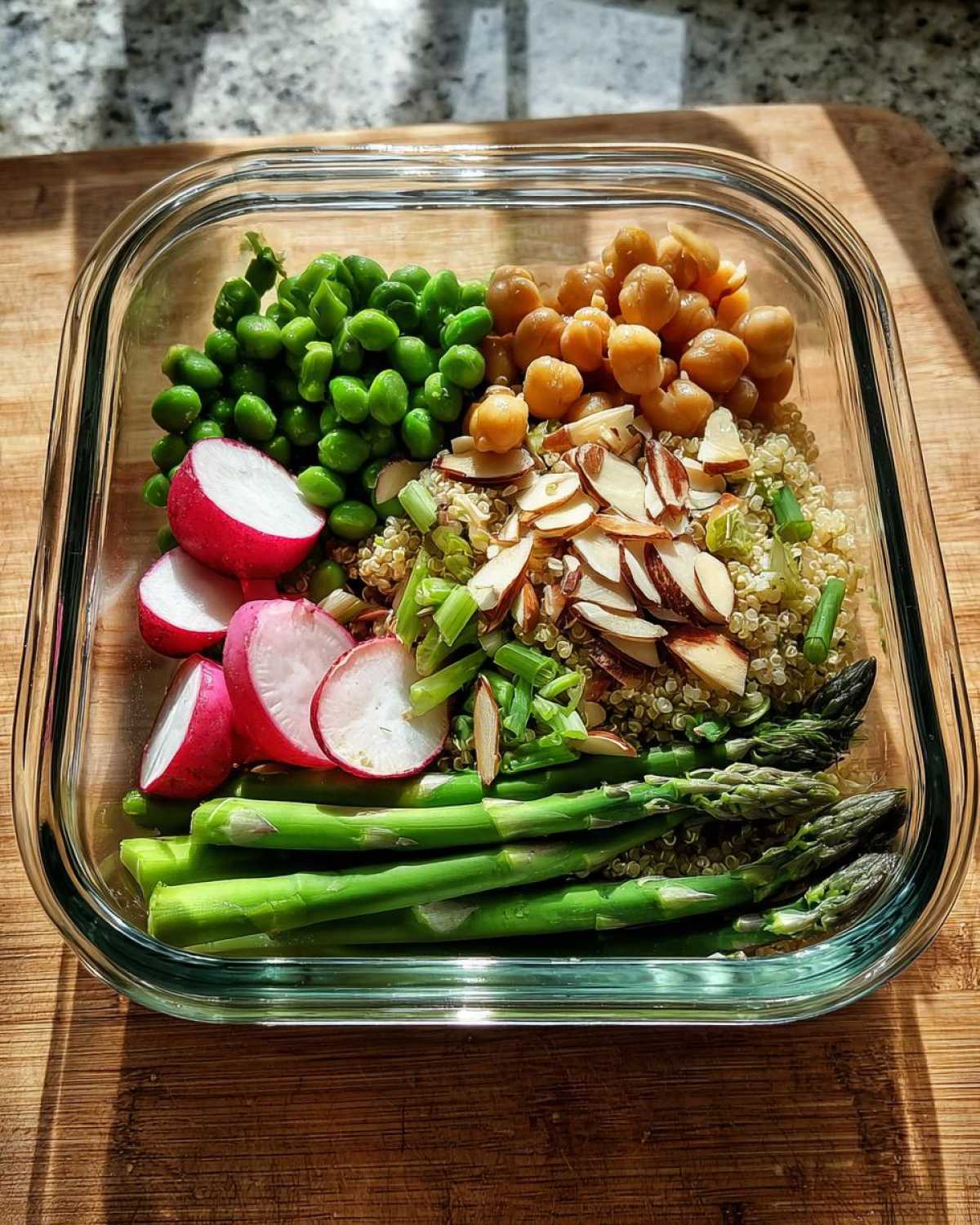
If you source locally, you often skip tons of plastic packaging, which really elevates this into a true sustainable lunch box masterpiece. Remember, you only need one serving, so don’t feel overwhelmed by the quantities. Everything here is designed to be prepped over the weekend for quick assembly.
Essential Ingredients for the Spring Salad Base
Make sure you get these right, especially the asparagus. We aren’t eating it raw here; that slight blanching step makes all the difference for texture later!
- 1 cup cooked quinoa (make sure it’s totally cooled!)
- 2 cups mixed spring greens (I love a mix of spinach and peppery arugula)
- 1/2 cup chopped asparagus, lightly blanched
- 1/2 cup shelled fresh or frozen peas
- 1/4 cup sliced radishes
- 1/4 cup chopped scallions
- 1/2 cup chickpeas, rinsed and drained
- 1/4 cup toasted slivered almonds
Simple Lemon Vinaigrette for the Sustainable Lunch Box Spring Salad
We keep the dressing super simple, using olive oil for healthy fats. Remember, this always goes on the side!
- 3 tablespoons olive oil
- 1 tablespoon lemon juice (freshly squeezed is best!)
- 1 teaspoon Dijon mustard
- Pinch of salt and pepper
Step-by-Step Instructions for Your Make Ahead Spring Salad
Putting together this sustainable lunch box spring salad is almost therapeutic in its simplicity once you have your components ready. The key to success, as always in meal prepping, is patience during the cooling and preparation stages. Don’t rush that quinoa or skip the ice bath for the asparagus—it’s what keeps everything bright green and crisp!
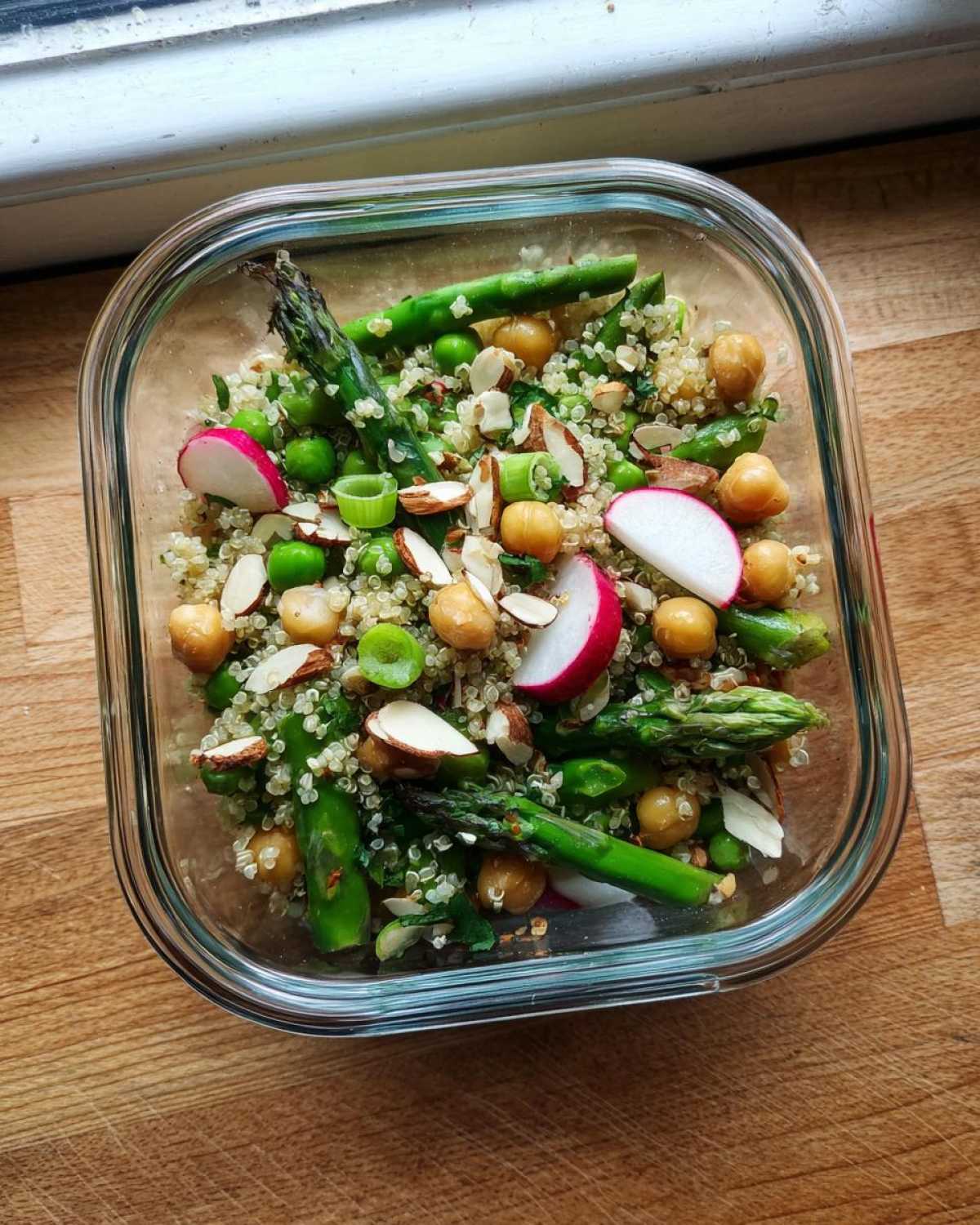
Once everything is cool and prepped, the assembly is super fast. We’re essentially building a delicious, protective layer cake right in the container. This is what makes it one of the best healthy packed lunch ideas—it’s all about strategic placement!
Preparing the Grains and Spring Vegetables
First things first, let’s get the quinoa handled. Cook it according to the box instructions, but—and this is huge—let it cool completely. Warm grains make for wilted greens later! While that’s cooling, turn your attention to the asparagus.
Bring a tiny pot of water to a boil, drop those asparagus pieces in for just one minute—that’s all they need! Immediately scoop them out and plunge them into a bowl of ice water. This shocks them and locks in that gorgeous color. Once they are chilled, drain them super well! Any extra moisture here is the enemy of a good packed salad.
Layering Technique for the Best Sustainable Lunch Box Spring Salad
This layering method ensures that when you grab that container this week, you’re not dealing with a soggy mess. Trust me, I know the right order!
- Start with the cooked, cool quinoa right at the bottom of your container. This is your protective layer.
- Next, we add the heavier items: your chickpeas, the lightly blanched asparagus, the fresh radishes, and the chopped scallions go on top of the quinoa.
- Keep those delicate mixed greens dry! Place them in a separate section or pile them right on top of the other veg. They stay separated from the moisture reservoir below.
- The crunchy nuts (almonds) need their own tiny sealed spot so they don’t absorb moisture and lose their crunch.
- Finally, your dressing goes into its own sealed jar. This layering makes this one of the most reliable healthy packed lunch ideas you’ll ever use!
Low Waste Lunch Packing Guide for Your Green Lunch Ideas
Okay, we’ve got the perfect salad recipe, but now we have to address how we are getting it to work without creating trash, right? That’s where the commitment to the low waste lunch packing guide really kicks in. I ditched disposable plastic bags years ago, and honestly, my lunches look way nicer now!
I swear by a good stainless steel bento box or maybe a nice set of glass containers for this recipe. They keep everything contained, they’re easy to clean, and they are endlessly reusable—talk about great reusable food containers tips! For tiny bits like the sunflower seeds or dressing, I use small silicone cups with lids. It keeps things organized, and you never have random plastic wrap involved.
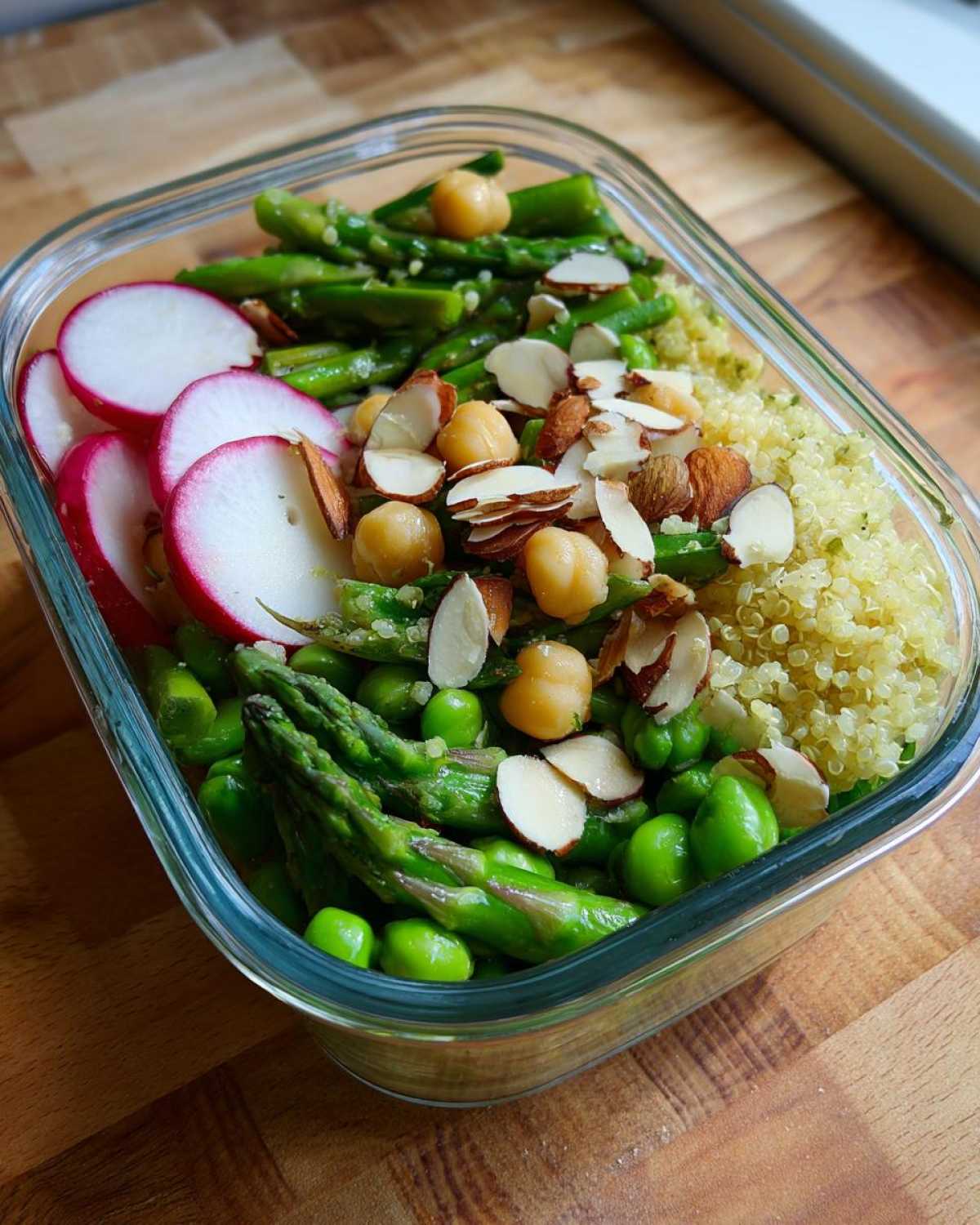
Here’s a tip that ties right back into sourcing: If you’re buying your seasonal spring vegetables from a local pop-up or your farmers market inspiration spot, bring your own reusable bags! They get lighter produce and you save that roll of plastic bags. It’s a win-win for your plate and the planet when assembling your sustainable lunch box spring salad!
If you want to know more about my personal data commitments while you browse the site, check out my privacy policy!
Tips for Success with This Spring Salad Recipes for Lunch
Even with the perfect layering for your sustainable lunch box spring salad, a few little tweaks can make sure it tastes just as good at lunchtime as it did when you packed it. The biggest worry I always get is the nuts going soft! Keep those almonds in their own tiny spot, just like we discussed. Seriously, don’t let them touch anything wet until the very second you are ready to eat!
When dealing with other seasonal spring vegetables, remember that texture is everything. If you want to switch this up and make it more of a hearty spring grain bowl recipes vibe next week, swap the quinoa for farro—it holds up beautifully and takes dressing really well. A little attention to these details keeps your packed lunches exciting!
Ingredient Substitutions for Variety
Don’t feel like you have to make this exact salad every day! If you’re doing a big batch prep, variety keeps things interesting. Since we are keeping this plant based spring lunch focused, here are some swaps that work perfectly:
- Swap radishes for thinly sliced fennel bulb if you want a little anise kick.
- Instead of peas, try delicate, shaved raw broccoli florets—they are surprisingly crisp!
- If you can’t find good asparagus, rapini (broccoli rabe) blanched very briefly works great as a seasonal stand-in.
Storage and Reheating Instructions
Good news! One of the best things about this sustainable lunch box spring salad is that it is designed specifically *not* to need reheating. In fact, you should never heat it up! The appeal of this vibrant dish is its cool, crisp texture, so we treat it just like you would a fresh garden platter.
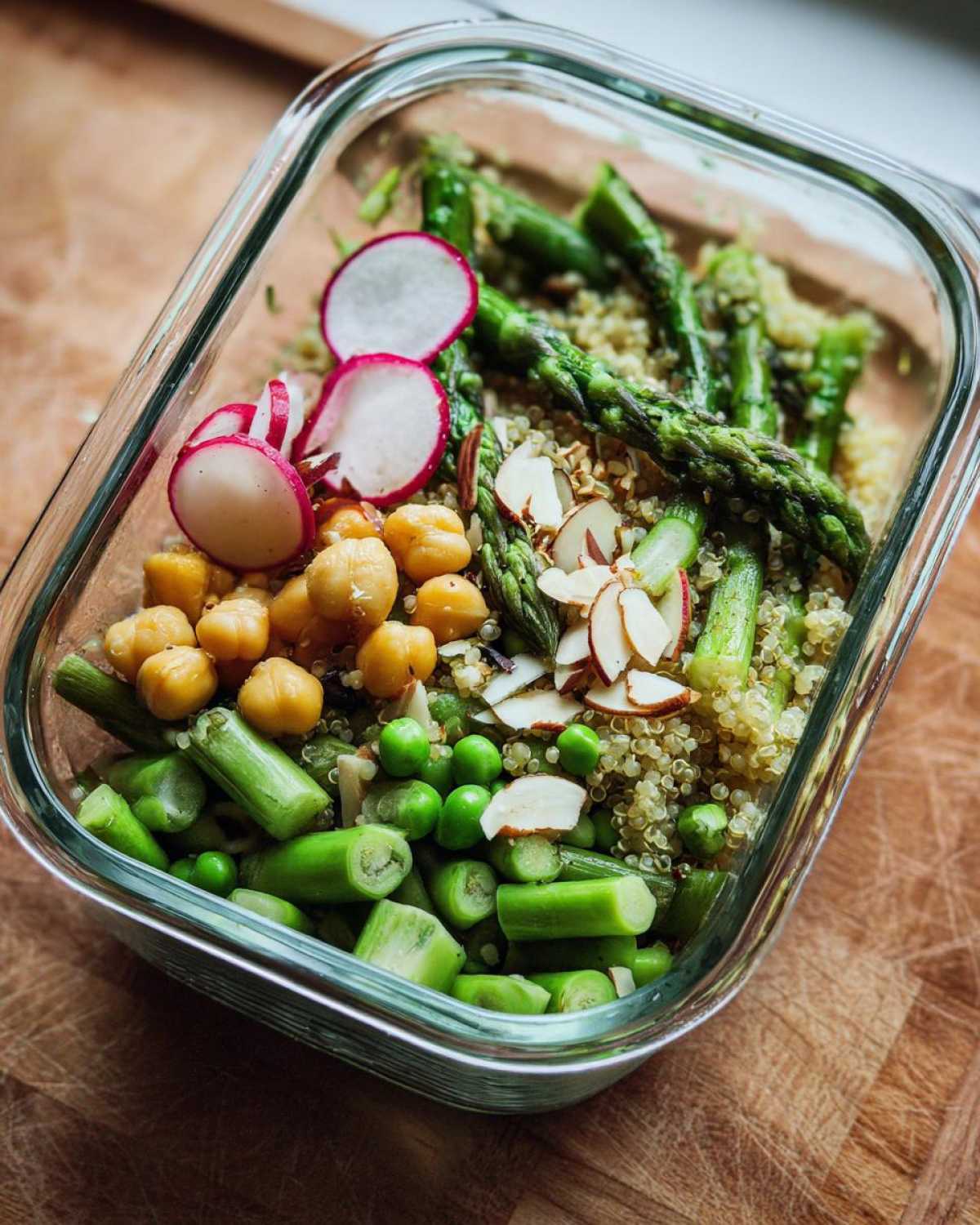
When you make your components on Sunday, you want to think about how long each item actually lasts. The cooked quinoa base stays perfectly fine in an airtight container in the fridge for a solid four days. That means you can easily prep enough for Monday through Thursday’s lunches without compromising quality.
The fresh, raw vegetables—like those gorgeous radishes and scallions—are best if used within two to three days. If you are doing a big batch prep, you might want to dice those harder components one day and combine them with the greens and quinoa just the night before eating.
Remember, the most important storage tip for keeping this make ahead spring salad successful is keeping that lovely lemon vinaigrette completely separate. Store your dressing in a tiny, sealed jar. When you’re ready to eat, pour it on, toss it gently right there, and enjoy! If you keep the dressing separate, this salad tastes nearly homemade, even on day three!
Frequently Asked Questions About Your Sustainable Lunch Box Spring Salad
Even though I tried to cover everything for this sustainable lunch box spring salad, I know you’ve probably got a few specific questions bouncing around in your head. That’s totally normal when you’re figuring out a new routine!
I’ve pulled the most common things people ask me when they’re trying to nail down their healthy packed lunch ideas for the week. If you’re curious about any other part of my about us philosophy or the recipe itself, just drop a comment below!
Can I add grilled chicken to this plant based spring lunch?
That’s a great question! While the recipe I shared here is designed as a wonderful plant based spring lunch—relying on quinoa and chickpeas for protein—you absolutely can add grilled chicken if you want more non-vegetarian protein. If you do, just follow the golden rule we talked about: keep it completely separate! Pack your cooked, cooled chicken in its own little container, and only combine it with the salad right before you dig in. That keeps everything safe, tasty, and structured just right.
How far in advance can I prepare the quinoa for this salad?
The quinoa is your rockstar foundation! Because it’s a sturdy grain, it holds up better than almost any other base. I usually cook a big batch on Sunday night, and it lasts perfectly well for four solid days in an airtight container in the fridge. So, you can safely prepare the quinoa for your entire work week right at the beginning, making assembly the next morning super speedy!
How do I stop the radishes from making the greens soggy?
This is a classic texture concern! The trick here is that the radishes are layered *beneath* the greens, right on top of the quinoa and chickpeas. Since the quinoa acts as a moisture barrier, the radishes stay dry. If you cut them thin and don’t rinse them extensively right before packing, they won’t transfer any extra water to those delicate greens sitting above them in your sustainable lunch box!
Is this considered a zero waste eating for work recipe?
It certainly leans heavily toward that goal! As long as you are using reusable containers—glass or steel are my favorites—and using your own produce bags when you grab those seasonal spring vegetables at the market, then yes, this becomes a fantastic zero waste eating for work option. The dressing in a sealed reusable jar is the key difference between this and a salad you buy pre-made!
Estimated Nutritional Data for This Spring Salad
Listen, I’m a cook, not a certified nutritionist, so take these numbers with a grain of salt—or maybe a sprinkle of that toasted almond topping! But since we’re aiming for a complete, balanced meal here, I always like to give you a ballpark idea of the fuel you’re packing.
These estimates are based on standard ingredient measurements for the full recipe, assuming you used olive oil for the dressing and had the chickpeas as your primary protein alongside the quinoa. When you assemble your sustainable lunch box spring salad, the exact numbers will shift a tiny bit depending on how much dressing you actually finish or if you swap out the almonds for walnuts, but this gives you a great baseline!
- Calories: Around 550 (That’s excellent staying power for a midday meal!)
- Protein: Approximately 20 grams
- Total Fat: About 28 grams (Mostly the healthy unsaturated fats from the olive oil and nuts!)
- Total Carbohydrates: Near 60 grams
- Fiber: A fantastic 12 grams—hello, happy digestion!
This is what I mean when I talk about a truly satisfying healthy packed lunch idea. It’s balanced energy designed to keep you focused through the afternoon slump without the sugar crash!
Share Your Fresh Farmers Market Salad Inspiration
Whew! Now that you’ve got the perfect blueprint for making the most delicious, no-soggy, sustainable lunch box spring salad ever, I want to see what you come up with!
Seriously, what’s your favorite spring bounty you’re tossing in? Are you finding amazing snap peas or maybe some gorgeous purple asparagus? Let me know in the comments below!
I am always looking for new ways to elevate my low waste lunch packing guide, so tell me your genius hacks! Do you use beeswax wraps for your almonds? Have you found a better zero-waste dressing container? I want all the details!
If you make this recipe for your lunch rotation, snap a picture and tag me! Seeing my recipes out in the real world, especially when they look this beautifully green and fresh, just makes my whole week.
I love hearing from all of you! If you have any final questions or just want to say hi about this recipe, please pop over to my contact page and send me a note. Happy packing, my friends!
PrintSustainable Spring Lunch Box Salad
A recipe for a fresh, seasonal spring salad designed to hold up well in a packed lunch box, using low-waste packing methods.
- Prep Time: 20 min
- Cook Time: 15 min
- Total Time: 35 min
- Yield: 1 serving
- Category: Lunch
- Method: Assembly
- Cuisine: Modern American
- Diet: Vegetarian
Ingredients
- 1 cup cooked quinoa
- 2 cups mixed spring greens (spinach, arugula)
- 1/2 cup chopped asparagus, lightly blanched
- 1/2 cup shelled fresh or frozen peas
- 1/4 cup sliced radishes
- 1/4 cup chopped scallions
- 1/4 cup toasted slivered almonds
- 1/2 cup chickpeas, rinsed and drained
- For Dressing: 3 tablespoons olive oil
- For Dressing: 1 tablespoon lemon juice
- For Dressing: 1 teaspoon Dijon mustard
- For Dressing: Pinch of salt and pepper
Instructions
- Cook the quinoa according to package directions. Let it cool completely.
- Blanch the asparagus briefly in boiling water for 1 minute, then immediately transfer to ice water to stop cooking. Drain well.
- In a small jar or container, whisk together the olive oil, lemon juice, Dijon mustard, salt, and pepper to make the dressing. Seal the container.
- In your lunch container, layer the ingredients to prevent sogginess: place the quinoa at the bottom.
- Add the chickpeas, blanched asparagus, peas, radishes, and scallions on top of the quinoa.
- Place the mixed greens in a separate compartment or on top, keeping them dry.
- Pack the toasted almonds in a very small, separate container or baggie.
- Pack the dressing in its sealed container. When ready to eat, combine all ingredients and pour the dressing over the salad. Toss gently.
Notes
- Use reusable glass containers or stainless steel bento boxes for packing to reduce waste.
- If you source ingredients from a farmers market, bring your own reusable bags.
- To keep the salad crisp, pack hard vegetables like radishes near the bottom layer.
- For added protein, substitute chickpeas with 1/2 cup of crumbled feta or hard-boiled egg slices packed separately.
Nutrition
- Serving Size: 1 container
- Calories: 550
- Sugar: 6
- Sodium: 350
- Fat: 28
- Saturated Fat: 4
- Unsaturated Fat: 24
- Trans Fat: 0
- Carbohydrates: 60
- Fiber: 12
- Protein: 20
- Cholesterol: 0