


There is nothing, absolutely nothing, that beats the sheer satisfaction of cracking three eggs and whipping up a perfect, cheesy breakfast in less time than it takes to boil water. Seriously! When I tell you this recipe creates a fluffy, restaurant-quality Cheese Omelette in under 10 minutes total, I’m not exaggerating. This isn’t one of those sad, flat egg pancakes you see sometimes. Nope. This specific method, which I’ve tweaked over countless mornings, delivers that gorgeous, soft texture every single time. It’s my go-to move when I need a fast, high-protein meal, whether it’s 7 AM on a Tuesday or 8 PM and I’m craving something comforting.
Why This Easy Cheese Omelette Recipe Works So Well
I’ve made literally hundreds of omelettes trying to nail down the perfect balance without spending half my morning hovering over the stove. The reason this particular Easy Cheese Omelette Recipe is my absolute favorite is that it skips all the tricky parts and focuses on what matters: flavor and speed. It’s not just another recipe; it’s a reliable technique that actually works when you’re rushed.
Quick Breakfast Ideas Ready in Minutes
Honestly, the total time clocking in around seven minutes means this qualifies as one of the best Quick Breakfast Ideas you’ll ever find. When you need a healthy meal that isn’t cereal, this is your answer. You won’t even have time to hit snooze again!
Achieving a Fluffy Omelette at Home Texture
The magic to a Fluffy Omelette at Home lies in restraint. We aren’t whipping these eggs into stiff peaks like meringue! We just want to incorporate enough air while mixing (plus that splash of water) and then use medium heat so the eggs puff up beautifully instead of instantly turning rubbery. This method guarantees thick, soft folds, not a flat crepe.
Ingredients for Your Classic Fluffy Cheese Omelette
You only need a few things for this, but I’m obsessed with the quality of these specific ingredients. Remember, since this is such a simple recipe, every component really shines through! We are going for quality, not quantity, especially when it comes to the cheese blend. Don’t worry if you don’t have Gruyère; I have ideas for you later, but this combination is my current favorite blend for maximum melt and flavor.
- 3 large eggs
- 1 tablespoon water or milk (Whole milk makes it richer, trust me!)
- 1/4 teaspoon salt
- 1/8 teaspoon black pepper
- 1 teaspoon butter (Must be butter, not oil, for that nutty flavor!)
- 1/4 cup shredded sharp cheddar cheese
- 2 tablespoons crumbled feta cheese
- 1 tablespoon shredded Gruyère cheese
Ingredient Notes and Best Cheese for Omelettes Selection
The key to the Creamy Cheese Omelette Filling is using cheese that melts well together. I love this trio: the sharp cheddar gives us that familiar cheesy bite, the Gruyère melts into liquid silk, and the feta adds a little salty tang that cuts through the richness. Always shred your cheese yourself—pre-shredded has those weird anti-caking agents that stop it from melting properly! Also, if you can remember to let your eggs sit out for about 15 minutes before you start, they incorporate air much better, leading to that gorgeous cloud-like texture we are aiming for.
How to Make Perfect Omelette: Step-by-Step Instructions
Okay, listen up, because this is where most people mess up their Perfectly Cooked Eggs! The entire process moves fast once the pan is hot, so have your cheese ready to go before you even touch the whisk. This is the main component of learning How to Make Perfect Omelette—prepping ahead of time!
Preparing the Egg Mixture for the Cheese Omelette
In a small bowl, combine your three eggs—remember, room temp if you can manage it—with the salt, pepper, and that tablespoon of water or milk. You want to mix this until everything is just combined. I’m talking maybe 10-15 quick whisks or fork stabs. If you go nuts whipping air into it, you’ll end up with a beautiful souffle but not the classic, creamy Cheese Omelette we’re after. We want just enough movement to break up the whites.
Mastering the Cook: Setting the Eggs and Creating Curds
Heat an 8-inch non-stick skillet over medium heat. This is crucial! Medium heat is your friend. Add your butter—let it melt until it foams lightly, meaning the pan is ready. Pour the whole egg mixture in. Let it sit untouched for about 30 seconds until you see the edges just starting to firm up. Now for the movement: use a spatula to gently push those cooked edges inward toward the center. Tilt the pan so the runny egg flows right under the part that just cooked. You repeat this pushing/tilting motion for maybe just a minute or two until the top is still moist but not actively liquid anymore. That slight wobble is what you’re looking for in any great Breakfast recipe.
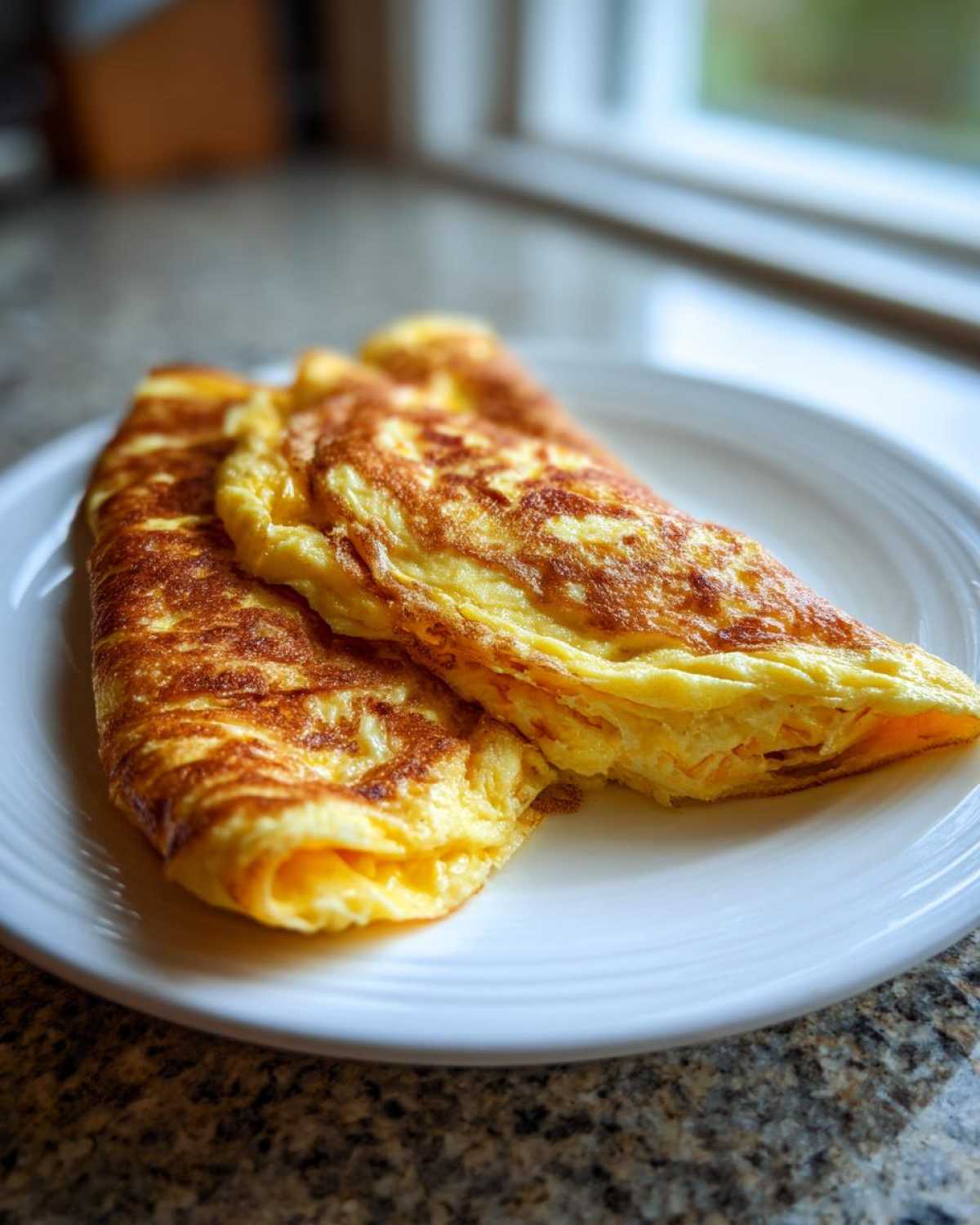
Folding and Finishing Your Simple Egg Recipes Cheese Omelette
Once you have that soft, mostly set surface, sprinkle ALL your three-cheese blend over just *one half* of the surface. This keeps the folding clean. Take your spatula and gently fold the empty side over the cheesy side. Let it sit there for maybe 30 seconds—that’s just enough time for the cheeses to turn into that gooey center. Slide it onto your plate the second it’s folded. Don’t wait! If it sits in the pan even a minute too long, those Simple Egg Recipes will get tough!
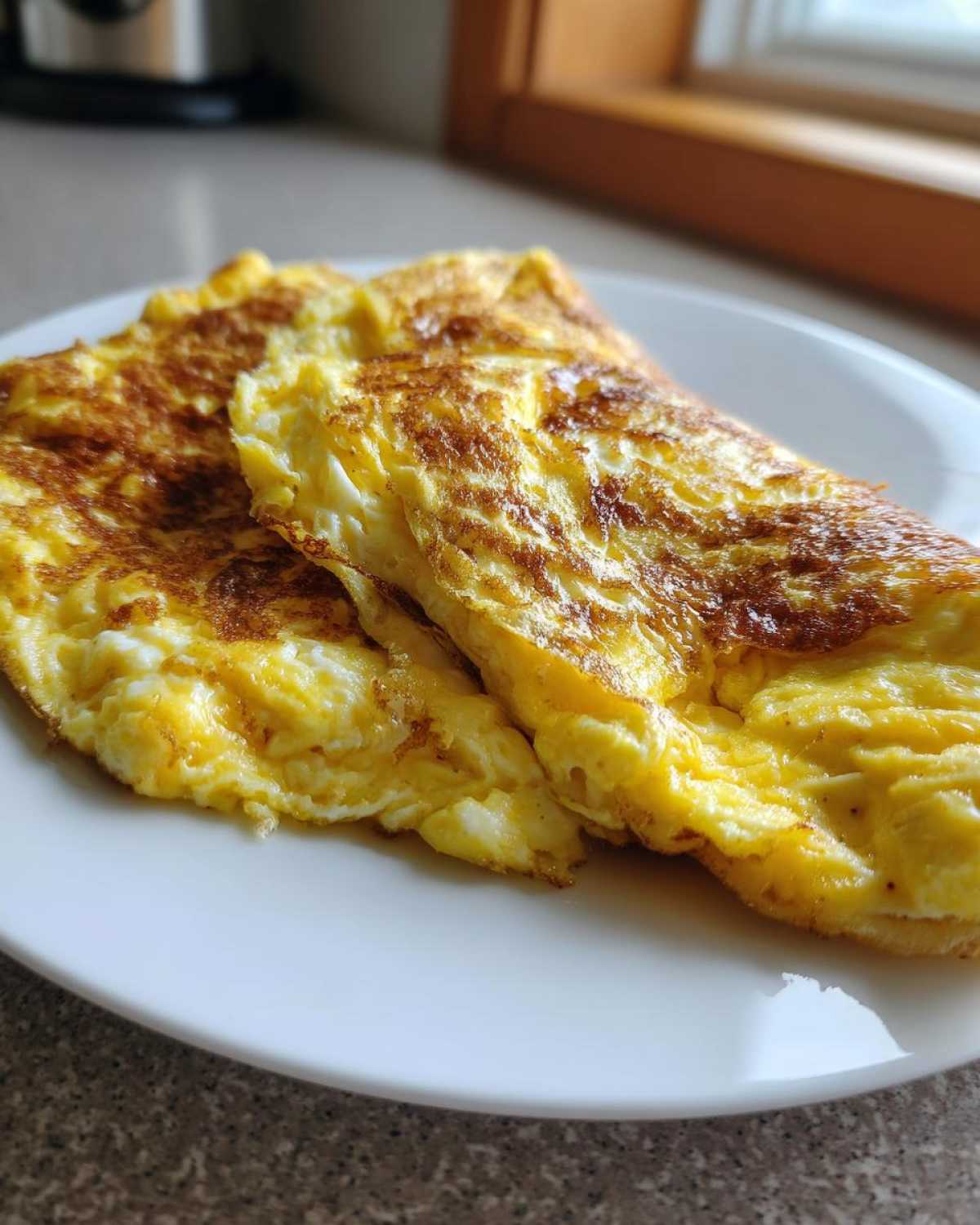
Tips for Success: Making the Ultimate Cheese Omelette
I learned the hard way that making a French Omelette Technique is one thing, but making *this* fluffy, stuffed Cheese Omelette Recipe is another. You can have perfect ingredients, but the pan and the temperature will make or break it. These little things are what separate the ‘okay’ omelettes from the ‘I need to tell everyone about this’ ones.
First, you absolutely must use a dedicated non-stick pan. I use an 8-inch pan just for eggs, and I baby it! Don’t scrub it with steel wool, and don’t use metal spatulas on it—that’s how you ruin the surface forever. If your pan isn’t cooperating, your eggs will stick and tear when you try to fold, turning your beautiful fluff into scrambled egg confetti.
Second, control your heat like it’s your job! The recipe calls for medium heat, and I want you to stick to that. If you use high heat, the bottom layer of egg sets instantly into a tough skin before the inside even has a chance to steam and puff. We want gentle cooking. It should take about 1 minute for the edges to set, not 15 seconds. This low-and-slow patience is the secret to making sure that delicious cheese filling melts perfectly without incinerating the outside.
Also, make sure to scrape down the sides of the bowl when you add the milk, but then clean your whisk or fork off before you start whisking the eggs. Sometimes residual grease or bits from another batch can interfere with how much froth you create. It sounds fussy, I know, but trust me, these Basic Cooking Skills Eggs make a huge difference in the final texture!
Variations for Your Cheesy Omelette for Dinner
While this three-cheese combo is my favorite for a classic brunch vibe, sometimes you need to jazz things up, especially if this humble Cheese Omelette is stretching into dinner territory. Customizing is so easy because eggs are just happy to go along with whatever you throw in! The key is to remember that any additions should be cooked or prepped *before* you even start whisking the eggs, otherwise, you mess up the timing.
Here are a few ways I mix it up when I’m tired of the regular routine:
- Herby Goodness: If you have fresh chives or parsley sitting around, just snip about a teaspoon of them and mix them right in with the salt and pepper when you whisk the eggs. Chives give it a gorgeous, mild onion flavor that brightens everything up. This pairing is fantastic, especially with the tang of the feta we already have in there.
- A Bit of Heat: If you want a little kick for your Cheesy Omelette for Dinner, sauté a tiny pinch of red pepper flakes in the butter *before* you add the eggs. Just let them sizzle for ten seconds to flavor the fat; don’t let them burn! Then, add your eggs right on top.
- Mushroom Magic: If you want vegetables, sauté thin slices of mushroom or half a tablespoon of finely diced bell pepper until they are softened and all their water has evaporated. Spread these cooked veggies thinly over the cheese half just before you fold the omelette over. Don’t use raw veggies, please—they release too much water while the egg cooks and you end up with a soggy mess instead of a fluffy one.
See? It’s so flexible! Just keep those other ingredients pre-cooked or dried, and you maintain that perfect, quick cooking window.
Serving Suggestions for Your Cheese Omelette
When I make this beautiful, fluffy Cheese Omelette, it’s always the star of the show. Because it’s so fast to make, I like pairing it with something that’s already ready to go, or something that requires zero cooking—unless, of course, it’s a big leisurely weekend where I have time for the full production.
If this is your main dish for a light dinner or you’re serving it up for Weekend Brunch Eggs, you need a little balance on the plate. The protein and fat from the eggs and cheese are rich, so something bright and acidic really cuts through that beautifully. Even just a tiny side makes this feel like a complete meal rather than just a snack.
My favorite easy side is a small bowl of fresh fruit—a few sliced strawberries or some segmented oranges work wonders. But if you want something savory, you HAVE to try serving it alongside a simple tomato salad. I mean, you can check out my quick Marinated Tomato Salad recipe, but even just slicing a tomato thinly, drizzling it with olive oil, salt, and pepper makes the perfect fresh counterpoint. It keeps the whole meal feeling very fresh and light, which is nice when you’re eating something as comforting as a cheesy egg dish.
For simple breakfasts, you can’t go wrong just pairing it with a slice of toasted sourdough or perhaps a half avocado sprinkled with everything bagel seasoning. Keep it simple, keep it fast, and let that perfect, creamy filling shine!
Storage and Reheating Instructions for Leftover Omelette
Now, let’s talk real life. Omelettes are one of those things that, deep down, we all *know* are best eaten the second they slide out of the pan. The texture gets a little sad when they cool down, right? They go from beautifully fluffy to slightly dense, even if you used the best Easy Cheese Omelette Recipe!
However, if you’re cooking for one but want to try making a few extras—maybe you’re getting ambitious for meal prep or you’re teaching a kid how to cook and they need practice runs—you can absolutely save leftovers. Just don’t expect that same cloud-like puffiness when you reheat it!
Here’s the trick for reheating without turning your Simple Egg Recipes into dry cardboard. First off, forget the microwave if you can help it! It just steams the life right out of the eggs. If you must use it, use 50% power in short 15-second bursts.
My preferred method is the skillet resurrection. Pop your leftover Cheese Omelette into a non-stick pan over very, very low heat. Get this—add about a teaspoon of water or milk *next to* the omelette, not directly on top, and immediately cover the pan with a lid. The tiny bit of steam trapped under the lid will gently reintroduce moisture back into the eggs. It takes about three to four minutes, but it warms the cheese through nicely and keeps the texture from getting tough. This is vital for Breakfast Recipes for Beginners who might overcook their reheats!
Also, store leftovers in an airtight container in the fridge for no more than two days. They definitely won’t last longer than that before the texture starts to go downhill fast. You can also try making egg muffin cups ahead of time instead if you really want longevity, but for this specific recipe, fresh is best!
Frequently Asked Questions About Making a Cheese Omelette
I get so many questions about this recipe because everyone wants that perfect, melt-in-your-mouth bite. When you start getting into Simple Egg Recipes like this, people always wonder where they went wrong the last time they tried. Don’t worry, we’ve all been there! Here are the answers to the most common things folks ask me about getting that ultimate Cheese Omelette.
What is the secret to a creamy cheese omelette filling?
It’s truly two things working together! First, use a blend of cheeses that melt well, like we did here—Cheddar and Gruyère are great melters. Second, and this is super important, you must add the cheese only when the eggs are almost totally set. If you put the cheese in when the eggs are too runny, the cheese sinks to the bottom, melts into the pan, and you end up with a hard omelette stuck to the bottom and cheese remnants stuck to the pan. Adding it just before the final fold ensures it gets warm and gooey right as the egg finishes cooking around it.
Can I use higher heat to cook my cheese omelette faster?
Oh, I wish you could, but no! This is the biggest mistake people make when they want a Healthy High Protein Breakfast but are in a hurry. If you turn the heat up past medium, the bottom layer of egg cooks violently fast and becomes tough, brown, and rubbery before the heat can penetrate to steam the top layer—which is what makes it fluffy! Keep it at medium, give it time to set gently, and you’ll get that light texture every time. Trust me, shaving off 30 seconds of cooking time isn’t worth ruining the whole thing.
What is the difference between this and a French Omelette Technique?
That’s a great question! This recipe focuses on the ‘American’ or ‘Diner’ style Cheese Omelette, which is fluffy, slightly golden on the outside, and generally folded in half over a thick filling. The classic French Omelette Technique is completely different; it’s cooked over lower heat, stirred constantly to create tiny curds, and rolled into a perfect, pale cylinder without any browning. We are aiming for ‘fluffy pillow’ here, whereas the French style aims for ‘smooth, creamy custard roll.’ Both are delicious, but this one is definitely easier for a quick cook!
Rate This Simple Egg Recipes Cheese Omelette
Alright, you’ve navigated the hot pan, mastered the push-and-tilt, and now you have a glorious, fluffy, and ridiculously cheesy masterpiece! I really, truly hope this Cheese Omelette has become your new favorite in the rotation of Simple Egg Recipes.
Now you have to tell me how it went! Did you try the three-cheese blend I suggested, or did you go rogue with Fontina or maybe some goat cheese? I live for hearing about your kitchen adventures!
Please take just a second and give this recipe a quick rating—one star if it was tough, five stars if it’s your new weeknight dinner savior! Drop a comment below letting me know what cheese you opted for. Happy cooking, truly!
PrintClassic Fluffy Three-Cheese Omelette

Follow these steps to make a quick, fluffy omelette with a creamy cheese filling.
- Prep Time: 3 min
- Cook Time: 4 min
- Total Time: 7 min
- Yield: 1 serving
- Category: Breakfast
- Method: Stovetop Cooking
- Cuisine: American
- Diet: Vegetarian
Ingredients
- 3 large eggs
- 1 tablespoon water or milk
- 1/4 teaspoon salt
- 1/8 teaspoon black pepper
- 1 teaspoon butter
- 1/4 cup shredded sharp cheddar cheese
- 2 tablespoons crumbled feta cheese
- 1 tablespoon shredded Gruyère cheese
Instructions
- Whisk the eggs, water or milk, salt, and pepper together in a small bowl until the yolks and whites are fully combined and slightly frothy. Do not over-whisk.
- Place an 8-inch non-stick skillet over medium heat. Add the butter and let it melt until it foams slightly and coats the bottom of the pan.
- Pour the egg mixture into the hot skillet. Let the eggs set around the edges for about 30 seconds without stirring.
- As the edges set, gently push the cooked egg from the edges toward the center, tilting the pan so the uncooked egg flows underneath. Repeat this process until most of the top surface is still moist but not runny. This takes about 1 to 2 minutes.
- Sprinkle the cheddar, feta, and Gruyère cheeses evenly over one half of the omelette surface.
- Using a spatula, gently fold the empty half of the omelette over the cheese filling.
- Cook for another 30 seconds to melt the cheese. Slide the omelette onto a plate immediately.
Notes
- Use medium heat; high heat cooks the outside too fast, leaving the inside raw.
- For a richer flavor, use whole milk or heavy cream instead of water.
- Use a good quality non-stick pan for easy folding and cleanup.
Nutrition
- Serving Size: 1 omelette
- Calories: 320
- Sugar: 1
- Sodium: 450
- Fat: 25
- Saturated Fat: 15
- Unsaturated Fat: 10
- Trans Fat: 0.5
- Carbohydrates: 3
- Fiber: 0
- Protein: 22
- Cholesterol: 550