

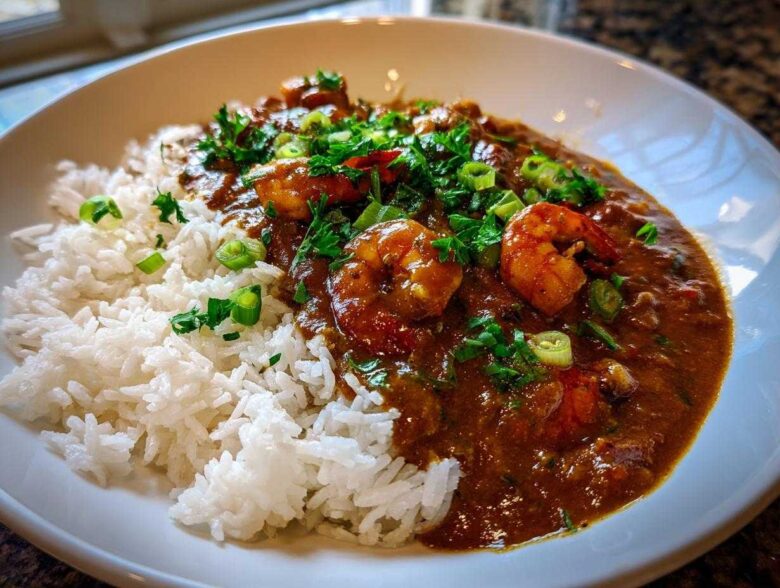
There is just something magical about Southern cooking, isn’t there? It’s slow, it’s soulful, and it’s made best when you’re not in a hurry. If you’ve been searching high and low for that unbelievably rich, spicy, and absolutely perfect **Creamy Crawfish Étouffée Louisiana Style** that tastes like it came straight out of a downtown New Orleans kitchen, then stop looking right now. You found it!
I spent years messing up my roux, turning it from beautiful chocolate brown into bitter, scorched sadness. Oops! But after too many pots ruined, I finally cracked the code. This recipe focuses on that slow, patient start—the dark roux—which is the soul of true étouffée. It gives the sauce that deep, unmistakable flavor you can only get when you really commit. Knowing how to make a fantastic roux is step one for so many great meals, kind of like how important it is for classic Louisiana red beans and rice. Trust me when I say once you nail that color, the rest is just assembly, and you’ll never look back. Get your rice ready; this is going to be good!
Why This is the Best Creamy Crawfish Étouffée Louisiana Style Recipe
You need this recipe because we aren’t cutting any corners here. This version delivers on exactly what you crave when you ask for **Creamy Crawfish Étouffée Louisiana Style**.
- We start with that deep, authentic dark roux—the secret to richness.
- The sauce is incredibly flavorful, thanks to building the trinity slowly.
- It hits that perfect balance of heat and savory seafood notes, just like Momma made.
If you love this kind of rich, spice-forward goodness, you absolutely have to check out my Cajun Shrimp in Garlic Butter Sauce next! It’s fantastic.
Essential Ingredients for Authentic Creamy Crawfish Étouffée Louisiana Style
You can’t fake this flavor, honey. The difference between good étouffée and the kind that makes you close your eyes and say ‘Mmmph’ is the quality of what you put in. Make sure you have everything ready to go before you light the burner because the roux process is a full-time job!
- 1 cup all-purpose flour
- 1 cup vegetable oil (This is key for the roux base, don’t swap it for butter here!)
- 2 cups chopped yellow onion (Your first part of the trinity)
- 1 cup chopped celery
- 1 cup chopped green bell pepper
- 4 cloves garlic, minced
- 6 cups seafood or vegetable stock (Stock makes the sauce rich!)
- 2 pounds peeled, cooked crawfish tails
- 1/2 cup chopped green onion tops (for garnish)
- 1/4 cup chopped fresh parsley (for garnish)
- 1 tablespoon Cajun seasoning blend (or to taste—you can grab my recommendation for a homemade Cajun spice blend if you need one!)
- 1 teaspoon dried thyme
- 1/2 teaspoon cayenne pepper (adjust for heat)
- Salt and black pepper to taste
- Cooked white rice, for serving
Ingredient Notes and Substitution Guidance
For the absolute best, most authentic flavor, make sure you use oil, not butter, for the roux. Butter burns too fast, and we need patience! The ‘trinity’—onion, celery, and bell pepper—must be chopped evenly so they cook down nicely into the sauce. When it comes to spice, that cayenne pepper is your friend! If you like it fiery, throw in a little extra, but taste as you go. If you truly can’t find crawfish, you can use shrimp for a **seafood étouffée recipe**, but it just won’t have that specific Louisiana charm, you know?
Step-by-Step Instructions for Traditional Louisiana Style Crawfish Étouffée
Okay, get ready because this is where the magic—and the commitment—happens. You need to treat these instructions like gold, especially the first one concerning the roux. If you walk away for even a minute to check your phone, you risk disaster! Have your veggies chopped, your stock measured, and your crawfish thawed and ready. This is what we call mise en place, and for Creole cooking, it’s non-negotiable!
- Make the roux: In a heavy-bottomed pot or Dutch oven—use cast iron if you have it!—combine the flour and oil over medium heat. You have to stir this constantly. I mean it, non-stop stirring for about 20 to 30 minutes until that mixture deepens to the color of rich milk chocolate. If you see smoke, back off the heat immediately!
- Add the trinity: Once you hit that perfect color, listen up, because the heat needs to drop down to medium-low. Toss in the chopped onion, celery, and bell pepper. Cook those down, stirring often, until they soften right up, which takes about 8 to 10 minutes.
- Add the garlic: Stir in the minced garlic and cook it for just 1 minute until you can really smell it. Don’t let it burn; that’ll make the whole dish bitter!
- Build the sauce: Now, here’s where we ease into the creaminess. Slowly whisk in the seafood stock, adding just a little at a time to make sure you get rid of any lumps left from the roux. Once it’s all in and whisked smooth, bring the whole thing up to a gentle simmer.
- Season: Stir in your Cajun seasoning, thyme, and that cayenne pepper. Add salt and pepper to taste—you’ll need some salt because the roux base is bland until seasoned. Let this étouffée just bubble gently, uncovered, for at least 30 minutes. It really needs that time to thicken up perfectly.
- Add crawfish: Fold those gorgeous crawfish tails in during the last 5 minutes of simmering. That’s all they need—just long enough to get hot. Overcooking them makes them rubbery, and nobody wants chewy crawfish!
- Serve: Taste it one last time for seasoning. Ladle that deeply flavorful, **rich crawfish stew with roux** generously over big mounds of hot white rice. Don’t forget the green onions and parsley right on top!
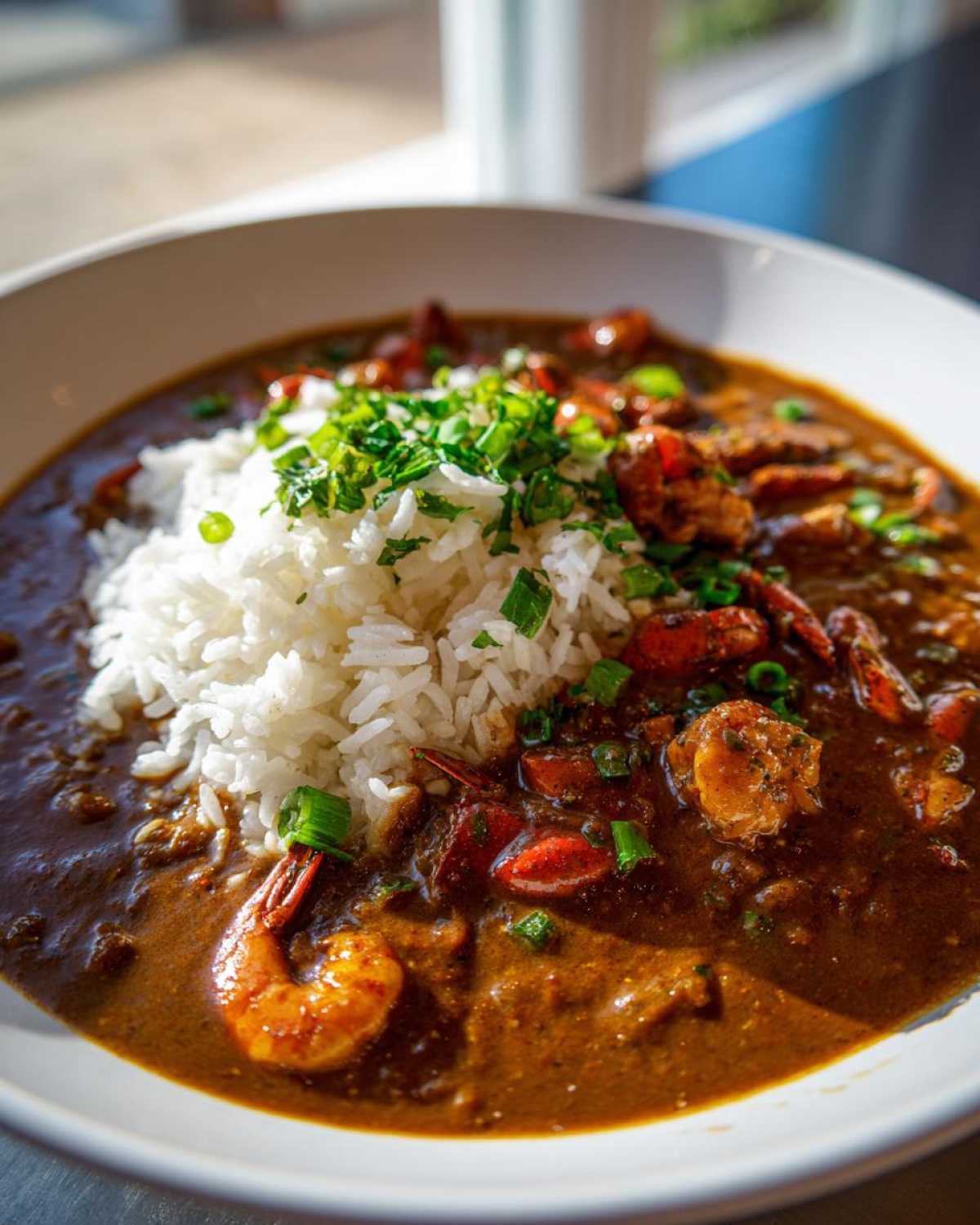
Mastering the Dark Roux for Rich Crawfish Étouffée Sauce
This might feel intimidating, but it’s really just about commitment. The roux is equal parts flour and fat, and the heat has to be steady. You are cooking the raw flour taste out, and that takes time and focus. I recommend setting aside the roux stage for when the kids are busy or when you can stand stirring without distraction. Your goal color is that deep, dark mahogany—truly milk chocolate or even darker, like a penny! Remember, if it burns, you have to dump it and start over. It’s hard to recover from a burnt roux, so patience is your best tool here for that **Traditional Cajun étouffée sauce**!
Simmering and Finishing Your Creamy Crawfish Étouffée
Once the stock is in and seasoned, the hard part is over! Now we let the flavors marry. That 30-minute simmer is necessary for the roux to completely dissolve and thicken the sauce to that classic étouffée consistency. It should coat the back of a spoon beautifully. When you finally fold in those crawfish tails, be gentle! They are already cooked, and we don’t want to toughen them up—we want maximum tenderness with that beautiful sauce. If you want to learn more about layering flavors, check out my guide on caramelizing onions, which uses similar low-and-slow techniques!
Tips for the Most Authentic Louisiana Style Crawfish Étouffée
You followed the steps, you nailed that dark roux—congratulations! But let me give you a few extra nuggets of wisdom I picked up over the years of making this dish for every party imaginable. These little secrets take the dish from ‘really good home cooking’ to ‘wow, where did you learn to cook like this?’
First tip: Don’t skimp on the stock. I used seafood stock here, and you absolutely should too if you can find it! Water just doesn’t carry the same depth of flavor you need when you’re building such a complex sauce. If you can only find vegetable stock, that’s fine, but try to find a really high-quality one. If you want to explore stock making more, check out my notes on making ultimate seafood soup stocks!
Second, texture check. The finished étouffée shouldn’t be soup, and it shouldn’t be paste! It should cling heavily to your rice. If you taste it after that 30-minute simmer and it feels too thin, don’t panic. Just let it continue simmering gently, uncovered, for another 10 or 15 minutes. It will continue to reduce and thicken beautifully.
My third, and perhaps most important, pro tip? Don’t stir the crawfish aggressively when you add them back in at the end. Those tails are delicate. Use a rubber spatula to *fold* them into the stew gently. We want them bathed in the sauce, not shredded by heavy stirring. It keeps the final product looking nice and tasting tender!
Serving Suggestions for Your Creamy Crawfish Étouffée Louisiana Style
You’ve just poured your heart and soul into that rich, spicy, dark-roux masterpiece, and now it’s time for the big presentation! You can’t just plop this incredible dish onto any old plate; it deserves its famous stage.
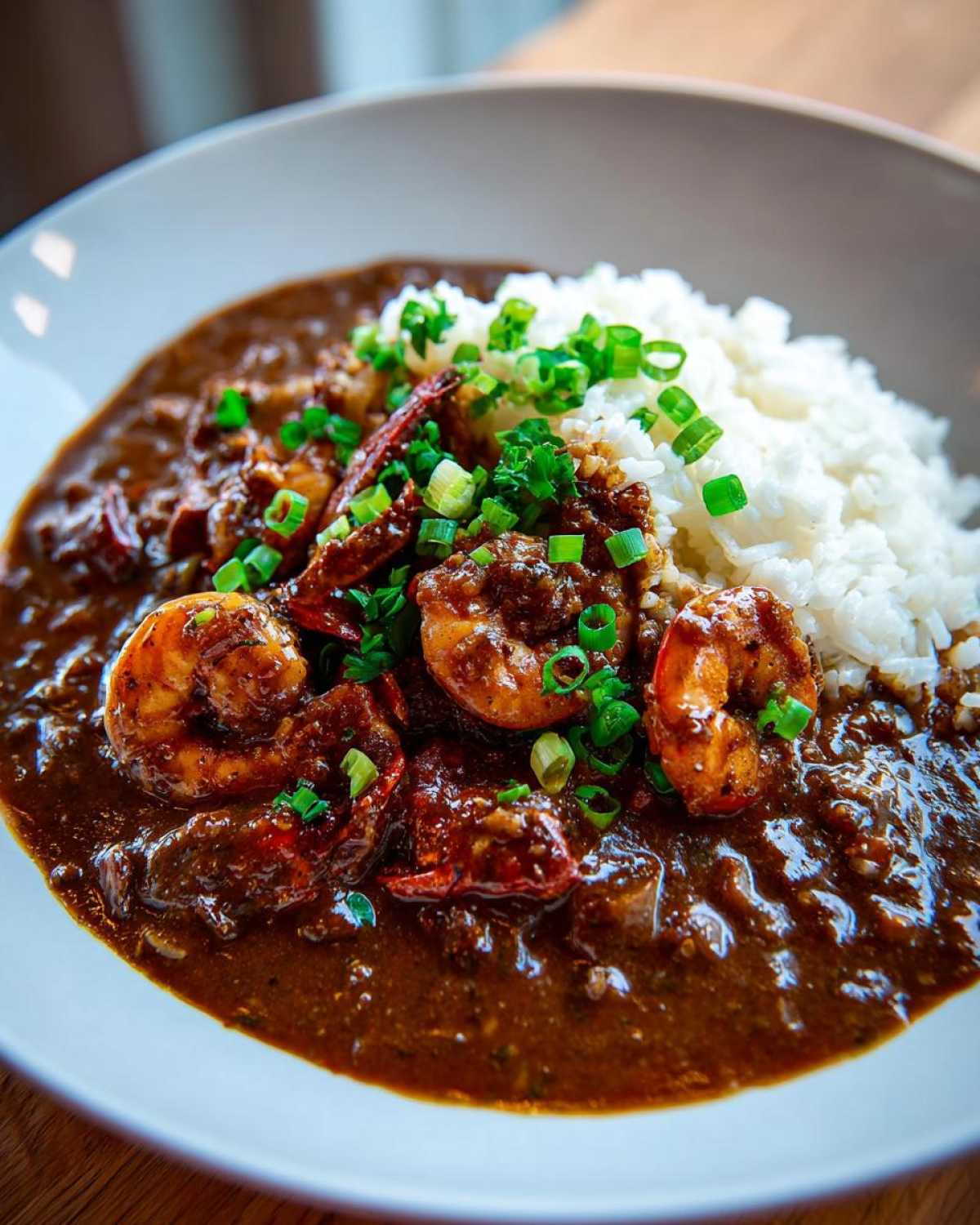
The absolute, non-negotiable best way to serve any authentic Louisiana étouffée is over a big mound of perfectly cooked, fluffy white rice. Seriously, this is the classic pairing for a reason. The rice soaks up all that gorgeous, creamy sauce—it’s the best part! Make sure your rice is steaming hot when you ladle the étouffée over it. That starchy base is essential for cutting through the richness of that dark roux.
But what if you want a little something extra on the side? I usually keep things simple because the étouffée is the star. A side of crusty French bread is fantastic for dipping up every last bit of sauce left on your bowl. If you want to find a simple recipe to make at home, check out my thoughts on making easy crusty bread—it’s surprisingly simple!
If you felt like you added a lot of cayenne and need to cool things down slightly, a very simple side salad with a light vinaigrette works wonders to balance the palate between bites. But honestly, when I make this **Creamy Crawfish Étouffée Louisiana Style**, I usually just make extra rice and don’t worry about anything else. It’s comfort food at its finest!
Storage and Reheating of Homemade Crawfish Étouffée
Listen, I know you’ll probably finish the whole pot because it’s just that good, but in the rare case you have leftovers of your **homemade crawfish étouffée**, we need to handle them right! You worked too hard on that dark roux to ruin it by reheating it incorrectly. This dish, being so rich, actually tastes even better the next day when all those spices have had time to really get to know each other.
For storage, put any leftovers into an airtight container. Don’t leave it sitting out! You’ve got seafood in there, so get it into the fridge within two hours of finishing dinner. It should last safely in there for about three to four days. If you need to keep it longer, freeze it! Étouffée freezes wonderfully, just make sure you use a quality freezer bag or container.
Now, reheating is key. When you go to warm it up, please, please, please, remember those crawfish!
- If you are reheating small portions from the fridge, use the stovetop over low to medium-low heat. You want it to warm slowly, stirring often. Don’t let it reach a rolling boil! Boiling the sauce makes the roux seize up sometimes, and it toughens those delicate tails.
- If you are reheating from frozen, thaw it overnight in the fridge first. Then, reheat gently on the stovetop. If it seems a little thick after thawing, you can add a splash of extra seafood stock or even just water to get that perfect consistency back.
Never aggressively microwave your étouffée, or you risk rubbery crawfish. Low and slow is the mantra for reheating any good Cajun stew!
Frequently Asked Questions About Creamy Crawfish Étouffée
I know you might have a few questions swirling around, especially if you’re new to making **traditional Cajun étouffée sauce**. Making a dark roux can feel scary, but I promise, once you try it, you’ll see it’s worth every second of stirring. Here are the things people ask me the most when they try this recipe!
Can I make this Louisiana style crawfish étouffée without a roux?
Oh, honey, you *could*, but I really wouldn’t recommend it if you want the authentic experience. The roux isn’t just for thickening; it’s where all the deep, nutty, slightly sweet flavor comes from. That color is the flavor! If you are in a *major* pinch and just can’t stir that long, you could try whisking a cornstarch slurry (one tablespoon of cornstarch mixed with two tablespoons of cold water) into the simmering stock near the end. But listen, that slurry will give you a glossy, thin-looking sauce, and it will miss that deep, savory foundation of true **Louisiana style crawfish étouffée**. It just won’t be the same rich texture we’re aiming for!
How spicy is this traditional Cajun étouffée sauce?
That’s totally up to you, bless your heart! I put in 1/2 teaspoon of cayenne pepper, and for my taste, that gives it a nice, warm kick at the end—it’s spicy but not painful. If you love fire, or if you’re serving this to a crowd that loves heat, go ahead and double that cayenne! If you want to keep it mild so the kids can eat it, use only a tiny pinch, or leave the cayenne out entirely and just rely on the spice blend for flavor.
What is the difference between étouffée and gumbo?
That’s a great question that gets right to the heart of **Classic Creole cooking recipes**! The biggest difference is the liquid base and the thickness. Gumbo is usually thinner; it’s more of a soup you eat with rice, and it’s often thickened with okra or filé powder. Étouffée, which means “smothered,” is much thicker—it’s a rich, creamy stew that heavily coats the protein, which is why it relies so heavily on that dark roux. They are both amazing **Deep southern comfort food**, but étouffée is tighter, richer, and focused entirely on the shrimp or crawfish!
Can I use shrimp instead of crawfish?
I get this question a lot! Yes, you absolutely can make a **seafood étouffée recipe** using shrimp. Shrimp is much easier to find year-round. However, crawfish have a very distinct, slightly sweeter, more earthy flavor profile than shrimp. If you use shrimp, make sure you use good quality, large shrimp, and only cook them for 3 or 4 minutes max until they are just pink. It’s a fantastic substitute, but know that the flavor will shift a bit!
What kind of rice should I use for serving étouffée over rice?
You want plain, fluffy white rice, period. Long-grain white rice is perfect because it stays light and separates well, so it soaks up the sauce without getting gummy. Avoid super sticky rice varieties! I always make sure my rice is fresh out of the cooker right when the étouffée is done simmering. If you need a foolproof method, you can check out my primer on easy seafood recipes which always has a basic rice guide!
Estimated Nutritional Data for Creamy Crawfish Étouffée
I know when you’re making something this rich and soulful, you’re probably not worried about calories, but I do like to keep track just so I know what I’m getting into! Remember, this data is just an estimate because the exact amount of oil absorbed by the roux, and the flavor intensity of your stock, can change things.
These numbers are based on one generous serving of the étouffée, but keep in mind, this estimate **does not include the big scoop of white rice** we talked about serving it over! That rice is going to add significant carbs and calories, so factor that in if you’re counting portions.
Here’s the breakdown based on the recipe above:
- Serving Size: 1 serving (without rice)
- Calories: 550
- Fat: 35 grams
- Saturated Fat: 6 grams
- Protein: 35 grams
- Carbohydrates: 30 grams
- Fiber: 3 grams
- Sugar: 3 grams
- Cholesterol: 250 mg
- Sodium: 750 mg (This varies wildly depending on your salt and spice blend!)
See? A good amount of protein in there, thanks to those crawfish! It’s a whole meal in a bowl once you add that rice. It’s truly a fantastic example of **deep southern comfort food** that packs a serious flavor punch!
Share Your Creamy Crawfish Étouffée Louisiana Style Experience
Well, you did it! You took the plunge, you stirred that roux until your arm ached, and now you have a pot of the most authentic, **Creamy Crawfish Étouffée Louisiana Style** you’ve ever made at home. I’m so proud of you for tackling the dark roux—that’s the mark of a true Louisiana cook right there!
I absolutely want to hear all about it! Did you manage to hit that beautiful milk chocolate color with your roux on the first try, or did you have to start over like I did a hundred times? Tell me if you went heavy on the cayenne or kept it mild!
Please take a moment to rate this recipe below using the star system. And if you have a minute, leave me a comment sharing the little triumphs and lessons you learned while making this **traditional Cajun étouffée sauce**. I read every single one, and it helps me make sure I’m teaching you the best ways to create these amazing meals. Happy eating, y’all!
If you want to see what else I’m cooking up this week, you can always wander over to the main blog page for more tasty inspiration!
PrintAuthentic Creamy Louisiana Style Crawfish Étouffée Recipe

Follow this detailed recipe to prepare a rich and creamy crawfish étouffée using traditional Louisiana cooking methods, featuring a dark roux base and proper seasoning.
- Prep Time: 20 min
- Cook Time: 50 min
- Total Time: 70 min
- Yield: 4 servings
- Category: Main Course
- Method: Stovetop Simmering
- Cuisine: Cajun/Creole
- Diet: Low Lactose
Ingredients
- 1 cup all-purpose flour
- 1 cup vegetable oil
- 2 cups chopped yellow onion
- 1 cup chopped celery
- 1 cup chopped green bell pepper
- 4 cloves garlic, minced
- 6 cups seafood or vegetable stock
- 2 pounds peeled, cooked crawfish tails
- 1/2 cup chopped green onion tops (for garnish)
- 1/4 cup chopped fresh parsley (for garnish)
- 1 tablespoon Cajun seasoning blend (or to taste)
- 1 teaspoon dried thyme
- 1/2 teaspoon cayenne pepper (adjust for heat)
- Salt and black pepper to taste
- Cooked white rice, for serving
Instructions
- Make the roux: In a heavy-bottomed pot or Dutch oven, combine the flour and oil over medium heat. Stir constantly until the mixture darkens to the color of milk chocolate. This takes patience, about 20 to 30 minutes. Do not let it burn.
- Add the trinity: Reduce the heat to medium-low. Add the chopped onion, celery, and bell pepper to the roux. Cook, stirring often, until the vegetables soften, about 8 to 10 minutes.
- Add the garlic: Stir in the minced garlic and cook for 1 minute until fragrant.
- Build the sauce: Gradually whisk in the seafood stock, ensuring no lumps form. Bring the mixture to a simmer.
- Season: Stir in the Cajun seasoning, thyme, and cayenne pepper. Season with salt and black pepper. Let the étouffée simmer gently, uncovered, for at least 30 minutes, stirring occasionally so it does not stick. The sauce will thicken.
- Add crawfish: Gently fold in the cooked crawfish tails during the last 5 minutes of simmering. Heat them through, but avoid overcooking.
- Serve: Taste and adjust seasoning if needed. Ladle the creamy étouffée generously over mounds of hot white rice. Garnish with fresh green onion tops and parsley.
Notes
- For the best flavor, use fresh crawfish tails if available. If using frozen, thaw them completely and drain off excess liquid before adding them to the pot.
- The color of your roux determines the depth of flavor; aim for a dark brown color for authentic Louisiana style.
- Adjust the amount of cayenne pepper based on your preference for spiciness.
Nutrition
- Serving Size: 1 serving (without rice)
- Calories: 550
- Sugar: 3
- Sodium: 750
- Fat: 35
- Saturated Fat: 6
- Unsaturated Fat: 29
- Trans Fat: 0
- Carbohydrates: 30
- Fiber: 3
- Protein: 35
- Cholesterol: 250