

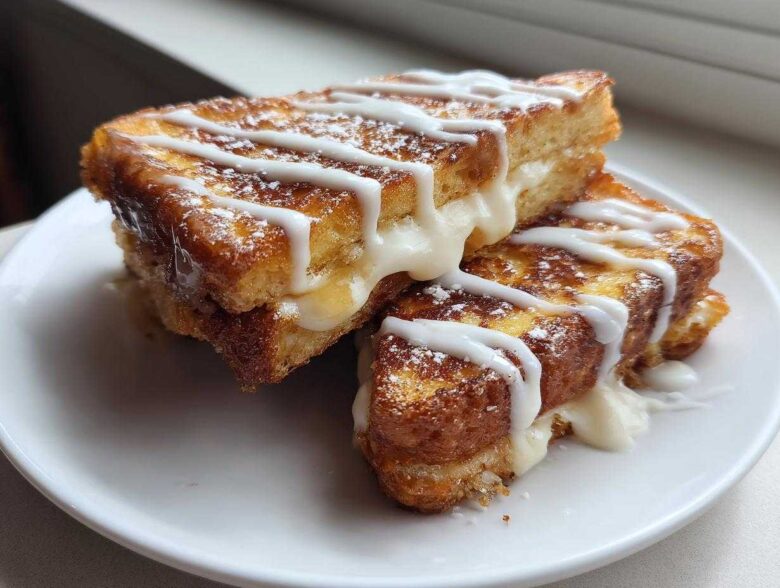
Sometimes, nothing else will do except that specific kind of street food magic—that moment when you bite into something undeniably decadent. For me, that’s the Hong Kong Style French Toast, or as the pros call it, Sai Do Si. Forget those thin, floppy slices you make on a Sunday morning; we are talking about a totally different beast here!
I spent ages trying to capture the perfection I once had from a tiny stall tucked away in Mong Kok. The goal? That stunning contrast: an almost shattering outer crust that gives way to an interior that is unbelievably fluffy and warm. This recipe nails that feeling, delivering the **Hong Kong Style French Toast Decadent Street Food Delight** we all crave, thanks to my perfected double-fry method. Trust me, once you try this, you won’t go back to the standard stuff!
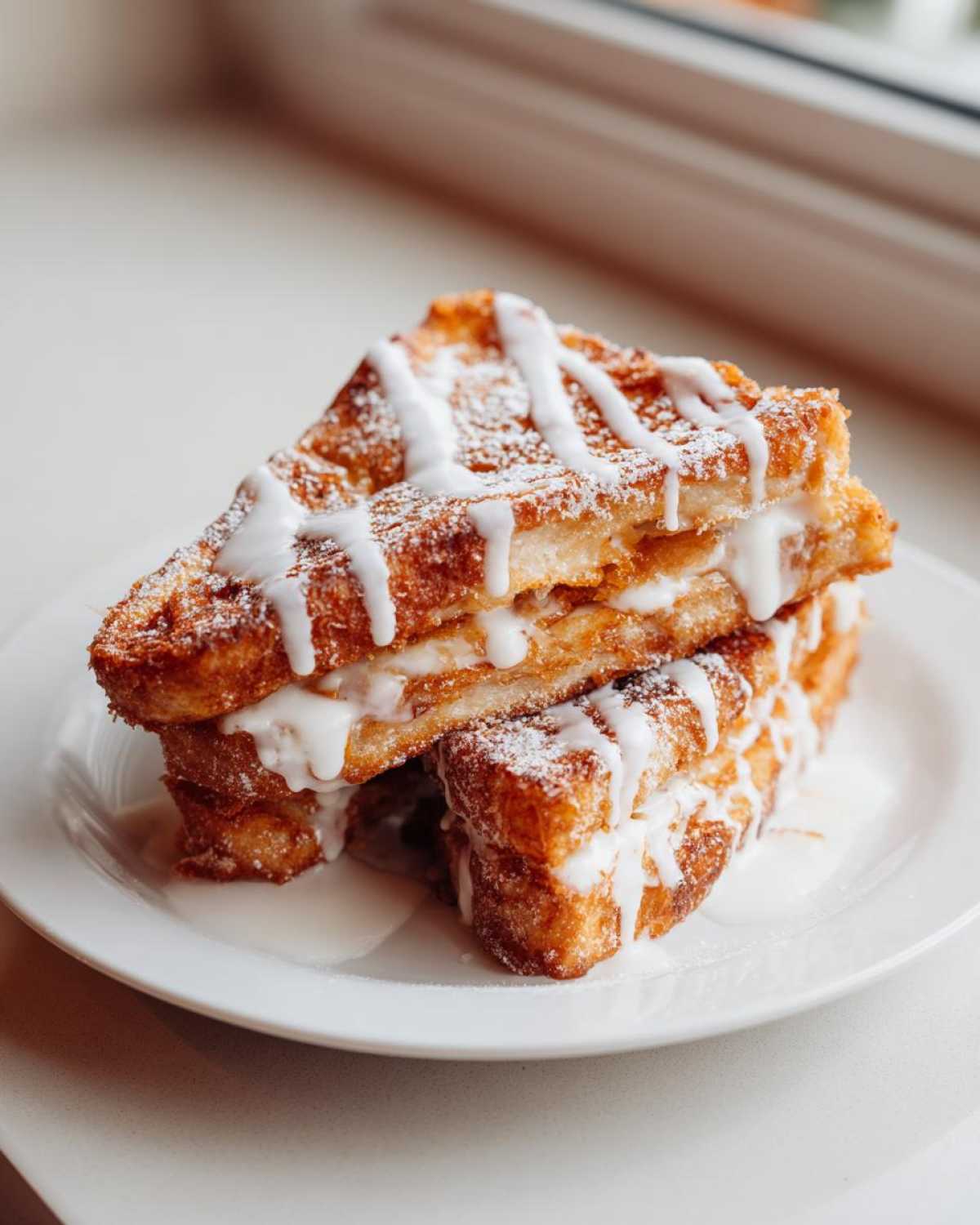
Why This Hong Kong Style French Toast Decadent Street Food Delight Stands Apart
When you order this classic Cantonese style breakfast item, you know you’re getting something special. It’s not just bread dipped in egg, folks! This recipe is all about building layers of texture and richness that you just don’t find in your average eggy bread. I want you to achieve that true street vendor texture. If you’re looking for more indulgent breakfast ideas, check out my main breakfast category for more treats!
The Signature Double Fried French Toast Method
This is the secret sauce, honestly. That shatteringly crisp exterior that stays perfect for more than five minutes? That only comes from the double fried French toast method. We essentially cook it gently first, then blast it fast to seal in the magic. It’s the key to that fluffy interior you want.
Essential Components for Decadent Flavor
It boils down to thickness and toppings. We skip the thin sandwich bread entirely for thick cut French toast tutorial materials—milk bread is king here! And then, you drown it. We’re talking real butter melting into the hot toast, followed by that necessary pour of sweetened condensed milk. That’s what makes it a genuine **Hong Kong Style French Toast Decadent Street Food Delight**.
Gathering Ingredients for Authentic Hong Kong Style French Toast Decadent Street Food Delight
Okay, time to assemble our haul! You can’t skimp on ingredients if you want that true restaurant style Hong Kong toast experience. Remember, the quality of the bread really sets the stage for this whole production, so grab the thickest stuff you can find. If you’re looking for other quick breakfast ideas, I have a few fun ones over on my easy French toast recipe guide.
Bread and Egg Soak Essentials
You need four slices of super thick white bread—think soft milk bread or Texas toast, nothing too spongy. For the soak, grab two large eggs and beat them just lightly. We mix that with exactly two tablespoons of regular milk. This mixture needs to bathe the bread, but not absolutely drown it.
The Peanut Butter Stuffed Toast Layer
This part makes it an extra special treat! We’re making stuffed sandwiches as part of our peanut butter stuffed toast preparation. You’ll need one tablespoon of smooth or crunchy peanut butter. Spread it evenly on one slice, top it with another, and press those edges tight—that’s going to keep the peanut butter inside while we fry!
Step-by-Step Sai Do Si Preparation: How to Make Crispy Street Toast
This is where the magic happens, and honestly, oil management is like conducting an orchestra—everything has to happen at the right time and temperature. If you’ve ever gotten soggy French toast, it was probably because the oil wasn’t hot enough, or they skipped the second blast! Before we even touch the oil, we have to prep our bread foundation. Take all four slices and slice off those crusts—this is classic for that smooth eat.
Assembling and Soaking the Hong Kong Style French Toast Decadent Street Food Delight
If you’re making the peanut butter stuffed version—and you totally should—now is the time to build those sandwiches! Spread your tablespoon of peanut butter onto one slice and seal it up with another, pressing the edges gently. Next, we prepare the dip. In a shallow dish, whisk those two eggs together with the milk until they’re just combined. Don’t beat them into a foam! Dip each sandwich completely, making sure it soaks up some liquid goodness, but pull it out before it starts weeping batter. We want saturation, not sogginess!
Mastering the Double Fry Technique for Golden Brown French Toast Secrets
This is the crucial part for achieving those **golden brown French toast secrets**. Fill a deep skillet or wok with about an inch of vegetable oil. Heat it up until it hits 325°F (160°C). Carefully place your egg-soaked treats in—don’t crowd the pan, please! Fry them for about 2 to 3 minutes per side until they hit a pale, light golden color. This is the setting fry. Pull them out and let them drain on paper towels for just a moment.
Now for the temperature spike! Crank that heat up until the oil hits a solid 350°F (175°C). Return the par-cooked toast to that much hotter oil. Fry for just one or two minutes more per side until they are deep golden brown and extremely crisp. Seriously, this quick, hot second fry creates the ultimate texture that separates this recipe from all others. I learned from frying wings that maintaining that proper oil temp is everything, so try to keep up with it!
When they come out the second time, place them on a wire rack over paper towels. This bit is important—it lets the oil drain perfectly and keeps the bottom from steaming itself soft. For more tips on high-heat frying techniques, check out my guide on Korean fried chicken—the heat management is the same!
Finishing Touches for the Ultimate Decadent Toast
Whew! They are out of the oil bath, and now we rush to that final, glorious stage. This is where we turn perfectly fried bread into the **Ultimate Decadent Toast** experience. Remember, the contrast between the hot, crisp exterior and the warm, gooey filling (if you stuffed it!) is what we are aiming for. Don’t let these sit around, or they lose that street vendor snap!
Applying Butter and Cutting for Presentation
As soon as those crispy triangles hit the wire rack, you need to grab your softened butter. I use about half a tablespoon per piece while they are still screaming hot. The butter melts instantly and seeps right into those little crevices, adding that essential richness. Once they’ve soaked for maybe 30 seconds, flip them and butter the other side, too! Then, grab a sharp knife and cut each stuffed sandwich diagonally into two perfect triangles. Don’t fiddle around; get them cut so the toppings can penetrate evenly.
The Best Condensed Milk Topping Recipe Application
This is the moment you turn it into a true **Hong Kong Style French Toast Decadent Street Food Delight**. You need that sweetened condensed milk—don’t skimp! Drizzle it generously over the top of the hot, buttered toast. It instantly starts soaking in just a little, creating that sticky sweetness we all love. It’s intensely rich, so a little goes a long way, but with this dish, I always say “more is more!”
Serve them immediately, cut-side up, on a plate. I always offer maple syrup or golden syrup on the side because some people like an extra slick coat of sweetness, but that condensed milk drizzle is non-negotiable for authenticity. If you want to explore more sweet sauces, I have a fantastic guide for homemade chocolate sauce recipe that works well if you skip the peanut butter filling!
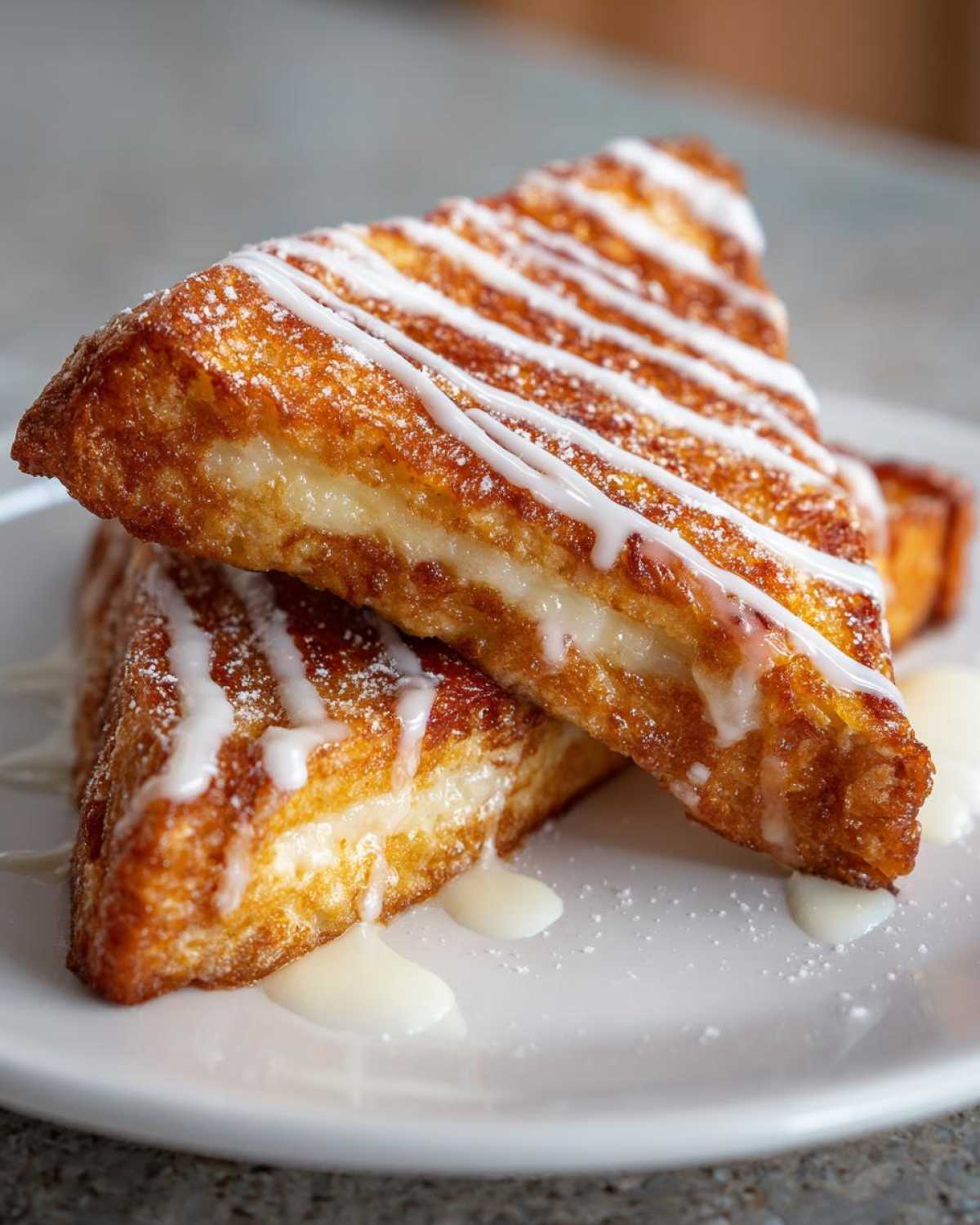
Tips for Success: Achieving Restaurant Style Hong Kong Toast
Look, I’ve wrestled this recipe into submission over the years, and I’ve got a few hard-won lessons for you so you don’t end up with sad, flabby toast. Following the steps is one thing, but dialing in the technique is how you get that true **restaurant style Hong Kong toast** flavor and texture.
First up: the oil consistency. My biggest mistake when I first tried this was not respecting the temperature jump between the first and second fry. I once got impatient during the first fry and cranked the heat up too high, too fast. The outside burned almost instantly, and the inside was still cold! You must keep that first fry low enough (325°F) to cook the thick bread all the way through before you crisp it up.
Second tip: Drain on a rack, NOT paper towels alone. Those paper towels look nice, but the residual heat steams the bottom of the toast, making it soggy right when you pull it out. If you set them on a wire rack over a layer of paper towels, the air circulates, and that beautiful crust stays intact. It’s a small adjustment, but it makes a huge difference in that final snap!
Third, go thick! I cannot stress this enough. If you use standard supermarket sandwich bread, it will just collapse under the egg wash and the oil. You absolutely need that thick cut French toast tutorial bread base, or it won’t hold that rich interior fluffiness. I use milk bread, but even standard thick Texas toast works well if you get the right slice thickness.
Finally, eat it NOW. Seriously, don’t treat this like a make-ahead brunch item. The entire experience hinges on that temperature contrast: the molten butter and condensed milk melting into the piping-hot, incredibly crisp bread. If you’re making this for a crowd, do small batches right before serving. If you need some inspiration for what to make when you aren’t deep-frying, check out my guide on making the best soft, chewy cookies—sometimes you just need a simpler treat!
Ingredient Notes and Substitutions for Hong Kong Style French Toast
I get so many questions about ingredient swaps for this recipe, and honestly, while perfection lies in the original method, sometimes we need to improvise based on what we have. The key here is understanding what each main component actually *does* for the final product, especially since we are going for that **Hong Kong Style French Toast Decadent Street Food Delight** experience. If you’re looking for something totally different but still tropical, my easy coconut soup recipe is a must-try after this heavy breakfast!
The bread is the most important player, naturally. If you absolutely cannot find milk bread or Texas toast, you need the thickest, softest white bread possible. Think about grabbing a whole loaf and just cutting two slices from the very center—those are usually the thickest. Just avoid anything too holey, like sourdough or an artisan loaf, because the structure just crumbles when you try to seal the peanut butter sandwich.
Now, regarding the egg wash: I listed milk, but if you want something even richer, just swap that milk out for half-and-half or even heavy cream. It won’t change the texture dramatically, but it does make the final coating just a tad silkier before it fries up. Remember, we aren’t looking for a thick batter; we want a quick dip, so don’t alter the egg ratio too much!
As for the toppings? Stick to the classic lineup if you can. Sweetened condensed milk is simply irreplaceable for that distinct Cantonese style breakfast flavor. You could try whole milk mixed with tons of sugar as a *very* desperate substitute, but it just won’t gel the same way. And please, use real unsalted butter for that final melt. Margarine just tastes weird when it hits that hot toast!
Serving Suggestions for Cantonese Style Breakfast
So you’ve nailed the perfect, crispy, decadent treat. Now what do you drink with this masterpiece? You can’t just have a rich, buttery, condensed-milk-covered delight sitting there naked on the plate! To make this a truly authentic Cantonese style breakfast experience, you need the right sidekick beverage to cut through all that richness. It’s all about balance, even in decadence.
The absolute classic pairing you’ll find in any Hong Kong cafe, or cha chaan teng, is either hot milk tea or coffee mixed with milk—sometimes both in one cup! That strong, slightly bitter tea or coffee infusion is the perfect palate cleanser. It snaps your tongue back to neutral just enough so you can dive back into that sweet, fried deliciousness.
If you’re making this for a modern brunch spread, I suggest serving it alongside some fresh, brightly acidic fruit. Maybe some sliced mango or strawberries—something to give your mouth a break from the indulgence! And if you aren’t into hot drinks, you absolutely must try making your own cold brew to go alongside. I’ve got my foolproof homemade cold brew coffee guide if you need a refreshing, less acidic pick-me-up!
We usually serve this as a standalone treat, but truthfully, if you’re making a big spread, a small side of scrambled eggs works nicely to bring savory balance to this wonderfully sweet Asian street food breakfast.
Storage and Reheating Instructions for Leftover Decadent Toast
Okay, let’s be real. If you manage to have leftovers of this **Hong Kong Style French Toast Decadent Street Food Delight**, you are a domestic god or goddess, because my family devours it instantly! But if, by some miracle, you have a piece remaining, you have to handle it delicately. Remember, this toast is deep-fried once, then deep-fried again for crispness. Microwaving it is a cardinal sin—it will steam the crust into a rubbery disaster, trust me!
If you must store it, let it cool completely on a wire rack first, then place it in an airtight container and pop it in the fridge. It’s best eaten the day you make it, but it usually lasts okay for a day or two.
For reheating, we are aiming to restore that perfect exterior snap. Forget the microwave! You need dry, consistent heat. The best way is in the air fryer or in a regular oven. If you’re using an oven, set it to about 350°F (175°C) and warm it for about 5 to 7 minutes, just watching it carefully. If you have an air fryer, that’s even better—use the air fryer settings as a guide; about 350°F for 3 minutes usually crisps it right back up. Don’t reheat it topped with condensed milk; add that fresh right before serving!
Frequently Asked Questions About Sai Do Si Preparation
Can I bake or air fry Hong Kong Style French Toast instead of deep frying?
You certainly *can* try, and it makes for a much healthier version of eggy bread street vendor style, but you lose that authentic texture! Baking or air frying will make the outside golden and crunchy, yes, but it won’t achieve that specific deep, shattered crispiness that comes from the double oil bath. It’ll be good, but it won’t be the true **Hong Kong Style French Toast Decadent Street Food Delight**. If you try it, make sure to brush the top generously with oil first!
What is the best bread to use for this thick cut French toast tutorial?
We are looking for soft, sturdy structure. The best option is Asian milk bread, which is famously soft but surprisingly dense once soaked. Second best is standard Texas toast, provided it’s cut thick—aim for at least 3/4 inch to an inch thick per slice. Thin bread collapses easily and won’t give you that fluffy interior we are after in this Hong Kong French Toast recipe.
Is the peanut butter filling mandatory for this decadent brunch idea?
No, it’s not mandatory, but it’s what pushes this over the top into true decadence! Traditional street vendors often serve it plain, just butter, condensed milk, and syrup. However, the peanut butter adds that savory, nutty depth that balances the extreme sweetness of the condensed milk. If you skip the peanut butter, you are making a classic version, which is still delicious, but slightly less a **Decadent Street Food Delight**!
Storage and Reheating Instructions for Leftover Decadent Toast
Okay, let’s be real. If you manage to have leftovers of this **Hong Kong Style French Toast Decadent Street Food Delight**, you are a domestic god or goddess, because my family devours it instantly! But if, by some miracle, you have a piece remaining, you have to handle it delicately. Remember, this toast is deep-fried once, then deep-fried again for crispness. Microwaving it is a cardinal sin—it will steam the crust into a rubbery disaster, trust me!
If you must store it, let it cool completely on a wire rack first, then place it in an airtight container and pop it in the fridge. It’s best eaten the day you make it, but it usually lasts okay for a day or two.
For reheating, we are aiming to restore that perfect exterior snap. Forget the microwave! You need dry, consistent heat. The best way is in the air fryer or in a regular oven. If you’re using an oven, set it to about 350°F (175°C) and warm it for about 5 to 7 minutes, just watching it carefully. If you have an air fryer, that’s even better—use the air fryer settings as a guide; about 350°F for 3 minutes usually crisps it right back up. Don’t reheat it topped with condensed milk; add that fresh right before serving!
Frequently Asked Questions About Sai Do Si Preparation
I know you’re going to have questions, because trying to nail that perfect street food texture takes a little finesse! While this recipe is meant to give you the best **Hong Kong French Toast recipe** available outside of a little shop counter, sometimes little snags come up. Don’t sweat it! That’s why I’m here to help you troubleshoot.
Can I bake or air fry Hong Kong Style French Toast instead of deep frying?
Look, I totally get the hesitation about deep frying. I really do! But if you want that true **crispy street toast** texture—that delicate, almost shattering crust—you need the oil. Baking or air frying will get you crispy edges, sure, but it ends up feeling drier, more like oven toast. The double-fry method is essential for fluffiness inside and that signature crisp outside. If you absolutely must skip the oil, just brush heavily with regular butter before air frying at 375°F! Just know it won’t be the same **Sai Do Si preparation** experience.
What is the best bread to use for this thick cut French toast tutorial?
This is a huge one! The bread needs to be hearty enough to handle being drenched in egg wash and then subjected to extremely hot oil twice. You want bread at least 3/4-inch thick. The absolute best bread for this is soft, sturdy Asian milk bread. If you can’t find that, grab **Texas toast** if it’s thick enough, or basically just buy a loaf of soft white bread and cut two slices right from the very center—those are usually the plumpest pieces. Anything too airy, like Italian bread, will soak up too much oil before you even seal the sandwich!
How do I stop my peanut butter filling from oozing out?
Ah, the great ooze! This happens if you aren’t sealing those edges tight enough before the egg bath. After you make your peanut butter stuffed toast sandwich, really use your fingers or the flat side of a knife to press the edges together hard. We are trying to create a little seam. If you still have issues, try using a tiny bit of the egg wash mixture—almost like glue—to seal the perimeter before you dip the whole sandwich in the bath. This keeps your filling locked in for that perfect **peanut butter stuffed toast** reveal when you cut it!
If you have any other burning questions about perfecting your **Cantonese style breakfast**, don’t hesitate to reach out via my contact page!
PrintAuthentic Hong Kong Style French Toast: The Ultimate Street Food Double-Fried Delight

Make rich, crispy Hong Kong style French toast (Sai Do Si) at home. This recipe focuses on achieving the signature thick, fluffy interior and perfectly golden, crisp exterior using a double-fry method.
- Prep Time: 10 min
- Cook Time: 10 min
- Total Time: 20 min
- Yield: 2 servings
- Category: Breakfast
- Method: Deep Frying
- Cuisine: Cantonese
- Diet: Vegetarian
Ingredients
- 4 slices thick white bread (like milk bread or Texas toast)
- 2 large eggs, lightly beaten
- 2 tablespoons milk
- 1 tablespoon peanut butter (smooth or crunchy)
- 2 tablespoons unsalted butter, softened
- Vegetable oil, for frying
- 2 tablespoons unsalted butter, for finishing
- 2 tablespoons sweetened condensed milk, for topping
- Maple syrup or golden syrup, for serving
Instructions
- Cut the crusts off the four slices of bread.
- If making a peanut butter filling, spread peanut butter evenly on one side of two bread slices. Place the remaining two slices on top to create two sandwiches. Gently press the edges to seal.
- In a shallow dish, whisk together the eggs and milk.
- Dip each sandwich completely into the egg mixture, allowing the bread to soak up some liquid without becoming soggy.
- Heat about 1 inch of vegetable oil in a deep skillet or wok over medium heat until it reaches 325°F (160°C).
- Carefully place the egg-soaked sandwiches into the hot oil. Fry for 2 to 3 minutes per side until light golden brown. This is the first fry. Remove and drain briefly on paper towels.
- Increase the oil temperature to 350°F (175°C). Return the partially cooked toast to the hot oil. Fry for another 1 to 2 minutes per side until deep golden brown and very crisp. This double-fry method creates the signature texture.
- Remove the toast and drain thoroughly on a wire rack set over paper towels.
- While the toast is still hot, spread 1/2 tablespoon of softened butter on top of each piece.
- Cut each piece diagonally into two triangles.
- Place the toast triangles on a serving plate. Drizzle generously with sweetened condensed milk and serve immediately with syrup on the side.
Notes
- Use very thick-cut bread for the best interior fluffiness.
- Do not overcrowd the pan during frying; fry in batches if necessary to maintain oil temperature.
- For extra richness, you can substitute half-and-half for the milk in the egg wash.
Nutrition
- Serving Size: 2 triangles
- Calories: 550
- Sugar: 35
- Sodium: 450
- Fat: 35
- Saturated Fat: 15
- Unsaturated Fat: 20
- Trans Fat: 0
- Carbohydrates: 45
- Fiber: 2
- Protein: 15
- Cholesterol: 180