

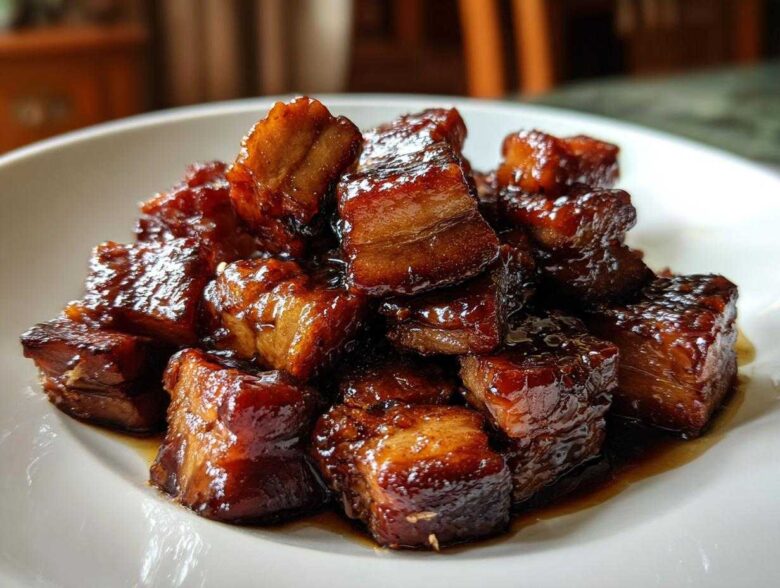
Oh my goodness, folks, are you ready for indulgence? Nothing beats that moment when you scoop up a spoonful of rich, pillow-soft meat coated in the deepest, shiniest sauce you’ve ever seen. That’s what we’re making today: truly perfect caramelized pork belly. I first tasted this dish years ago on a trip to Vietnam, and I basically dedicated the next year of my kitchen experiments to recreating that incredible balance of sweet and salty. Forget fussy, complicated sauces; the absolute magic in this authentic thit kho comes down to just one simple thing—a homemade caramel that coats every single cube. Trust me, you’ll want to pin this one for your next special occasion dinner!
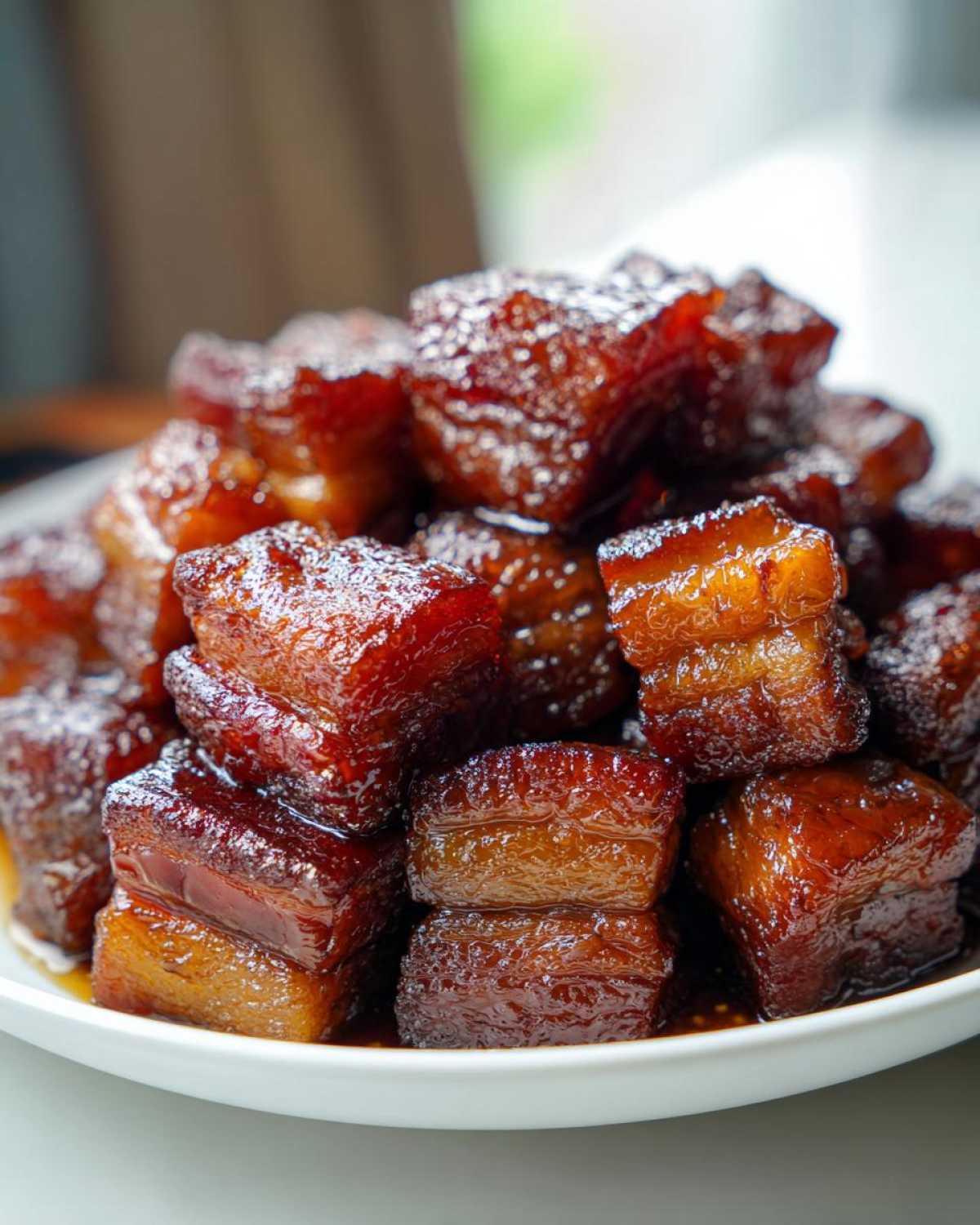
Why You Will Love This Caramelized Pork Belly Recipe
Why mess around with boring weeknight dinners when you can have this in your rotation? Seriously, this Vietnamese pork belly recipe is the definition of comfort food elevated. It’s so worth the little bit of time you spend letting it simmer away!
- The Meat is Melt-in-Your-Mouth Tender: We braise it low and slow until the fat renders perfectly and the meat just falls apart when you look at it funny.
- That Glossy, Unforgettable Sauce: Achieving that rich, dark color with an easy caramel sauce is simpler than you think, giving you that signature sticky glaze that begs for rice.
- The Perfect Sweet Salty Braise: It hits all the notes—savory from the fish sauce, deep and earthy, perfectly balanced by that initial burst of caramelized sugar.
- Great for Make-Ahead Meals: This is one of those amazing Asian pork recipes that tastes even better the next day. Make it Saturday, eat it Sunday night!
- It Looks Fancy, But It’s Easy: Even though it’s perfect for a special occasion dinner, the steps are straightforward. We only use one pot for the main braise!
- Ideal for Your Next Rice Bowl Pork: Serve it over steaming white rice (that soaks up all that delicious sauce) and you’ve got dinner perfection.
Ingredients for Perfect Caramelized Pork Belly
I keep this list super simple because, honestly, the flavor does all the heavy lifting later. When you’re dealing with an ingredient as rich as pork belly, you don’t need twenty different things splashing around in the pot. Quality matters here, especially with the fish sauce—don’t go for the cheapest stuff; you want one that has a nice, deep umami punch to stand up to the sugar.
Here’s exactly what you’ll need for about four hungry people:
- About 2 lbs of beautiful pork belly, and make sure you ask your butcher to cut it into nice, hearty 1.5-inch cubes. You want substance!
- We need 1/4 cup of good, strong fish sauce for that essential salty base.
- For the initial marinade, grab 1 tablespoon of regular granulated sugar. This helps tenderize things slightly.
- You will need 1/2 cup of plain water to start the braising liquid.
- Crucially, 1/4 cup of granulated sugar specifically reserved for making that intense caramel at the beginning. Don’t mix this up with the marinade sugar!
- 2 cloves of garlic, finely minced. I mean tiny pieces, please.
- 1 shallot, also minced—it gives a sweeter onion flavor than regular onions.
- And finally, a good teaspoon of freshly cracked black pepper to finish the marinade.
That’s it! Four simple things for the meat, and four things for the sauce base. It’s shocking how much flavor comes from so few items, but that’s the beauty of this pork belly recipe.
Tips for Success with Your Sweet Salty Braise
Okay, listen up, because while this is a one-pot wonder, there are two moments where you absolutely cannot walk away from the stove. The first is that caramel. If you burn it, you have to start over, and nobody wants burnt sugar flavor ruining their beautiful pork belly! The second is walking away during that long simmer; you need a low, slow heat, not a rolling boil. If you want some extra textural interest, I sometimes give the pork belly cubes a quick sear in a separate hot pan first—just to get those crispy edges before they dive into the braise. Honestly, following these small steps guarantees success!
Mastering the Easy Caramel Sauce
This is the core of our caramelized pork belly. Dump your 1/4 cup of sugar into your heavy pot—no oil, no water, nothing else yet! Turn the heat to medium and just—and I mean *just*—wait. Don’t stir it! Let the edges start melting. You’ll see it turn clear, then golden, then finally, deep, deep amber. Think the color of dark honey or maybe an old penny. The second you hit amber, toss in your garlic and shallots immediately. The residual heat will wake up those aromatics, but the sugar is set before it has a chance to taste bitter. See? Easy peasy!
Achieving Tender Vietnamese Pork Belly
Once you’ve added water and the marinated meat, we switch gears entirely. This is where the patience comes in for this specific Asian pork recipe. You want the liquid just barely bubbling—a gentle, lazy simmer. A hard boil will just toughen the meat fibers, and we want the opposite! Keep that lid on and let it go for at least an hour and a half, up to two hours. Test a piece around the 1 hour 45 minute mark. If it yields easily to a fork, you’ve nailed the texture of authentic thit kho!
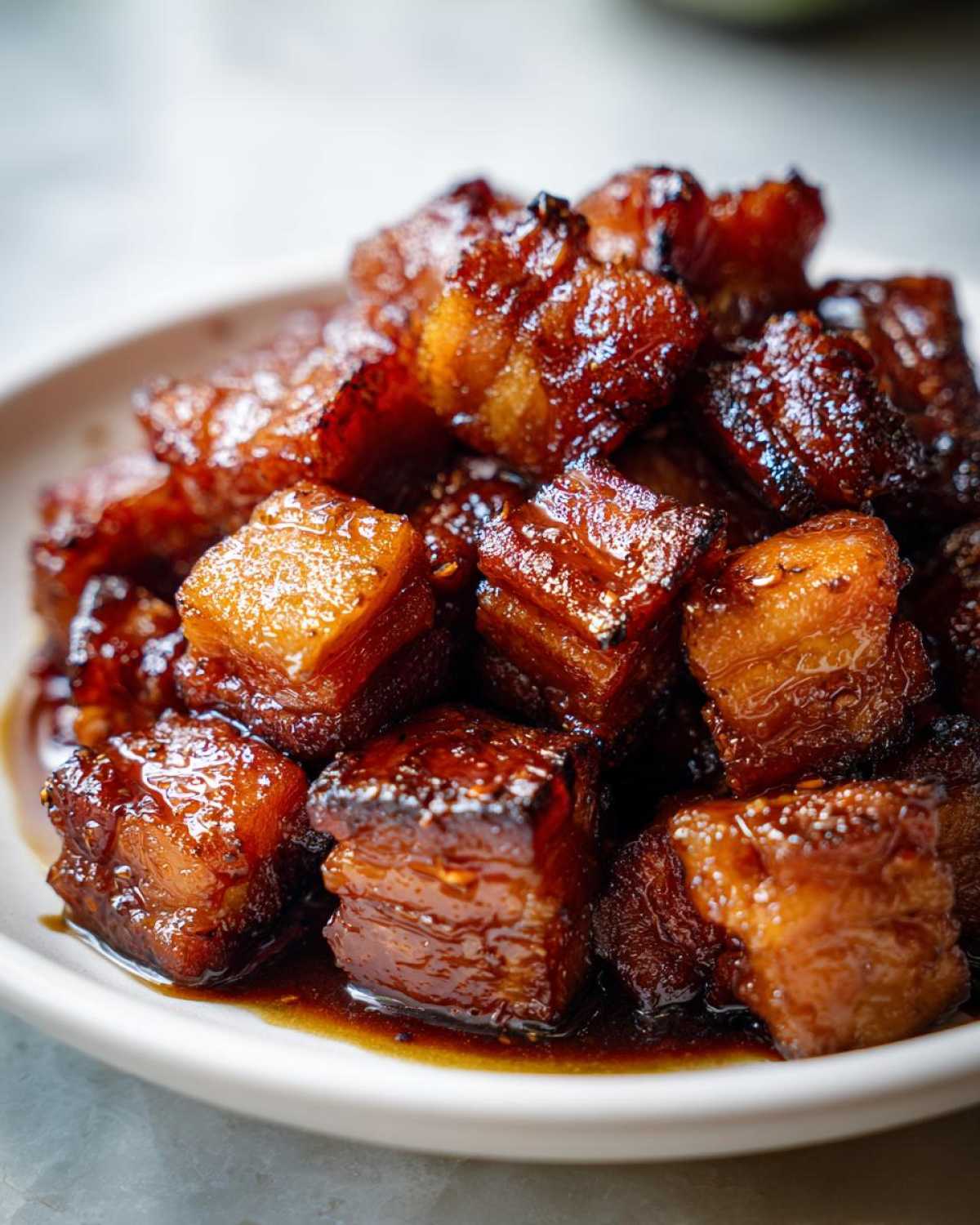
Step-by-Step Instructions for Caramelized Pork Belly
Ready to get cooking? This process flows beautifully once you get the caramel right. I always make sure my pot is nearby and ready to go before I even turn on the heat for the sugar. Remember, you are building layers of flavor here, and the heavy-bottomed pot is your best friend to keep that temperature even, especially when we start developing that deep color.
Marinate and Prepare the Pork
First things first, we need flavor soaking into that glorious fat! Take your cubed pork belly and toss it together in a bowl with the fish sauce, the 1 tablespoon of sugar slated for the marinade, and the black pepper. Give it a good mix until every piece is coated nicely. Now, you can absolutely get this done ahead of time, but you must let it hang out for at least 30 minutes right there on the counter. Trust me, that little bit of marinating time makes a difference in how the meat absorbs the savoryness before it hits the sweet caramel.
Building the Caramel Base
Time for the most important part! Get your heavy pot over medium heat. Sprinkle in the 1/4 cup of sugar you set aside just for the caramel—and this is crucial: do not stir it! Just let it sit there. You’ll see the edges start to melt and turn clear. Keep watching! You want that rich, beautiful amber color. The second you see that dark honey shade, immediately drop in the minced garlic and shallots. They will sizzle like crazy, but you only need about 30 seconds until they smell amazing. This is your flavor foundation!
Braising the Pork Belly Recipe
Next, add your marinated pork belly right into that fragrant caramel mix. Stir gently—don’t scrape the bottom too hard—just enough to coat all those cubes in the fresh caramel and aromatics. Let that cook for about 3 to 5 minutes so the meat gets lightly browned on the outside. After browning, pour in that 1/2 cup of water. Bring the entire thing up to a gentle simmer. Once it’s simmering, turn the heat way down, put the lid on tight, and now, step away! This is where the magic happens. You need to let this beautiful Vietnamese pork belly braise for a good 1.5 to 2 hours until it’s absolutely fork-tender.
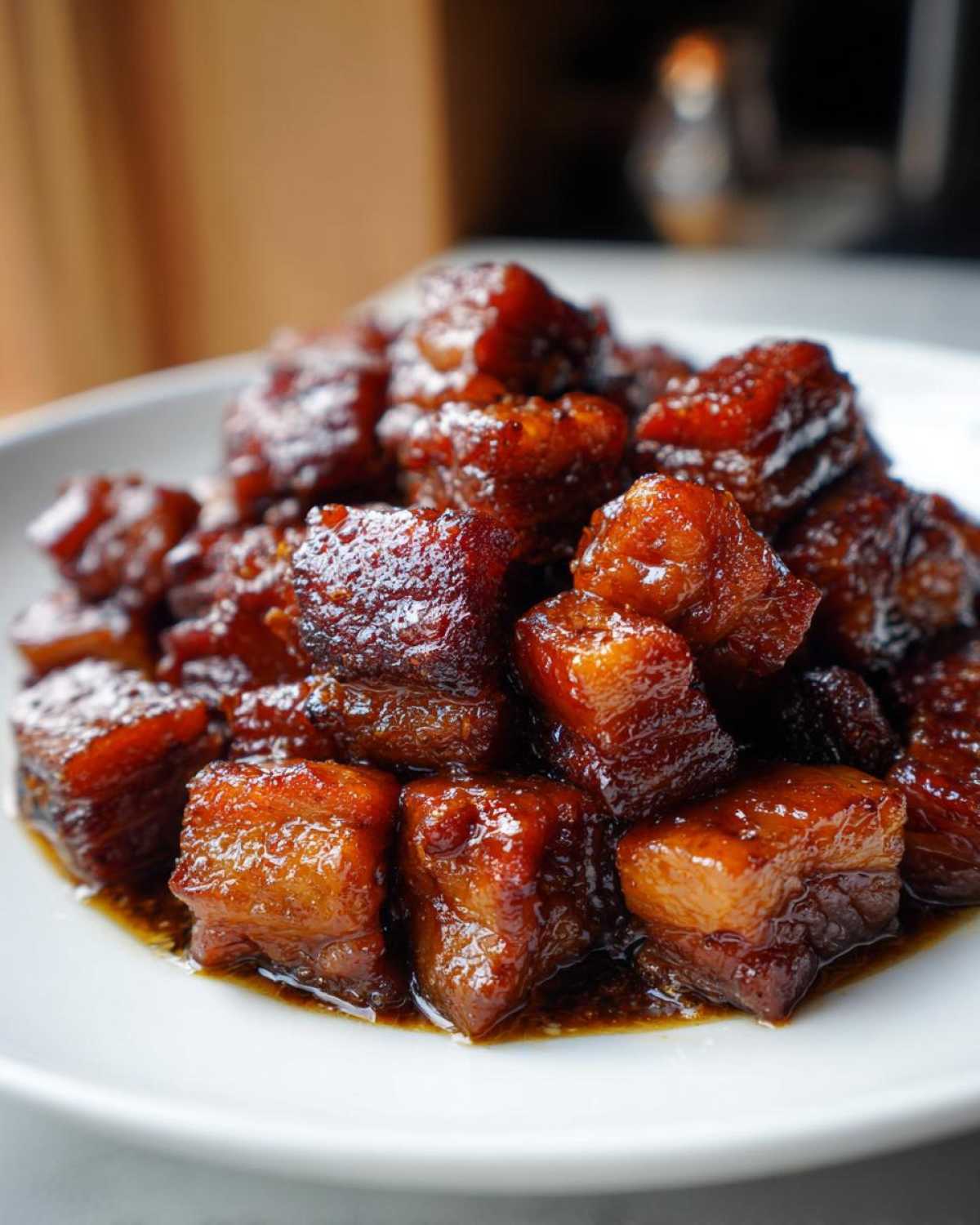
Reducing the Glaze for a Glossy Finish
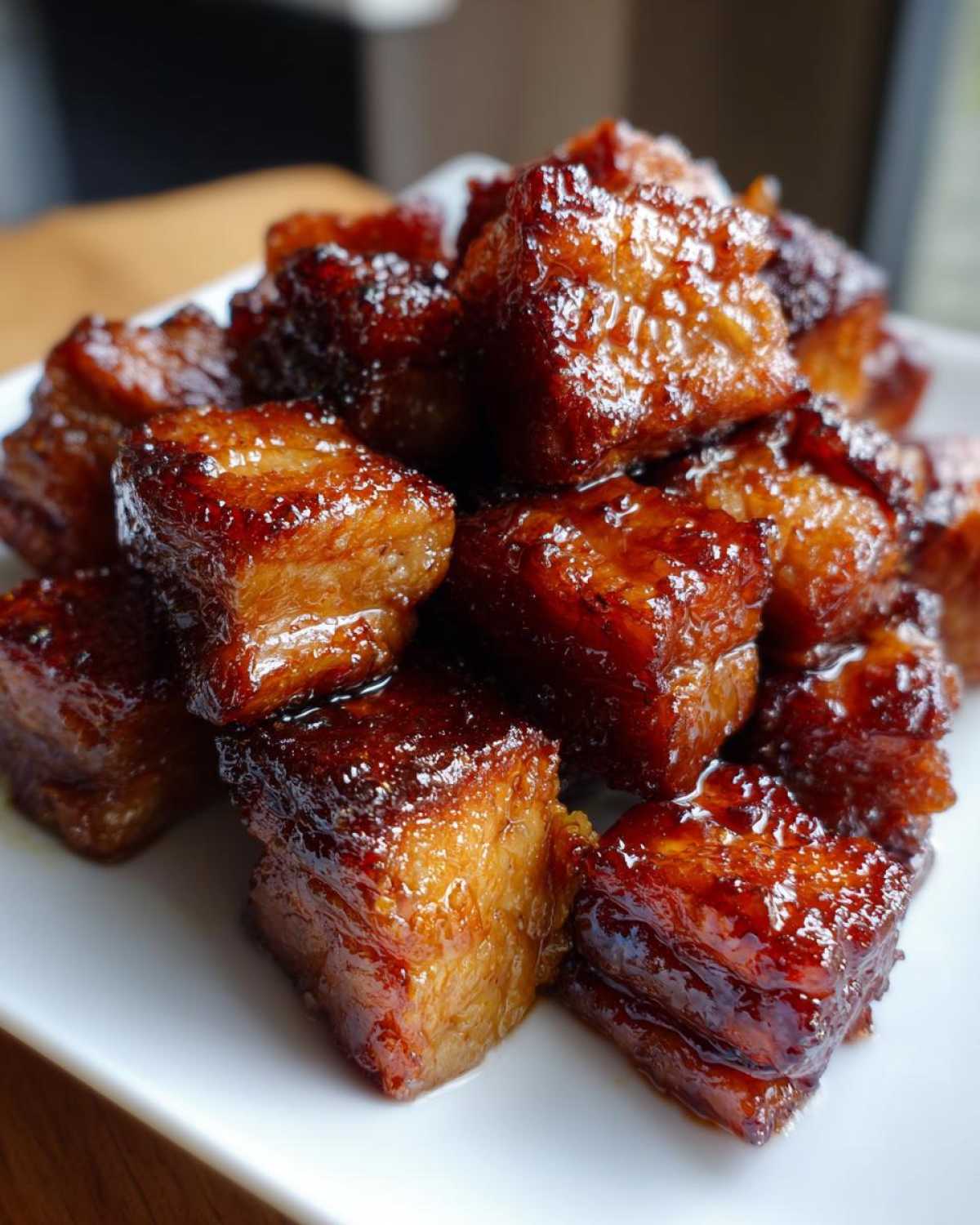
We are almost there! Once the pork is perfectly tender, take the lid off your pot. Keep the heat low, but watch it closely now. We need that liquid to reduce, thicken up, and turn into that incredible, glossy glaze that makes this caramelized pork belly famous. This usually takes about 15 minutes. If it looks like it’s reducing too fast before the meat is ready, add a tiny splash of hot water, but generally, let it go uncovered until you have a thick, sticky sauce clinging to every piece of meat.
Serving Suggestions for Rice Bowl Pork
You’ve made the most incredible, rich, savory-sweet caramelized pork belly—now we need to serve it right! This dish is heavy, it’s decadent, and frankly, it demands the perfect vehicle to carry all that glossy sauce straight to your mouth. My absolute number one way to eat this, hands down, is spooned generously over a big bowl of simple, perfectly steamed white rice. That rice is essential; it soaks up every single bit of that reduced braising liquid, making every bite of your rice bowl pork a flavor bomb.
But because this pork is so intensely flavored and rich from all that fat rendering, you need something bright and sharp to cut through it! I always serve this as part of a larger dinner spread. You don’t need anything cooked; think fresh and quick!
Here are my favorite balancing acts:
- Quick Pickled Daikon and Carrots: Seriously, five minutes of soaking thin carrot and daikon matchsticks in rice vinegar, a pinch of salt, and a spoonful of sugar brightens everything up instantly. The crunch is amazing against the soft meat.
- Fresh Herbs are a Must: Grab whatever you have! Cilantro is classic, but I also love topping it with a scattering of fresh mint leaves. The cooling sensation of mint is a game-changer alongside this heavy sweet salty braise.
- A Side of Green: Keep it simple! Steamed baby bok choy or even just some quickly blanched broccoli tossed with a tiny bit of sesame oil works wonders if you feel like you need a vegetable that isn’t pickled.
Remember, this rich, slow-cooked masterpiece deserves to be the star of the show, so keep those sides light and refreshing!
Storage and Reheating Instructions
First off, if you have leftovers, consider yourself incredibly lucky! This caramelized pork belly is one of those magical dishes that actually gets better overnight. When you refrigerate it, the sauce firms up a little around the meat, concentrating all that wonderful sweet and salty flavor. You can safely keep leftovers in an airtight container in the fridge for about three to four days. Don’t be surprised if the sauce looks slightly gummy when cold—that’s just the rendered fat and sugars setting up, and it’s totally normal!
Reheating is super important to get that tender texture back without drying out the meat. I absolutely forbid microwaving this! You lose all the gorgeous glaze structure when you zap it that way.
What you want to do is reheat it gently on the stovetop, preferably in the same heavy pot you cooked it in. Put the pork belly and any sauce clinging to it into the pot over the lowest heat setting. If it seems really thick, add just a tablespoon or two of hot water—or even better, some hot unsalted broth—to help loosen that glaze up again. Let it warm slowly, stirring gently every few minutes, until it’s heated through and the sauce is glossy again. Seriously, the slow, gentle heat brings back that perfect melt-in-your-mouth tenderness. It’s like having a second, even more flavorful dinner!
Frequently Asked Questions About Thit Kho
I know that when you’re trying a new technique, especially one involving making caramel from scratch, you’re going to have some questions! That’s totally fine! This is my little spot to address the common hiccups people run into when making their first batch of Thit Kho. Don’t be shy, ask away!
Can I make this Caramelized Pork Belly without fish sauce?
Oh, that’s a tough one because fish sauce is the backbone of this flavor profile; it gives that deep, savory, fermented depth that plain soy sauce just can’t replicate in this particular sweet salty braise. If you absolutely cannot use it, you can try substituting it measure-for-measure with a good quality dark soy sauce, maybe add an extra pinch of salt or pepper to compensate for the lack of funk. However, I have to be honest—it won’t taste exactly like my authentic Vietnamese recipe. If you can find a little dash of anchovy paste to mix into some regular soy sauce, that gets you closer to that umami punch!
How do I ensure the pork belly has crispy edges?
This is a fantastic way to add contrast to the soft meat! If you want those little pockets of chewy, slightly crispy meat in your final dish, you have two options, both mentioned in the tips section above. My favorite is to briefly sear the pork belly cubes in a separate, hot pan with just a tiny bit of oil *before* you ever move them to the pot for the braise. Sear them until they are golden brown on a few sides. If you forgot that step or you just want an extra boost right at the end, pull the pork out near the end of the reduction time and stick it under the broiler for just about two minutes. Watch it like a hawk, though—that sugar will burn fast!
What cut of meat works best for this Asian pork recipe?
For the absolute best texture in this Asian pork recipe, you need skin-on, bone-out pork belly. The skin provides that fantastic mouthfeel and gelatinous texture when it breaks down in the braise. We are looking for a good ratio of meat to fat to skin, as that fat renders down and keeps the braising liquid rich and flavorful. If you can only find skinless, I’d still use it—it will still be delicious—but you miss out on some of the traditional, luscious thickness of the sauce.
Estimated Nutritional Data for This Pork Belly Recipe
Now, let’s talk numbers! I always hesitate a little when putting nutrition facts out there because this dish is, let’s be honest, pure indulgence. It’s not an everyday salad; it’s a celebration dish, a true special occasion dinner! But for those of you who track things, I’ve pulled the numbers based on the recipe as written, assuming it divides evenly into 4 generous servings.
Keep in mind, like I always say, these figures are estimates based on the ingredients we used here. If you tweak the sugar or use leaner cuts, your results will vary! For more information on how we compile these, you can check out our general disclaimer page.
Here is a general breakdown per serving for this incredible caramelized pork belly:
- Serving Size: 1 serving
- Calories: 650
- Fat (Total): 55g (This is where the richness comes from!)
- Saturated Fat: 20g
- Protein: 30g
- Carbohydrates: 18g
- Sugar: 15g (That’s the caramel doing its job!)
- Sodium: 950mg (Be mindful of this, as fish sauce is salty!)
See what I mean? It’s rich, it’s satisfying, and it’s packed with protein from that luscious pork belly. Eat it knowing you earned it, and maybe balance it out with tons of fresh herbs tomorrow!
Share Your Special Occasion Dinner Experience
Whew! You made it through the whole process of creating this incredible caramelized pork belly! Now that your kitchen probably smells like the most amazing Vietnamese restaurant imaginable and you’ve had a taste of that perfect sweet salty braise, I really, really want to hear about it.
Did the caramel turn out that perfect, deep amber color I described? Did your meat fall apart in the most satisfying way possible? Don’t keep those successes (or any little oopsies!) to yourself!
Please, please hop down into the comments section below and leave a rating and a little note about how your rice bowl pork turned out. Hearing from you guys is honestly my favorite part of running this little food blog. It makes me feel like we’re all cooking together!
And if you happened to snap a gorgeous photo of that glossy finish—because honestly, this dish photographs like a dream—tag me on social media! I love seeing how you serve up these big flavor dishes for your own family gatherings. If you need to reach out to me directly for any quick questions that pop up later, you can always use the handy contact form right here. Happy cooking, friends!
PrintCaramelized Pork Belly Braise
Make tender pork belly with a sweet and salty caramelized sauce. This dish pairs well with steamed rice for a satisfying meal.
- Prep Time: 30 min
- Cook Time: 2 hr 15 min
- Total Time: 2 hr 45 min
- Yield: 4 servings
- Category: Dinner
- Method: Braising
- Cuisine: Vietnamese
- Diet: Low Fat
Ingredients
- 2 lbs pork belly, cut into 1.5-inch cubes
- 1/4 cup fish sauce
- 1 tablespoon sugar (for marinade)
- 1/2 cup water
- 1/4 cup sugar (for caramel)
- 2 cloves garlic, minced
- 1 shallot, minced
- 1 teaspoon black pepper
Instructions
- Marinate the pork belly cubes with fish sauce, 1 tablespoon sugar, and black pepper for at least 30 minutes.
- In a heavy-bottomed pot or Dutch oven, heat the 1/4 cup of sugar over medium heat without stirring. Allow the sugar to melt and turn a deep amber color to create the caramel. Watch closely to prevent burning.
- Carefully add the minced garlic and shallot to the caramel and cook for 30 seconds until fragrant.
- Add the marinated pork belly to the pot. Stir gently to coat the meat with the caramel mixture. Cook for 3 to 5 minutes until the meat is lightly browned on the edges.
- Pour in the 1/2 cup of water. Bring the mixture to a simmer.
- Reduce the heat to low, cover the pot, and let the pork belly braise for 1.5 to 2 hours, or until the meat is very tender.
- Remove the lid for the last 15 minutes of cooking to allow the sauce to reduce and thicken into a glossy glaze.
- Serve hot over steamed white rice.
Notes
- For crispier edges, you can briefly sear the pork belly cubes in a separate pan before adding them to the braise.
- Adjust the sugar in the braise to your preferred level of sweetness.
- If the sauce reduces too quickly, add a small amount of hot water.
Nutrition
- Serving Size: 1 serving
- Calories: 650
- Sugar: 15
- Sodium: 950
- Fat: 55
- Saturated Fat: 20
- Unsaturated Fat: 35
- Trans Fat: 0
- Carbohydrates: 18
- Fiber: 1
- Protein: 30
- Cholesterol: 120