

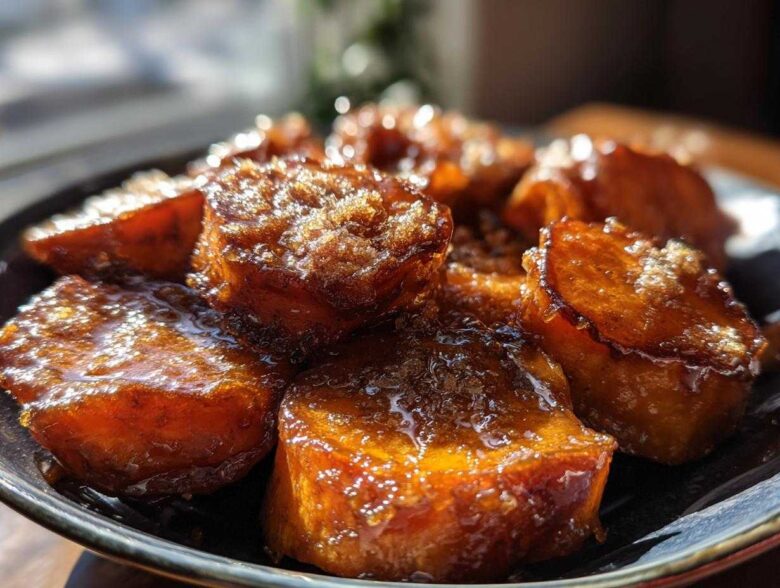
If you are anything like me, the holidays aren’t truly here until you smell those warm spices taking over the kitchen. Forget the dry, boring vegetable sides! We need something utterly decadent, something that whispers, “This is a celebration.” That’s exactly what we’re achieving today with my absolute favorite: the **Classic Southern Candied Sweet Potatoes** with that gorgeous brown sugar glaze.
I spent years trying different versions of baked sweet potatoes – some too watery, some where the sugar burned before the potato was soft. It took many ruined foil attempts to land on this specific method. Trust me when I say this recipe guarantees tender, melt-in-your-mouth sweet potatoes coated in that impossibly rich, buttery coating. If you want the real deal, the one that steals the show at every Thanksgiving table, you’ve found it. We make these almost every weekend now, but they truly shine when they headline a big holiday meal.
You can check out some of my other favorite recipe experiments over at my main recipe page, but stick with me for this one—it’s a keeper!
Why This is the Best Candied Sweet Potatoes Recipe (E-E-A-T Focus)
I’m telling you, there’s a reason this preparation has lasted generations across the South. It’s not just another sweet vegetable dish; it’s pure comfort. What sets this apart from other attempts at the **best sweet potato recipe** you see online is the balance we strike. We get deep sweetness from the brown sugar, warmth from the cinnamon and nutmeg, but it never crosses over into dessert territory. That’s what makes it one of the most sought-after **classic comfort food sides**.
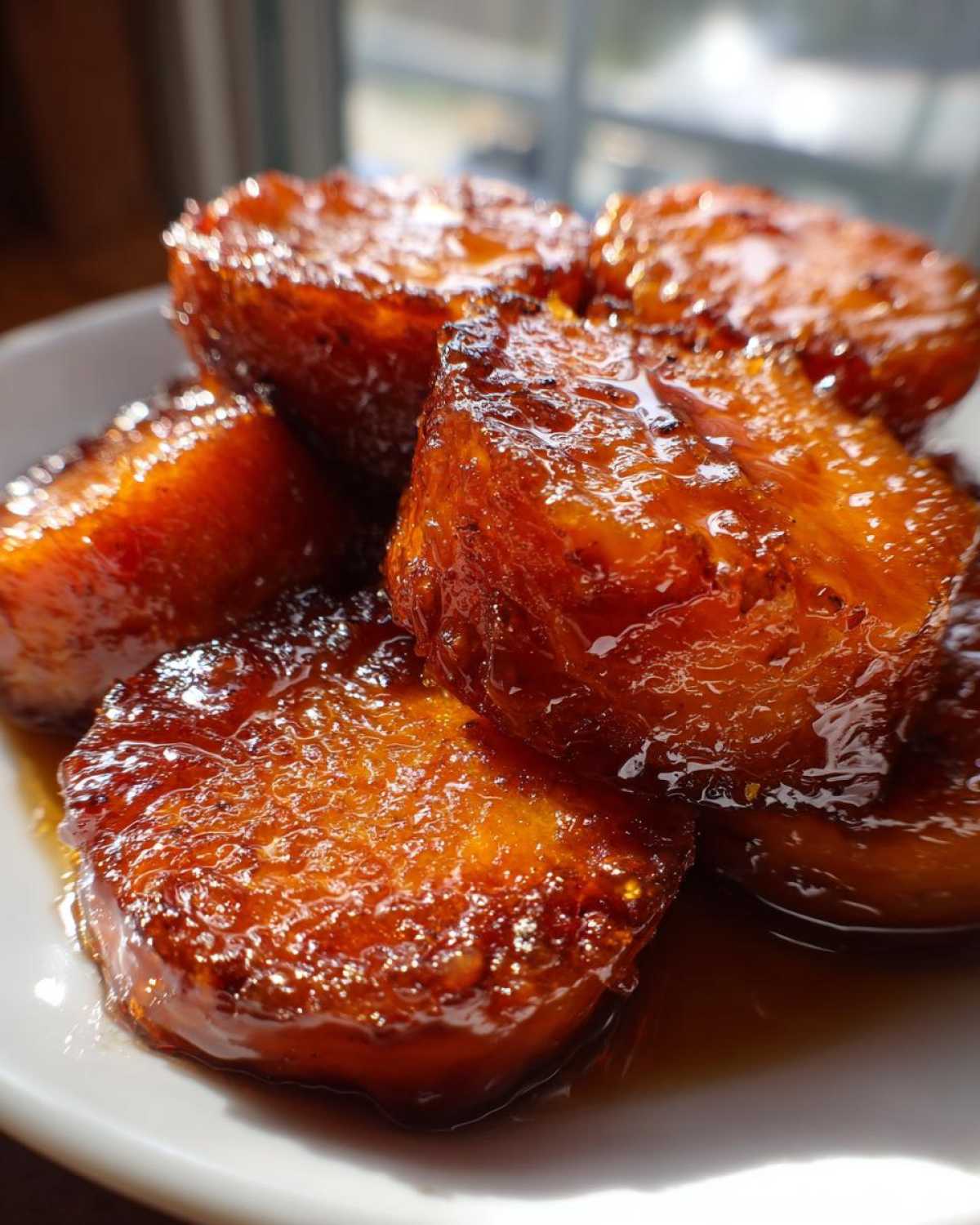
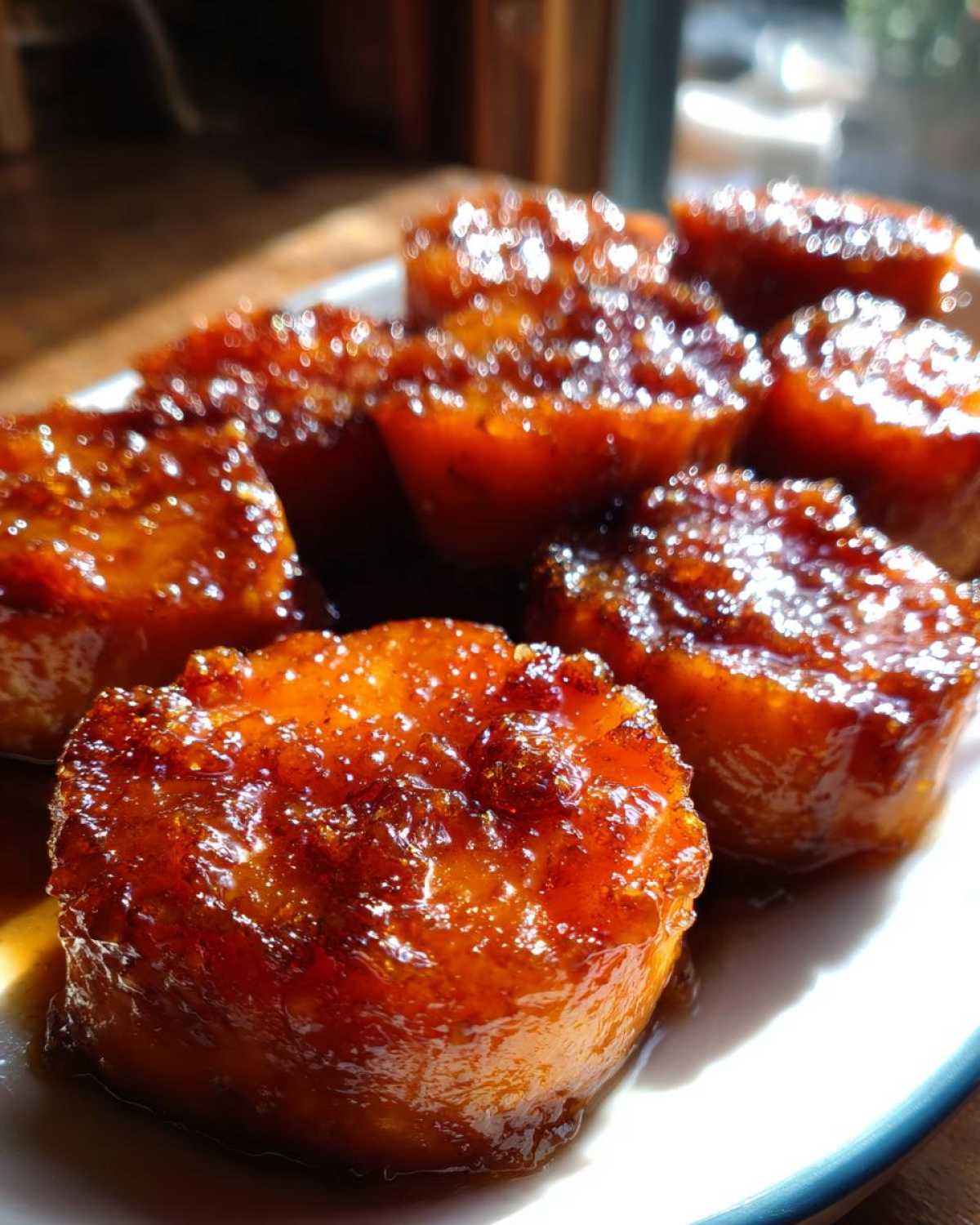
The secret is the texture. We bake them low and slow initially, covered tightly, which gently steams the potato slices until they are incredibly tender. Then, we crank up the heat uncovered. This two-step baking process ensures they aren’t crunchy while guaranteeing that rich, thick syrup sticks to every surface.
Achieving Perfect Caramelized Sweet Potatoes
We use just enough water in the glaze mixture alongside the butter and sugar. Why? Because that water needs to boil off, but only *after* the sugar has dissolved completely. If you put the potatoes in before the sugar is fully liquid, the crystals stick right to the potato, and when you bake it uncovered, you get crunchy sugar instead of that beautiful, thick, syrupy coat. The ratio of liquid to sugar in this particular recipe is the magic trick for that perfect, jammy, **caramelized sweet potatoes** finish.
Gathering Ingredients for Your Candied Sweet Potatoes
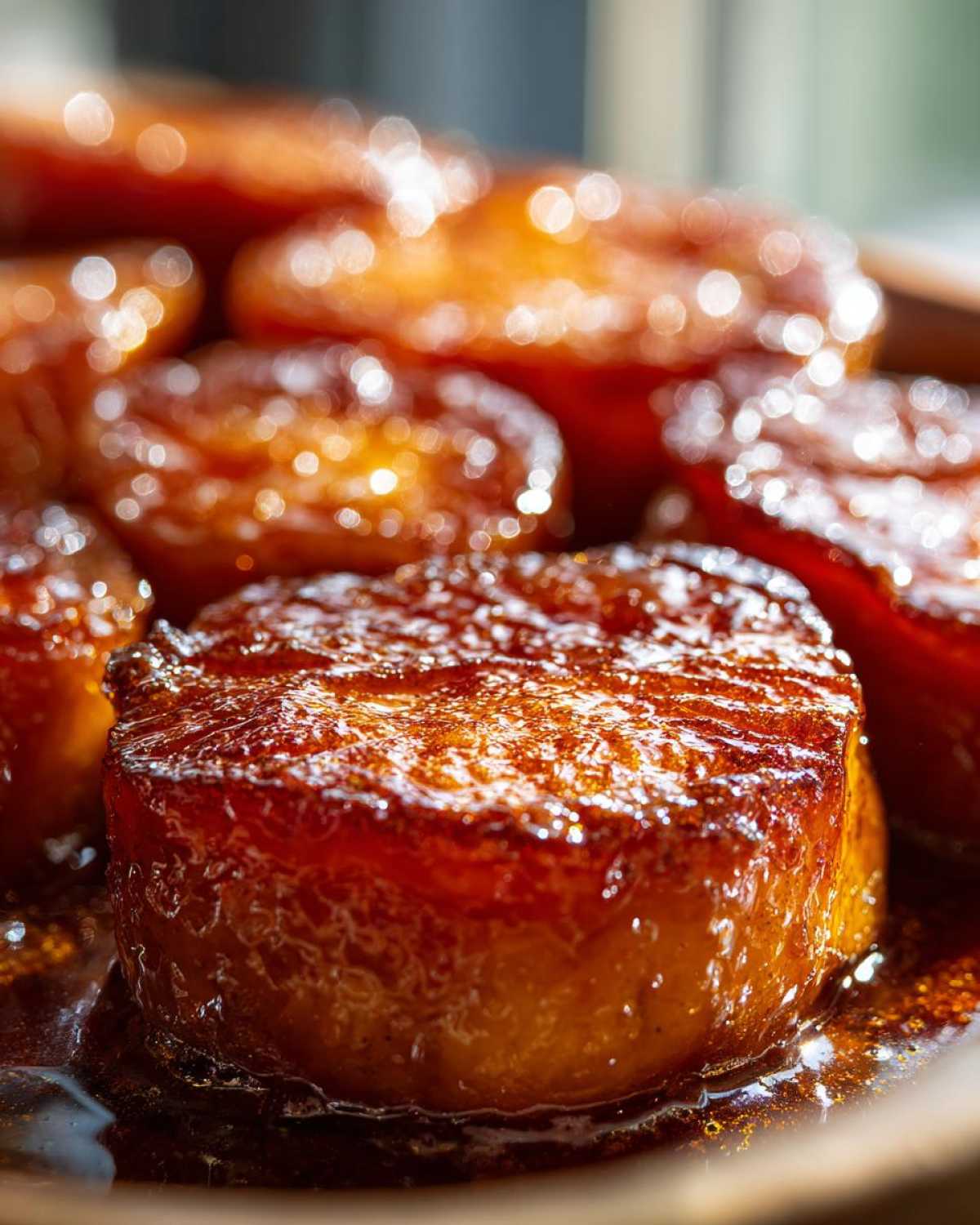
Okay, now that we know *why* these turn out better than any version you’ve tried before, let’s talk about what you need to pull them together. I’ve kept this ingredient list simple, focusing on quality because with so few elements, every item really counts. We rely on that fantastic combination of butter and brown sugar to make these the best **brown sugar sweet potatoes** you’ll ever make.
You’ll need about three pounds of sweet potatoes, and please, peel those guys and slice them into uniform rounds—about a half-inch thick works perfectly so they cook evenly. Then, grab your butter (a half cup!), your light brown sugar (one packed cup!), a little water to help that sugar dissolve, and just a dash of cinnamon and nutmeg for that classic holiday scent.
Ingredient Notes and Substitutions for Brown Sugar Sweet Potatoes
I know some of you might want to riff a little, so let’s cover the variations real quick. If you want a deeper, almost molasses flavor, definitely swap that light brown sugar for dark brown sugar; it just amps up that cozy feeling! Also, if you worry about the structure underneath all that glaze, I’ve noted that you can boil your slices for about five minutes before laying them out. This softens them up before they even hit the oven, guaranteeing tenderness. And yes, if you only have yams lurking around, you can absolutely use those—the cooking time might shift just a tiny bit, but the result is still fantastic, making it a great recipe for **Christmas sweet potatoes**!
Step-by-Step Guide to Easy Candied Sweet Potatoes
I know the instructions look long, but that’s just me being super detailed because I don’t want you to have any of those frustrating baking moments I had when I first started experimenting! Seriously, once you see how smoothly this comes together, you’ll be making these candied sweet potatoes for every potluck, not just Thanksgiving. The key is following the timing for the glaze.
Preparing the Sweet Potatoes and Baking Dish
First things first—get that oven humming! We need it nice and toasty at 375 degrees F. While it’s heating up, grab your 9×13 dish and give it a light grease. Now, take those sliced sweet potatoes—remember, half-inch rounds—and arrange them in the dish. This is super important: lay them out so they aren’t totally overlapping. If they are stacked too high, the steam gets trapped, and they’ll turn mushy instead of tender. A single layer is your goal here for the best texture!
Making the Buttery Sweet Potatoes Glaze
Next up is the star of the show: the glaze! Head over to a medium saucepan. We’re tossing in your butter, the packed brown sugar, water, that dash of cinnamon, nutmeg, and salt. You absolutely must stay right there and stir this constantly over medium heat. We need that sugar fully dissolved before anything else happens. Once it starts simmering and you see everything merge into a smooth liquid, you know you’re ready for the next step. Don’t walk away, or you’ll scorch that sugar!
Baking and Achieving Caramelized Sweet Potatoes
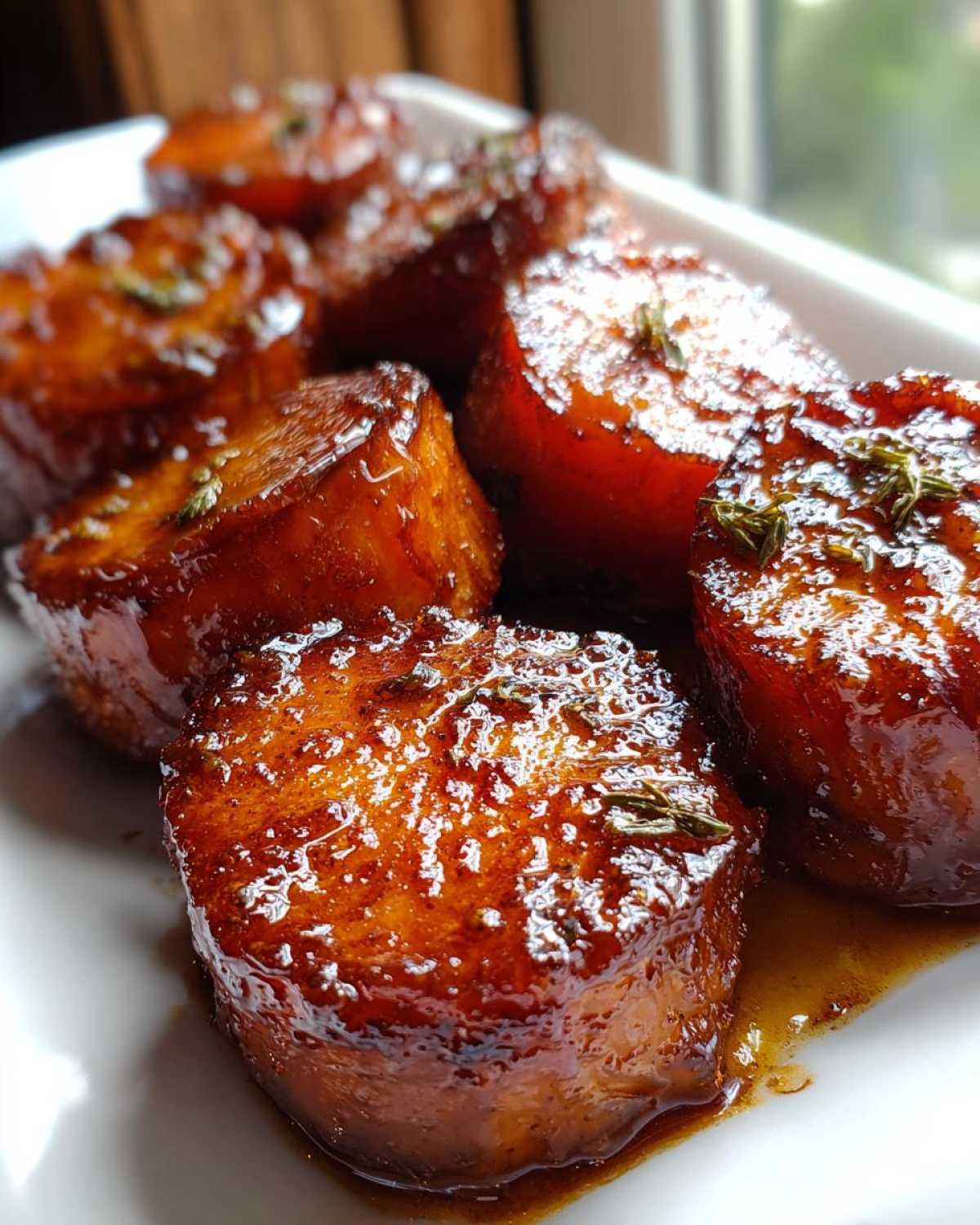
Once your beautiful sugary liquid is ready, pour it evenly over those arranged sweet potatoes. Then, lock that moisture in tight! Cover the whole dish securely with foil. Pop it in the oven for 45 minutes. This steaming time softens the interior. After those 45 minutes are up, carefully take the foil off. Now the magic happens! We keep baking for another 15 to 20 minutes. During this uncovered phase, the glaze will start to thicken and turn that incredible deep amber color. Remember to baste them once or twice with that syrupy goodness while they are uncovered. That’s how you get those perfectly **caramelized sweet potatoes** that everyone fights over!
If you’re looking for other ways to use up those sweet potatoes, I shared a fun recipe for sweet potato skins with pecans and marshmallows over in the archives, but don’t forget these beauties!
Tips for Perfect Southern Candied Sweet Potatoes
Look, even though this recipe is wonderfully foolproof, I’ve learned a couple of tiny tricks over the years to elevate these from ‘good’ to ‘mandatory on the dinner table.’ A successful batch of **southern candied sweet potatoes** is all about managing that liquid so it becomes a glorious thick sauce, not watery syrup.
My biggest battle used to be crystallization. You know, when the sugar starts getting grainy and gritty at the bottom of the pan? That usually happens if you stir the sugar mixture *after* it starts simmering. Once that mixture is boiling, you need to stop stirring completely. Let the water evaporate naturally; stirring introduces air and promotes those nasty crystals forming on the side of your pan. Just let it do its thing!
Another common issue is the potatoes on the bottom getting too soft or even scorched. If you find that happening even with a great glaze, try this: before you pour the glaze over, put a little pat of butter right in the corners of the pan. This creates little pockets of extra fat that insulate the bottom layer of potatoes. Also, never skip that initial foil covering. That steam bath is what gets them tender through the middle before we even start the caramelizing process! It keeps the top layer from drying out while the bottom cooks.
If you’re making these ahead, let them cool completely, and then cover the dish tightly and refrigerate. The glaze will thicken up a lot, which is normal. When reheating, try to keep it in the oven covered at about 325 degrees F for about 15 minutes to warm through gently before uncovering for the last five minutes to bring that beautiful sticky coating back to life.
Making Ahead and Storing Your Candied Sweet Potatoes
I totally get it—sometimes you just can’t manage everything on Thanksgiving day, or maybe you made a double batch because, let’s be honest, these disappear fast! Good news: these **buttery sweet potatoes** handle make-ahead instructions really well.
If you need to prep these ahead of time—say, a day or two before your big dinner—you absolutely can. Prepare the recipe exactly as written, but when they come out of the oven for the last time, let them cool completely right there in the pan. Once they are room temperature, cover the entire 9×13 dish tightly with plastic wrap, followed by a layer of foil just for extra security. Pop them in the fridge. They should keep beautifully for about three days. When you refrigerate them, the beautiful brown sugar glaze will solidify quite a bit. Don’t panic; that’s just the butter firming up!
Now, for reheating, the oven is always my preferred method because it gently coaxes that glaze back to life without scorching. Transfer the sweet potatoes and their sauce to a clean baking dish if necessary, cover tightly with foil, and heat them at about 325 degrees F. Give them 20 minutes, then remove the foil and let them bake uncovered for another 5 or 10 minutes to let that sticky sauce loose again. Basting them one last time once uncovered really helps bring back that fresh-baked shine.
If you are totally slammed for time and need a quick reheat (maybe just for leftovers the next day), the microwave works in a pinch. Just put a sensible portion onto a microwave-safe plate. Heat it in 30-second bursts, stirring gently in between bursts, because those potatoes hold heat like crazy! You might lose a *tiny* bit of that oven-baked crispness on the very top layer, but honestly, they taste almost exactly the same. Either way, having your **sweet potato side dish** ready early is a lifesaver!
Serving Suggestions for Your Sweet Potato Side Dish
It’s easy to think of these glorious sweet potatoes only when the big autumn feast rolls around, but honestly, they deserve a spotlight year-round! This dish is so incredibly flavorful that it instantly elevates any weeknight meal into something special. When you’ve got this rich, sweet glaze coating everything, you need food that can stand up to it.
For a holiday menu, they are the perfect counterpoint to salty ham, roasted turkey, or even a rich beef roast. But let’s talk about expanding their horizons! Because we’ve made sure this is the perfect **sweet and savory side**—thanks to that hint of salt and nutmeg—they pair shockingly well with spicy main courses. Think about serving them alongside smoky pulled pork or pairing them with something tangy, like grilled chicken glazed with a light vinegar sauce.
When I’m making this **sweet potato side dish** just for us mid-week, I often serve it alongside something simple like baked chicken thighs seasoned only with paprika and pepper. The main dish stays savory, and the potatoes bring all the festive moisture and sweetness to the plate. It’s honestly one of the easiest ways to make dinner feel like an occasion without working over the stove all evening.
If you’re looking for other easy main dishes that just scream comfort, you should seriously check out my recipe for cheeseburger slider casserole. It’s total comfort food heaven, and having the candied sweet potatoes on the side balances that richness perfectly!
Frequently Asked Questions About Candied Sweet Potatoes
I get so many emails asking about tweaks and alternatives, especially around the holidays when everyone is juggling multiple dishes! Here are the most common questions I hear about perfecting these **candied sweet potatoes** at home.
Can I make these candied sweet potatoes in a slow cooker?
You absolutely *can* use a slow cooker for **easy candied sweet potatoes**, but you have to adjust your expectations about that beautiful, thick glaze. Slow cookers are amazing for keeping things moist, but they create steam, which results in a thinner, more liquid sauce or syrup at the bottom of the crock. You won’t get that spectacular, almost tacky caramelization we achieve in the oven.
If you want to use the slow cooker, layer those slices in, pour your glaze right over them, and cook on low for 4 to 6 hours. If you want to try to thicken the sauce afterward, you’d have to scoop it out and boil it down quickly on the stovetop to reduce the liquid. For the absolute best textural result—that thick coating—stick to the baking method we used!
What is the difference between yams and sweet potatoes in this recipe?
Oh, the great root vegetable confusion! In American grocery stores, what they often label “yams” are actually just a specific variety of moist-fleshed sweet potato— usually the reddish-skinned, orange-fleshed kind we used in this recipe. True yams are starchier, drier, and more like a potato; they almost never show up in our produce aisle unless you live near a specialty market.
For the purpose of this **classic comfort food sides** recipe, if the tag says sweet potato or yam, go for the softer, deeper-colored root. The texture might vary slightly; the moister varieties will yield very tender results, while the slightly drier ones absorb the glaze a bit more intensely. Either way, they both make delicious **Thanksgiving sweet potato sides**!
How can I adjust the spice level for my preference?
This recipe is tempered perfectly for broad appeal, meaning it tastes wonderfully spiced without being overwhelming. If you want a bit more punch, especially if you’re aiming for a spicier pairing against something savory, try adding just a tiny pinch of ground cloves to the glaze mixture. That clove note really deepens the warmth alongside the cinnamon and nutmeg. I also sometimes add a quarter teaspoon of something smoky, like chipotle powder, if I am serving these with BBQ pork, but for a traditional spread, stick to the cinnamon and nutmeg!
Estimated Nutritional Data for Classic Candied Sweet Potatoes
It’s always good to have a general idea of what’s in the holiday spread, right? I want to be upfront: because we are dealing with a rich brown sugar and butter glaze, these wonderful **candied sweet potatoes** definitely lean toward the indulgent side! The nutrition calculator I used gives us a pretty solid benchmark for one of these delicious servings.
Keep in mind that these figures are just estimates based *exactly* on the recipe measurements provided—the amount of sugar we use means the values skew toward the high side for a vegetable side dish. But hey, it’s a holiday, and these are worth every bit of that sweetness!
Here’s the breakdown for one generously sized serving:
- Calories: 310
- Fat: 14g (with 9g of that being saturated fat from all that lovely butter!)
- Protein: 2g
- Carbohydrates: 47g
- Sugar: 45g (That’s where the magic happens!)
- Sodium: 150mg
You can see the sugar content is pretty high, which is expected for something called ‘candied’ sweet potatoes! But don’t forget, you are also getting a good helping of fiber and Vitamin A from the potatoes themselves. They are still a vegetable, even if they taste like candy!
Share Your Thoughts on This Holiday Glazed Vegetables Recipe
Now that you’ve got the secret to making the absolute best **candied sweet potatoes**—the ones that win over everyone at the table—I really, really want to know what you think! Did you get that perfect, sticky caramelization I was raving about? Did the nutmeg sing just right alongside that sweet brown sugar?
Please take a moment to leave a rating below using the star system. If you are comfortable sharing, I’d love to hear which meal you served these with. Were they the perfect **holiday glazed vegetables** alongside a huge turkey, or did you sneak them onto the plate for a regular Tuesday night dinner? I live for these stories!
If you had any little hiccups along the way, or maybe even a brilliant tweak that worked even better for your family’s version, spill the beans in the comments! Your feedback helps me keep refining these recipes, and I always love seeing how you all adapt the classics. Don’t forget, if you have specific questions that the FAQ didn’t cover, you can always reach out to me directly through the contact page. Happy baking, everyone!
PrintClassic Southern Candied Sweet Potatoes with Brown Sugar Glaze
Make tender sweet potatoes coated in a rich, buttery brown sugar glaze. This classic Southern side dish is perfect for holidays or any comfort meal.
- Prep Time: 15 min
- Cook Time: 65 min
- Total Time: 80 min
- Yield: 8 servings
- Category: Side Dish
- Method: Baking
- Cuisine: Southern American
- Diet: Vegetarian
Ingredients
- 3 lbs sweet potatoes, peeled and sliced into 1/2-inch thick rounds
- 1/2 cup unsalted butter
- 1 cup packed light brown sugar
- 1/2 cup water
- 1 teaspoon ground cinnamon
- 1/4 teaspoon ground nutmeg
- 1/4 teaspoon salt
Instructions
- Preheat your oven to 375 degrees F (190 degrees C). Lightly grease a 9×13 inch baking dish.
- Arrange the sliced sweet potatoes in a single layer in the prepared baking dish.
- In a medium saucepan, combine the butter, brown sugar, water, cinnamon, nutmeg, and salt.
- Heat the mixture over medium heat, stirring constantly until the butter melts and the sugar dissolves completely. Bring the mixture to a gentle simmer.
- Pour the hot glaze evenly over the sweet potatoes in the baking dish.
- Cover the baking dish tightly with aluminum foil.
- Bake for 45 minutes.
- Remove the foil and continue baking for another 15 to 20 minutes, or until the potatoes are tender and the glaze has thickened and caramelized slightly. Baste the potatoes once or twice during this uncovered period.
- Serve hot.
Notes
- For a richer flavor, you can substitute dark brown sugar for light brown sugar.
- If you prefer a softer texture, boil the sweet potato slices for 5 minutes before arranging them in the dish.
- You can use yams instead of sweet potatoes; the cooking time may vary slightly.
Nutrition
- Serving Size: 1 serving
- Calories: 310
- Sugar: 45
- Sodium: 150
- Fat: 14
- Saturated Fat: 9
- Unsaturated Fat: 5
- Trans Fat: 0
- Carbohydrates: 47
- Fiber: 5
- Protein: 2
- Cholesterol: 35