

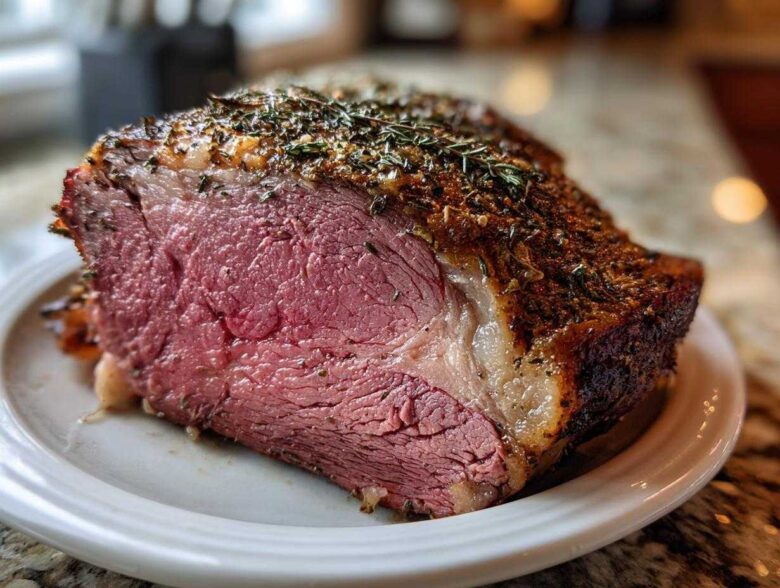
There is nothing quite like the moment the prime rib comes out of the oven for a big holiday dinner. Seriously, the smell alone stops conversations! For years, I was terrified of cooking this enormous roast myself. I worried about undercooking it in the middle or accidentally turning the edges into dried-out shoe leather. But trust me when I say, I cracked the code. This recipe is my absolute foolproof method for achieving that famously juicy, perfectly medium-rare roast every single time. It all comes down to mastering the temperature, and once you see how easy it is, you’ll never order it out again. You can check out my incredible beef stroganoff recipe another time, but for now, let’s conquer the king of roasts!
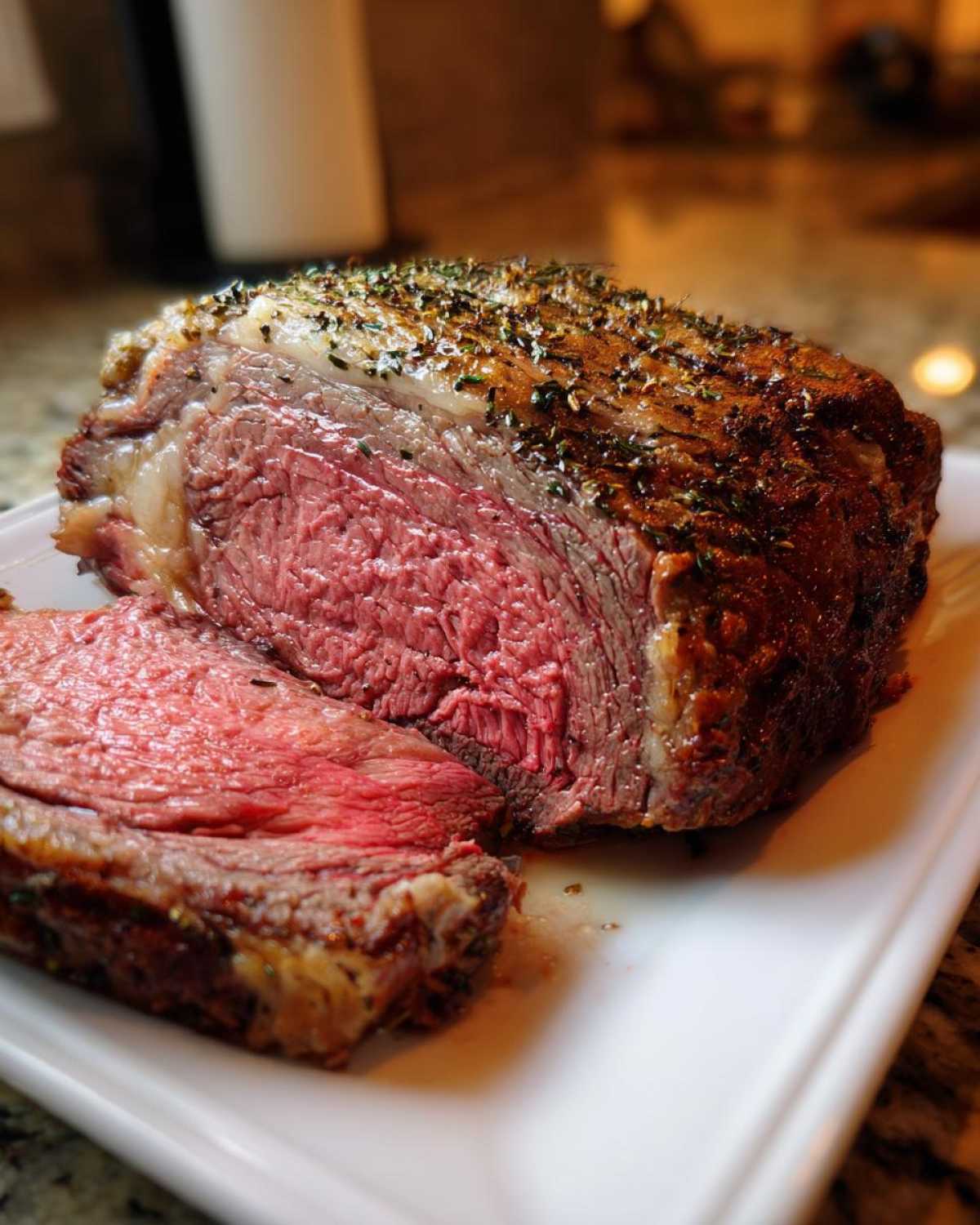
Why This Garlic Herb prime rib Recipe Delivers a Perfect prime rib Every Time
Folks, this two-stage cooking process is what separates a good roast from a legendary one. We start with a quick blast of high heat—that’s the 450 degrees—which seals everything in and builds that incredible brown crust on the seasoning. Then, we drop the temperature way down to 325 degrees for the slow roasting part. This low and slow approach is how you guarantee a juicy prime rib recipe that stays tender right to the center. It’s the secret to getting that perfect prime rib every time, honestly, it’s almost cheating how well it works!
If you want to explore other roasting methods, I have a terrific little guide on my reverse-seared filet mignon that uses similar temperature techniques.
Bone-In vs. Boneless prime rib Roast Selection
For this spectacular showstopper, I always insist on bone-in! I know a bone in prime rib recipe seems intimidating, but those bones act like little insulators. They protect the meat closest to them, keeping it unbelievably moist and giving you that extra layer of gorgeous flavor. Boneless is easier to carve, sure, but for maximum tenderness and that classic holiday look, stick with the bones attached. You won’t regret it!
Essential Ingredients for your best prime rib seasoning
Okay, gather your supplies! For the best flavor boost, we don’t mess around with sub-par ingredients here. You absolutely need one (5-7 lb) bone-in prime rib roast, make sure it’s nicely trimmed! Grab three tablespoons of olive oil to help that rub stick. Then, for our flavor foundation, we need six cloves of garlic, and I mean minced, not chunky! We’re also using two tablespoons of fresh rosemary, one tablespoon of thyme leaves, two teaspoons of coarse salt, and black pepper. Don’t forget that half teaspoon of paprika for color!
Ingredient Notes and Substitution Tips
The key thing here is freshness, especially for our garlic herb prime rib. If you use dried rosemary instead of fresh, you need to cut the measurement way down—dried herbs are much more potent. Also, please use coarse salt; it creates a better surface texture on the roast. If you cannot find fresh thyme, look for dried, but remember, fresh is always better for big cuts like this. Trust me, the quality of your rub directly translates to how amazing the final crust is when roasting!
How to Prepare for the ultimate easy oven roasted prime rib
Getting ready for this easy oven roasted prime rib should be relaxing, not stressful! The single most important thing you can do—and I can’t stress this enough—is taking that massive roast out of the fridge a good two to three hours before you plan on turning on the oven. If you try to cook a cold roast, you’ll end up with a burnt outside and a totally raw middle. We want it close to room temperature!
When it’s time, get your oven preheated right away to that hot 450 degrees. Make sure you have a sturdy roasting pan ready, and if you can, set your roast up on a rack inside that pan. This lets the hot air circulate underneath, which is key to even cooking. Now, let’s build that incredible crust!
Creating the Perfect garlic herb prime rib Rub
This is where the flavor magic happens! In a little bowl—I usually grab a small ramekin—mix up all those fresh herbs, the minced garlic, salt, pepper, and paprika we gathered. Once it’s combined, take your roast and rub it all over with the olive oil first. That oil is like glue for our seasoning! Then, start pressing that glorious herb mixture onto every single surface of the roast. Don’t just sprinkle it on; use your hands and really press it in firmly. You want that crust to stick tight so it stays put when we sear it. For more flavor boost ideas, check out my recipe for garlic butter basted filet mignon!
Roasting prime rib step by step for medium rare prime rib temperature
Time to put that beautiful roast in the oven! Remember how we cranked it up to 450 degrees? Roast it for exactly 15 minutes to get that crust set. Then, immediately drop the heat down to 325 degrees. This dual temperature method is the secret sauce for a perfect result.
Now, you MUST use a meat thermometer here. Don’t guess! Insert it into the thickest part of the roast, making absolutely sure you aren’t poking the bone. Your goal temperature for anything less than well-done is 125 degrees Fahrenheit for that ideal medium rare prime rib temperature. If you’re aiming for medium, you’ll pull it a bit higher, around 130°F. Every pound takes about 13 to 15 minutes at that lower temp, but the thermometer is your only reliable guide to this roasting beef prime rib step by step process.
Once you hit 125°F, pull that beauty out! If you want to see another great example of precise temperature control, check out my recipe for a cast iron filet mignon—though that one cooks much faster!
The Critical Resting Period for your tender prime rib roast
This next step is non-negotiable, truly. Don’t even think about slicing into it straight from the oven! Once you pull your roast at 125°F, tent it loosely with foil and let it sit there for a full 20 minutes. This resting time allows the juices, which have been driven toward the center by the heat, to redistribute throughout the meat.
This resting period is called carryover cooking, and it’s essential! The internal temperature will safely climb another 5 to 8 degrees while it rests, bringing you right into that perfect 130–135°F range for a beautifully tender prime rib roast. If you skip resting, all those beautiful juices will run out onto your cutting board instead of staying inside the meat. Patience pays off here!
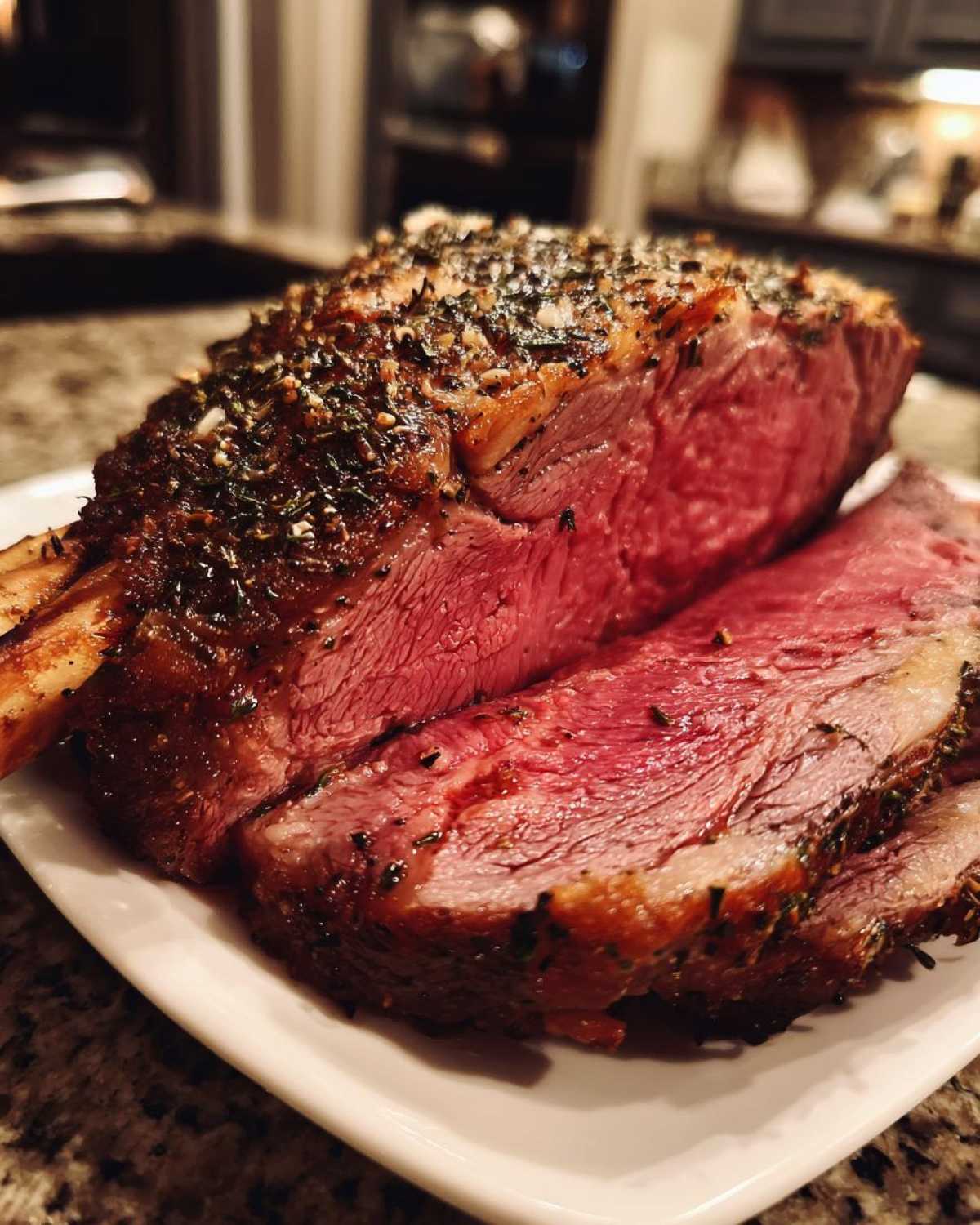
Making a Simple prime rib au jus recipe from Pan Drippings
Okay, so you’ve got that gorgeous roasting pan full of flavorful drippings—don’t you dare throw them out! Making a simple prime rib au jus recipe from those bits is remarkably easy and ties the whole meal together. After you’ve removed the roast to rest, carefully set the pan on the stovetop over medium heat. You can quickly whisk in a splash of beef broth or, if you want a little depth, maybe a tiny splash of red wine. Just heat it gently, scraping up all those caramelized bits stuck to the bottom until they dissolve. Give it a quick taste, add a pinch of salt if needed, and strain it through a fine-mesh sieve right before serving. It’s so much better than anything from a packet. If you want to learn how to make rich gravy instead, check out how I handle the drippings for my filet mignon tips in red wine gravy; the principle is the same!
Tips for Success when Roasting beef prime rib
Even though this is a simple roast, there are a few key little details that make the difference between “good” and “incredible.” If you follow these expert pointers, you’re nailing the roasting beef prime rib step by step part of the process. First up: the thermometer! Do not, under any circumstances, rely on the little plastic pop-up devices that sometimes come with the packaging. They lie! You absolutely must invest in a reliable, instant-read meat thermometer. That’s your insurance policy for perfect doneness.
Here’s a bonus trick if you want a showstopper. Remember that delicious herb crust? If you see that it’s not quite as dark or crispy as you wanted when it’s time to pull the roast, here is what you do: Turn your oven to the broiler setting for just two or three minutes. WATCH IT like a hawk! It can go from perfect to burned in about thirty seconds, so stay right there, opening the door every few seconds if you need to! It’s a little risky, but that extra dark crust is amazing.
Lastly, remember those amazing drippings we talked about for the au jus? Make sure you save every bit of that savory stuff in the bottom of your pan. If you’re done cooking, you can check out my main blog page for tons of other ways to use those flavorful reserves throughout the week!
Serving Suggestions for your holiday beef roast recipe
Now that we’ve created this stunning Christmas dinner centerpiece, we need sides worthy of its glory! Since the natural richness of this roast is the star, I always gravitate toward dishes that are comforting but don’t fight the beef for attention. You simply have to have potatoes—my creamy mashed potatoes are always the first bowl to disappear. Also, something green cuts through that richness perfectly, so I recommend lightly sautéed asparagus or creamy spinach.
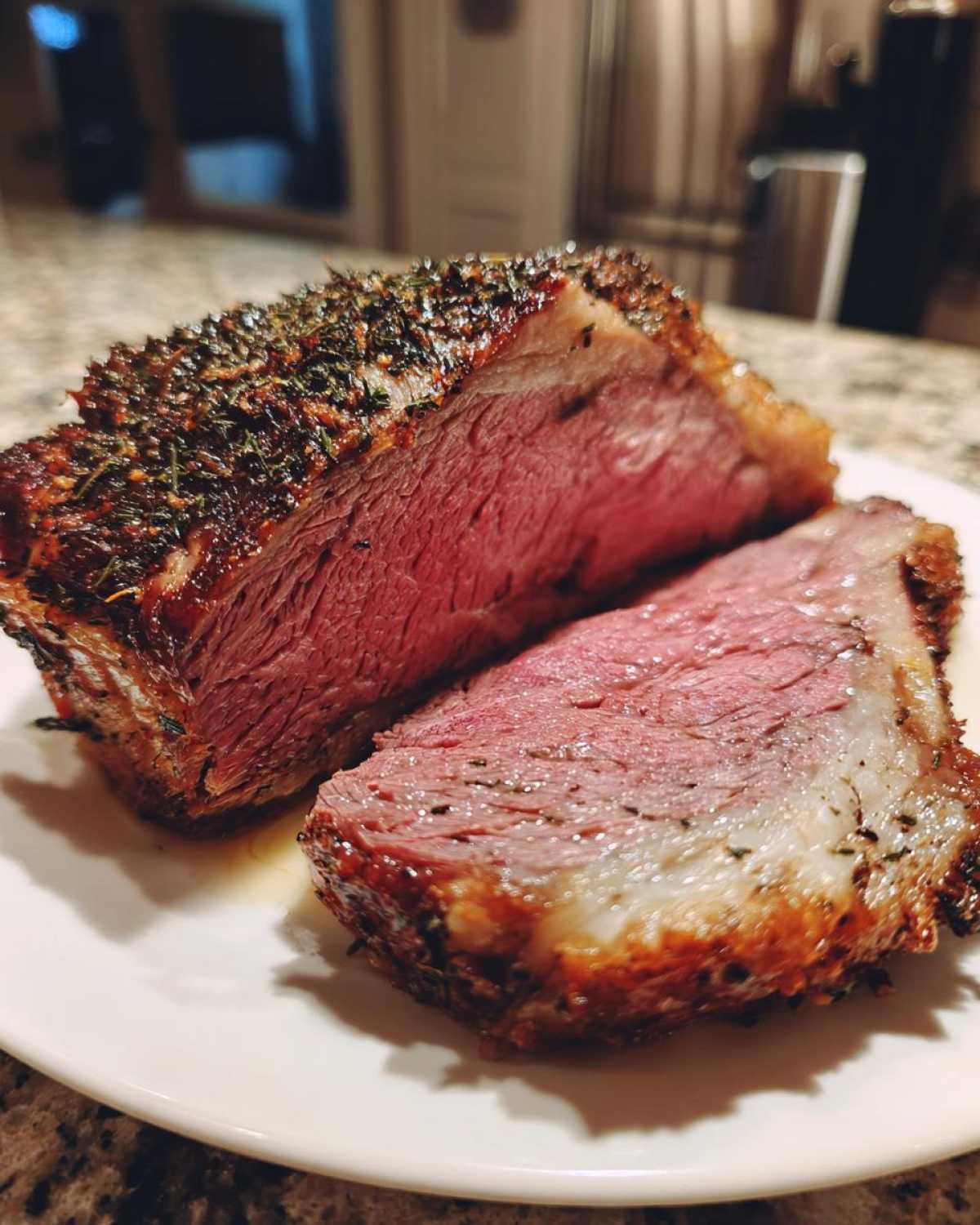
If you’re looking for something savory and really hearty to round out the plate, you could try out my slow cooker beef and potato casserole, though I usually save that for another day when the prime rib isn’t the main event!
Storage and Reheating prime rib
I always end up with glorious leftovers, and honestly, sometimes day-two prime rib is even better—especially piled high on a crusty roll! When storing, make sure the slices are cool first. Wrap the leftovers tightly in plastic wrap first, and then pop them into an airtight container. If you stack them up, put a small piece of wax paper between the slices so they don’t weld together in the fridge overnight. They should keep well for about three or four days, no problem.
Reheating is where most people go wrong, and they end up drying out what was once the juiciest roast on earth! Skip the microwave entirely if you can. The absolute best way is gentle moisture. Take the slices you want and place them in a small oven-safe dish. Pour just a tiny splash of your leftover au jus, or even some plain beef broth, over the bottom of the dish—not smothering the meat, just enough liquid to humidify the air.
Cover that dish tightly with foil, and put it into a low oven, say 275 degrees Fahrenheit. Let it warm slowly for about 10 to 15 minutes until it’s warmed through. This low heat and steam bath will keep those slices tender and juicy. It’s the perfect way to enjoy your prime rib again!
Frequently Asked Questions about Cooking prime rib
I get so many questions every year around the holidays about this roast! It’s totally understandable; it’s an expensive cut of meat, and no one wants to mess up their big centerpiece. But don’t worry, most of the concerns just boil down to timing and temperature, which we covered extensively above. Here are the big ones I always hear!
What is the target internal temperature for medium rare prime rib?
For that perfect, pink-in-the-middle result, you need to pull your prime rib out of the oven when the thermometer hits exactly 125 degrees Fahrenheit. I know that sounds early, but that’s the magic of carryover cooking! After you pull it and let it rest for 20 minutes, the heat continues to rise until it settles perfectly between 130°F and 135°F, which is classic medium-rare. That’s how you get the most tender prime rib roast!
Can I cook a prime rib roast from frozen?
Oh goodness, please don’t try it! While some people attempt it, you are going to have a nearly impossible time getting an even roast. The outside will be way overcooked by the time the center thaws enough to start cooking properly, and you definitely won’t get that gorgeous crust we worked so hard to build. For the best results in any holiday beef roast recipe, always thaw it completely in the fridge for a couple of days first, then let it sit out on the counter for two hours before seasoning.
How do I prevent my prime rib from drying out?
It comes down to the two golden rules we discussed! First, you absolutely have to use that reliable meat thermometer. Overcooking is the number one cause of dry beef. Second, and this is just as important, you must let the roast rest for a full 20 minutes after taking it out of the oven. Resting lets those savory juices redistribute themselves back into the muscle fibers, which keeps every single slice of your prime rib moist and luscious!
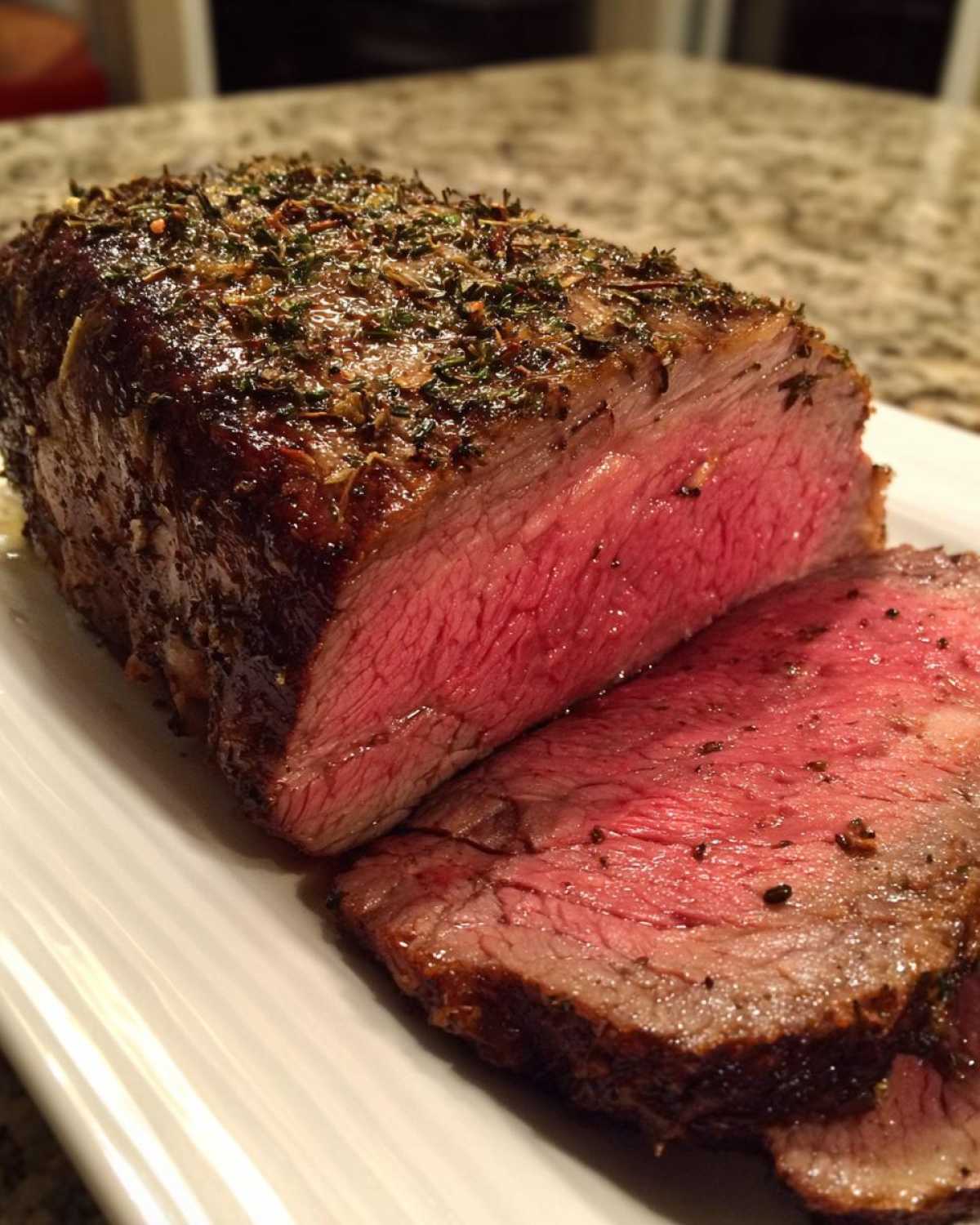
If you want to see more behind-the-scenes tips that helped me perfect this, feel free to browse around our about us page!
Estimated Nutritional Data for this prime rib Recipe
Now, I totally get it—when you’re cooking something this decadent, you might be wondering about the numbers. We work hard in the kitchen, but we still like to have an idea of what we’re eating, right? I’ve put together the estimated nutritional breakdown for this incredible prime rib roast below. Just keep in mind that since this is a massive, glorious cut of beef, these figures are based on a generous 6-ounce serving size after resting, before any gravy or extras are added.
This calculation is just an estimate, of course, but it gives you a good ballpark idea of the richness coming from this fantastic roast!
- Serving Size: 6 oz cooked
- Calories: Around 450 (Yes, worth every single one!)
- Total Fat: Approximately 30 grams
- Protein: A whopping 45 grams—perfect fuel for holiday recovery!
- Carbohydrates: Zero grams (This is a huge plus for low-carb folks!)
- Sodium: About 350 mg (mostly from the coarse salt we put on the crust)
See? All that amazing flavor and protein with no sugars involved. That’s what I love about a simple preparation like this one!
Share Your Perfect prime rib Results
Seriously, I’ve given you all my secrets now—from the room temperature resting time to the two-stage oven blast—and I am so eager to hear how yours turned out! Cooking a huge prime rib can feel like high-stakes cooking, but I really hope this guide made you feel calm and confident in the kitchen. I want to see those glorious slices!
When you pull off this amazing holiday beef roast recipe, please, please leave a rating! You can hit those five stars right underneath this section if you think this guide helped you finally nail that medium-rare center. I use your feedback constantly to make sure my recipes are top-notch for everyone.
Also, if you snapped any photos of your incredible setup—maybe the beautiful herb crust or the perfectly pink slice ready for dipping in that au jus—tag me on social media! Seeing your success is genuinely the best part of my job. If you have any lingering questions that weren’t covered in the FAQs, feel free to reach out directly through my contact page. Happy feasting, everyone!
PrintPerfect Oven Roasted Prime Rib
A straightforward guide to cooking a juicy, medium-rare prime rib roast using a simple oven method with an herb and garlic crust.
- Prep Time: 20 min
- Cook Time: 180 min
- Total Time: 200 min
- Yield: 6-8 servings
- Category: Main Course
- Method: Roasting
- Cuisine: American
- Diet: Low Fat
Ingredients
- 1 (5-7 lb) bone-in prime rib roast, trimmed
- 3 tablespoons olive oil
- 6 cloves garlic, minced
- 2 tablespoons fresh rosemary, chopped
- 1 tablespoon fresh thyme leaves
- 2 teaspoons coarse salt
- 1 teaspoon black pepper
- 1/2 teaspoon paprika
Instructions
- Remove the prime rib from the refrigerator 2 to 3 hours before cooking to allow it to come closer to room temperature.
- Preheat your oven to 450 degrees Fahrenheit.
- In a small bowl, combine the minced garlic, rosemary, thyme, salt, pepper, and paprika to make the herb rub.
- Rub the entire surface of the roast evenly with the olive oil.
- Press the herb mixture firmly onto all sides of the roast.
- Place the roast, fat side up, in a roasting pan fitted with a rack.
- Roast at 450 degrees Fahrenheit for 15 minutes.
- Reduce the oven temperature to 325 degrees Fahrenheit. Continue roasting until an internal meat thermometer inserted into the thickest part (avoiding bone) reads 125 degrees Fahrenheit for medium-rare (about 13-15 minutes per pound total cooking time).
- Remove the roast from the oven when it reaches 125 degrees Fahrenheit.
- Tent the roast loosely with aluminum foil and let it rest for 20 minutes before carving. The internal temperature will rise to about 130-135 degrees Fahrenheit during resting.
- Carve the roast between the bones for serving.
Notes
- Use a reliable meat thermometer to check the internal temperature for accuracy.
- For a crispier crust, you can briefly place the roast under the broiler for the last 2-3 minutes, watching closely to prevent burning.
- Save the drippings from the roasting pan to make a simple au jus or gravy.
Nutrition
- Serving Size: 6 oz cooked
- Calories: 450
- Sugar: 0
- Sodium: 350
- Fat: 30
- Saturated Fat: 12
- Unsaturated Fat: 18
- Trans Fat: 0
- Carbohydrates: 0
- Fiber: 0
- Protein: 45
- Cholesterol: 150