

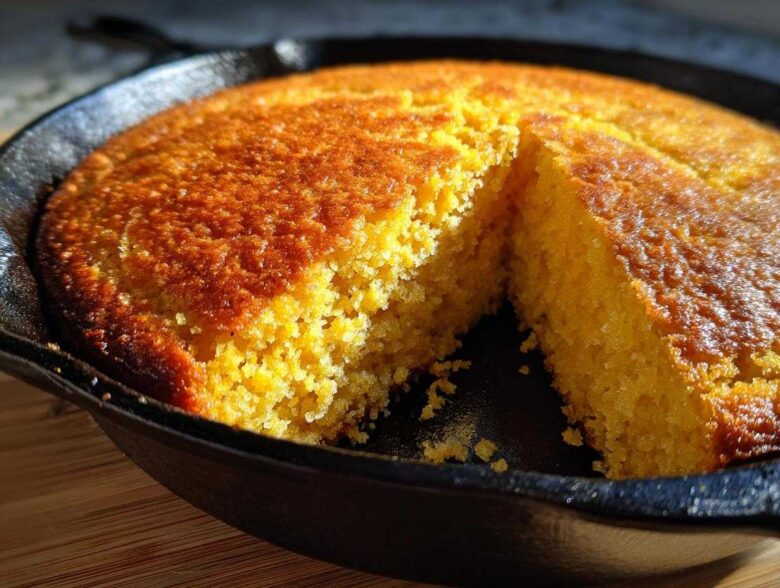
Let’s cut right to the chase: if your cornbread tastes like cake, you’re missing out on the best part! I’m Laura, and I love when Jessica has a wild vision, but sometimes, that vision—like making the most authentic classic cornbread—needs me to step in with my logistics brain. If you’ve been searching for that soul-satisfying, rustic texture, congratulations, you’ve found it. This recipe is for the true believer: the Authentic Southern Cast Iron Skillet Cornbread that is savory, unapologetically unsweetened, and delivers those legendary, crackly edges. Forget mushy sides; this skillet cornbread is what you need for dinner tonight, and trust me, it’s much easier than you think!
Why This Authentic Southern Skillet Cornbread Recipe Works (E-E-A-T)
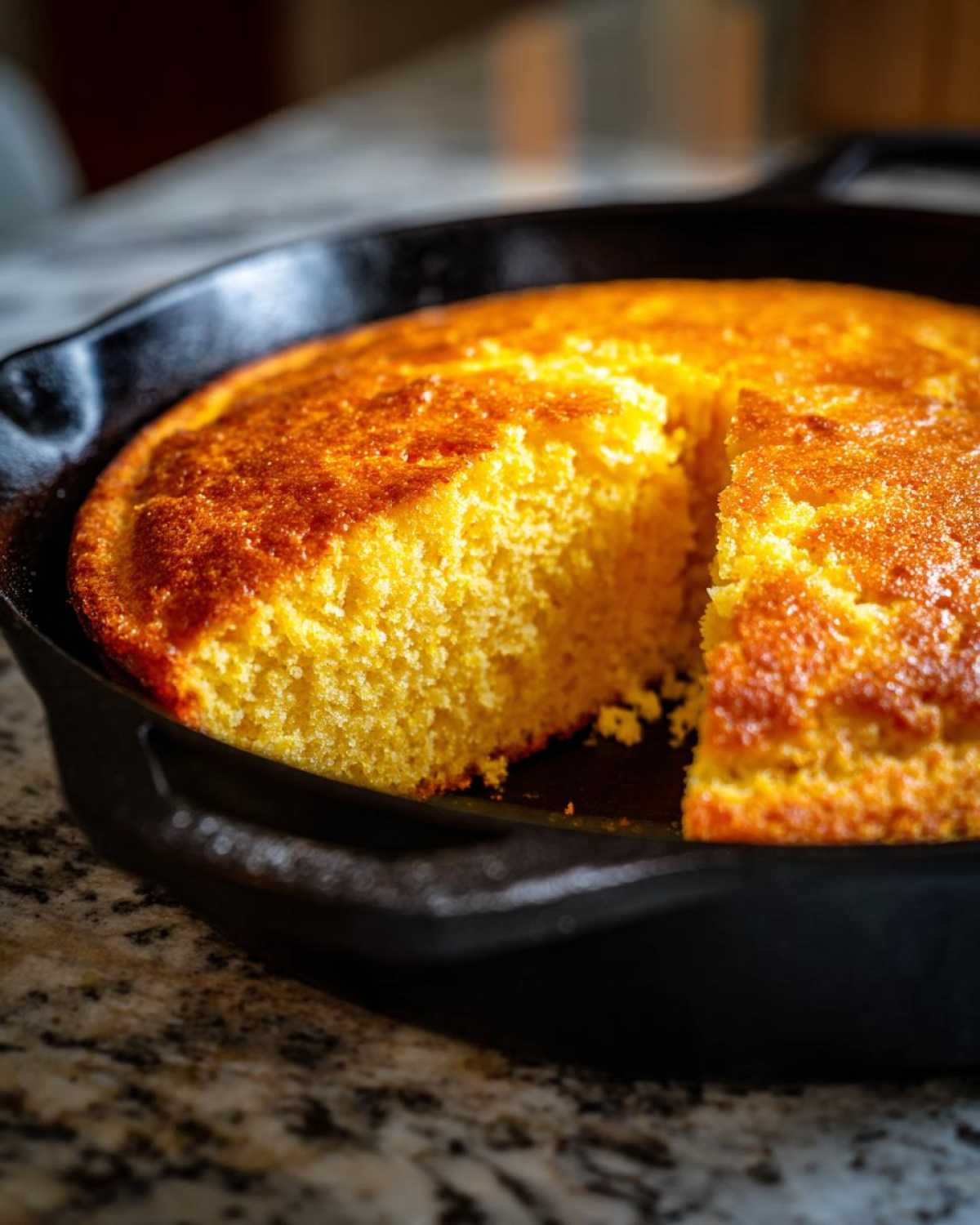
When Jessica first tried to make cornbread, it ended up flat and pale. That’s because true Southern baking is all about technique, not just dumping ingredients in a bowl! Here, we use three fundamental elements that guarantee success every single time. It’s the combination of heat, fat, and acid that transforms simple cornmeal into the best skillet cornbread you’ll ever have. This isn’t guesswork; this is time-tested logic that I meticulously recorded for our readers.
Achieving Crispy Skillet Cornbread Edges
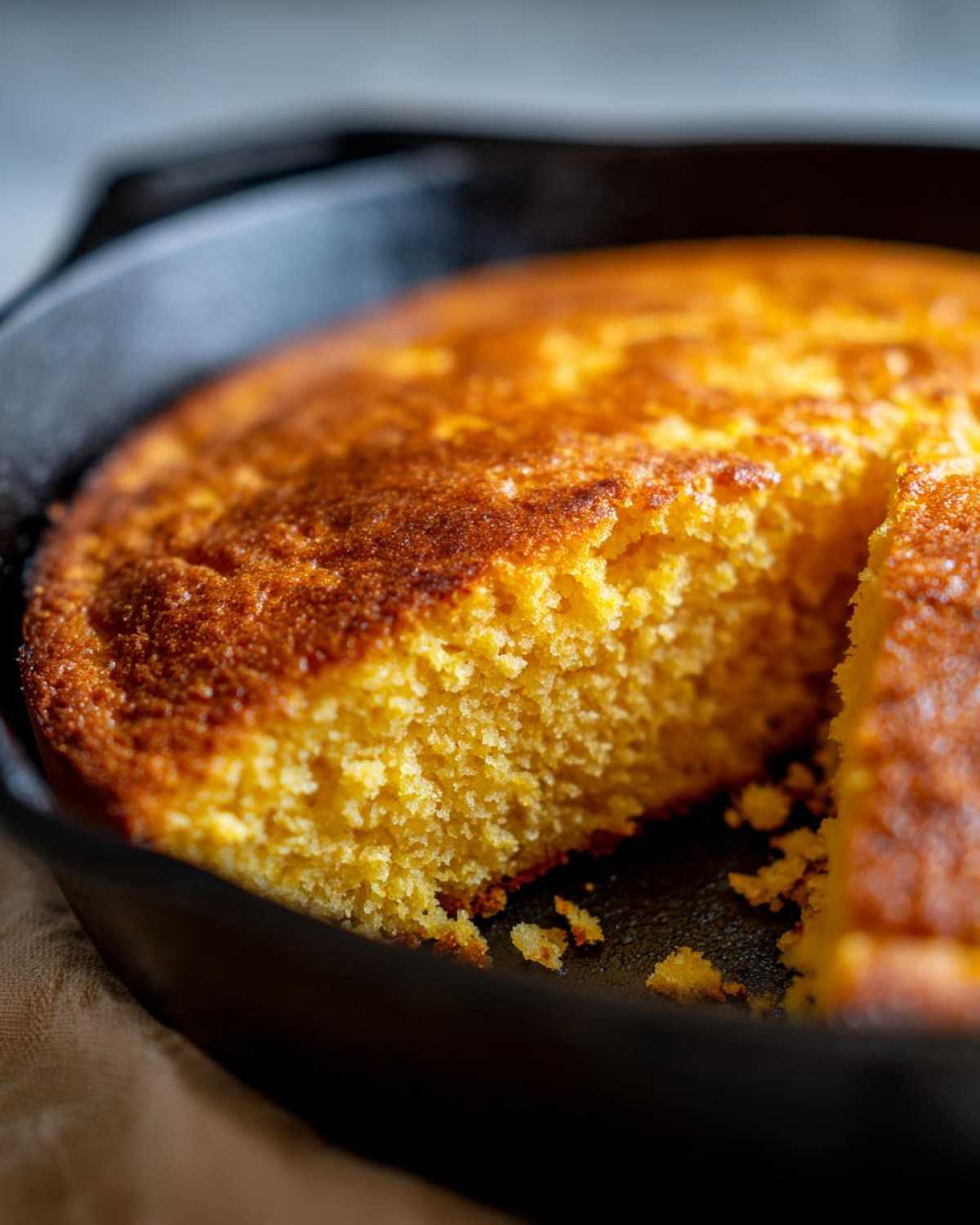
This is the step that separates the amateurs from the pros! We need that super-hot cast iron pan, smoking hot, before the batter even sees it. When that cold batter hits the sizzling hot fat and the preheated iron, it instantly sears the edges of the dough. That searing creates those beautiful, shatteringly crisp, golden-brown borders. That fantastic crunch is what everybody asks about when they try our recipe for crispy skillet cornbread edges.
The Role of Buttermilk in Moist Buttermilk Cornbread
Using buttermilk is crucial for that tender inside texture. That slight sourness in the buttermilk reacts perfectly when it meets the baking soda, giving us a beautiful, soft lift in the middle, but without any sugar getting in the way. It keeps the texture wonderfully soft and creamy. The result is a light, yet sturdy, moist buttermilk cornbread that holds up perfectly to broth or beans.
Gathering Ingredients for Your Skillet Cornbread
Okay, now that you know we aren’t making cake, let’s look at what you need. I keep this short, sweet, and simple, which Jessica appreciates because it means less time prepping and more time tasting! When we make this skillet cornbread, we aren’t messing around with unnecessary add-ins. We need quality staples for the best results. Make sure your bacon grease is melted and ready to go before you even think about mixing!
Ingredient Notes and Substitutions
You’ll notice we’re firm believers in real, honest ingredients here. For this Old Fashioned Cornbread Baking, the fat is non-negotiable for that authentic Southern flavor—bacon grease is king! If you absolutely can’t swing it, use a neutral oil or melted butter, but promise me you’ll try the grease next time. Also, please use yellow cornmeal, not white. Yellow gives us that rich color and that distinct, slightly coarse bite we aim for in a true Southern Style Cornbread without making it gritty.
Step-by-Step Instructions for Perfect Cast Iron Skillet Cornbread
Here’s where my love for order really comes in handy! Trust me, following these steps in order is the key to getting that beautiful crust. Jessica usually wants to dump everything in at once, but if we do that with this skillet cornbread, we lose all that glorious texture we worked so hard for during ingredient prep. Just breathe, follow the hot fat rule, and we’ll have perfect bread soon! I always keep my tablet open to our latest posts while I work, just to keep the inspiration flowing!
Preheating: The Secret to Crispy Skillet Cornbread Edges
This is the most crucial element for success! Set your oven way up high—425 degrees Fahrenheit is our magic number. Put your 10-inch cast iron skillet cornbread pan right inside while it heats up. You want that iron radiating heat for at least twenty minutes. When you’re ready to mix the final batter, you’ll carefully put your bacon grease into that super-hot pan inside the oven. It needs to be sizzling when the batter hits it!
Mixing the Batter: Avoid Overworking Your Easy Skillet Bread Recipe
Keep it simple here, folks. Whisk your dry stuff—the cornmeal, flour, salt, and leaveners—in one bowl. Whisk your wet stuff—the buttermilk and the egg—in another. Now, pour the wet into the dry. Mix it with a fork or a wooden spoon like you mean it, but only for about ten seconds! Seriously, stop mixing when you see a few dry streaks still clinging to the sides. That’s what keeps this an easy skillet bread recipe and not a hockey puck.
Baking Your Rustic Bread Recipe
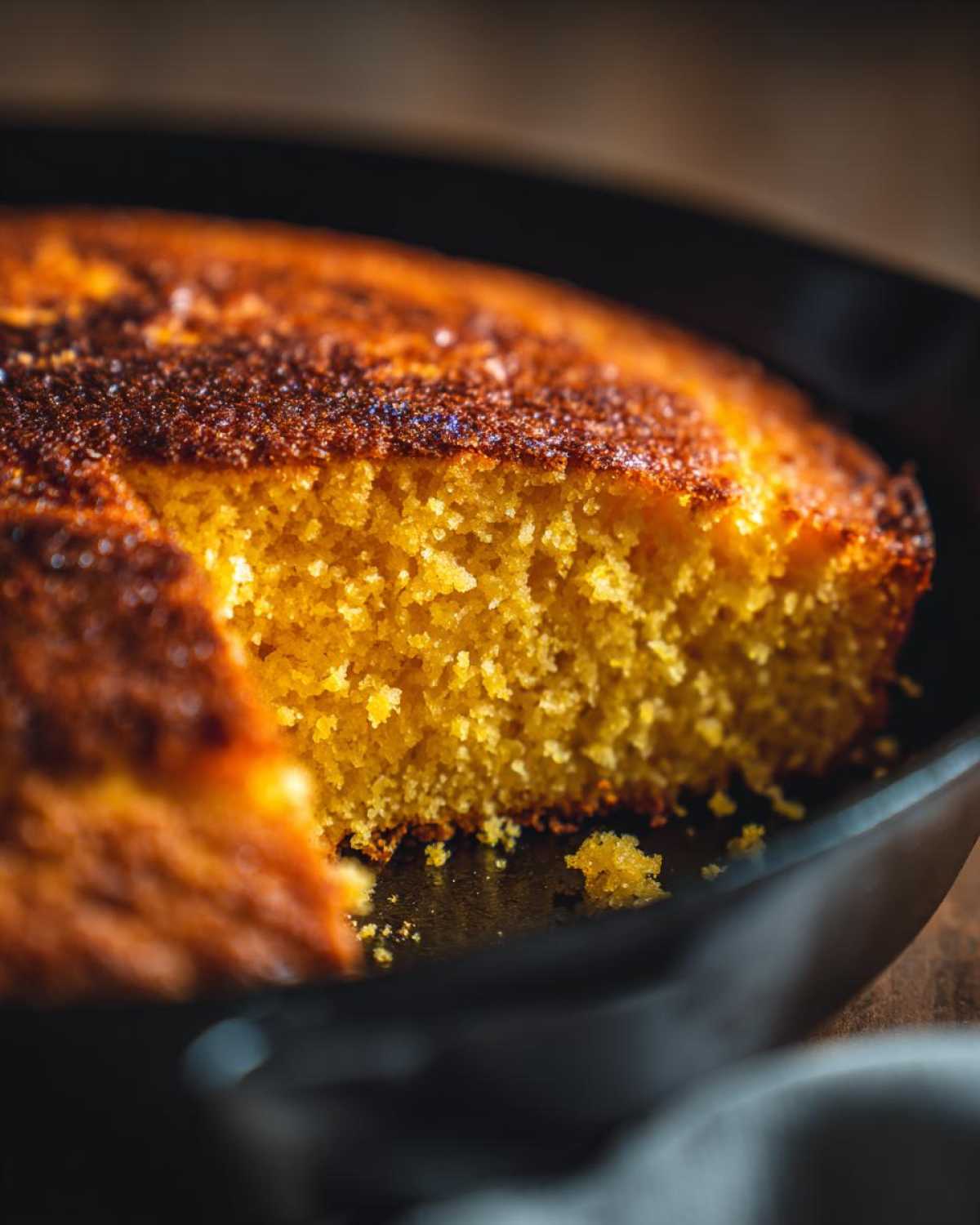
Once you’ve poured that beautiful, lumpy batter into the hot, shimmering bacon grease, you rush it right back into that 425-degree home! Don’t dawdle when moving it—the crisping process starts immediately. I usually set my timer for 20 minutes, but I always check closely around that mark. You’re looking for a deep golden-brown top surface, and it should sound hollow when you tap it gently.
A toothpick test is good, but remember, this is a moist buttermilk cornbread, so you want a few moist crumbs, not bone dry! After it comes out, resist the urge to dig in immediately. Let it settle in that hot pan for about five minutes. That brief rest helps the crust firm up perfectly. If you’re curious about sweet versions, I saw a gorgeous sweet cornbread recipe that looked great, but for this rustic side, patience pays off immediately!
Tips for Success with Your Homemade Cornbread Recipe
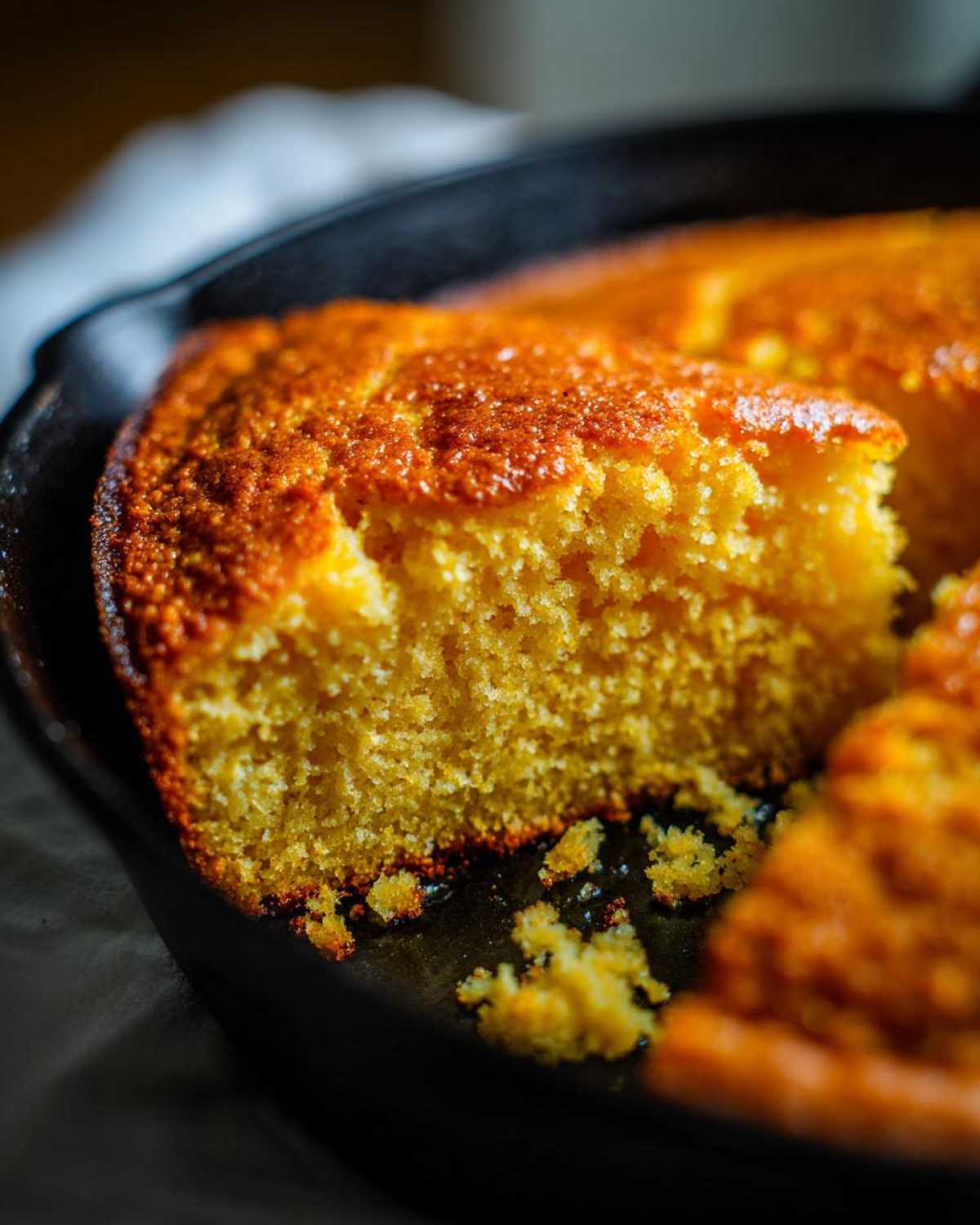
Honestly, the one thing that trips people up with this skillet cornbread is rushing the grease. I remember one time, Jessica was starving because we were sampling dips, and she pulled the hot skillet out, dumped the batter in, and didn’t swirl the grease around first. Oof. She ended up with one side that was gloriously crisp and the other side sticking badly! That’s why swirling the fat to coat every bit of that iron surface is essential.
Also, remember what I said about overmixing? That matters here more than almost any other bread recipe. Overmixing develops gluten in your flour, and that’s how you turn something meant to be tender and crumbly into something chewy. If you want the perfect texture, mix until *just* combined, then stop! Give it five seconds less mixing than you think you should. It feels wrong, but it results in magic. It’s always the simplest things that require the most attention. If you ever need inspiration for rich, comforting sides, check out our recipe for baked million-dollar dip instead!
Serving Suggestions for Southern Style Cornbread
Since this is a classic, savory, no-sugar version, figuring out what to eat it with is almost as fun as baking it! This is truly the best cornbread for chili—it soaks up all that spicy broth without adding an unnecessary layer of sweetness. It’s also fantastic crumbled over a hearty bowl of pinto beans or served alongside slow-cooked greens.
When we serve this Southern Style Cornbread, we keep the toppings simple. A thick smear of good salted butter is usually enough. Sometimes, Jessica likes to crumble it up and use it as a topping for her famous cheeseburger slider casserole—it gives that comforting, rustic texture we love so much!
You might also want to look up some other wonderful Southern recipes; I found a great source for authentic techniques over at Two Southern Sweeties that really appreciates these traditional flavor profiles too.
Storing and Reheating Your Skillet Cornbread
This savory skillet cornbread tastes even better the next day, which is why resisting the urge to eat the whole thing in one sitting is so hard! To store it, just let it cool completely, then wrap it tightly in plastic wrap, or stick it in an airtight container. It will stay perfectly good on the counter for about two days, though it might lose a tiny bit of that initial shatteringly crisp edge.
Now, for the restoration trick! Whenever I reheat leftovers, I always put the slice back into a dry, room-temperature cast iron skillet—or even just a regular hot pan—and pop it in a 350-degree oven for about five minutes. That little bit of dry heat brings back the golden color and that essential crunchy crust. Don’t skip this warming step; it’s worth the extra two seconds!
Frequently Asked Questions About No Sugar Cornbread Classic
Since Jessica and I get asked the same questions about this no sugar cornbread classic all the time, I figured we’d put the answers right here! Knowing the reasoning behind each step really helps you trust the process, which is what we are all about here at Foodie Heavens. If you ever need to reach out for specific substitution advice, don’t forget you can always drop us a line on our contact page!
Can I make this a Sweet Cornbread with Honey?
You absolutely could, but then it wouldn’t be this *authentic* recipe! This one is savory and meant for chili. If you want sweetness, start by adding maybe two tablespoons of honey or brown sugar in with the wet ingredients. Just know that adding sugar can slightly change the way those crispy skillet cornbread edges form, so proceed with caution!
What is the best fat to use for Bacon Grease Cornbread?
Hands down, the best fat is rendered bacon grease. It adds that smoky, savory richness that you just can’t fake. That deep flavor is why we love our bacon grease cornbread! If you are making this vegetarian, use a good quality, flavorless vegetable oil or even ghee, but it won’t have that same iconic taste.
Estimating Nutritional Data for This Buttery Skillet Baked Goods
Okay, so while we’re focused on flavor, I know some of you are tracking macros, and that’s perfectly fine! Here is the estimated nutritional breakdown for one glorious wedge of this buttery skillet baked goods using the provided measurements. Remember, since we aren’t adding sugar, the values are quite simple and satisfyingly low on the sweet side.
Just keep in mind that because we are dealing with bacon grease and specific cornmeal brands, these numbers are our best guess! For official details, you know I always point you straight to our official disclaimer page.
- Serving Size: 1 wedge
- Calories: 220
- Fat: 10g
- Carbohydrates: 29g
- Protein: 6g
- Sugar: Only 1g! See? I told you this was a classic savory recipe!
Authentic Southern Cast Iron Skillet Cornbread (No Sugar Added)
You will bake this traditional Southern cornbread in a cast iron skillet for irresistibly crispy edges and a moist, savory center. This easy recipe uses buttermilk and bacon grease for true old-fashioned flavor.
- Prep Time: 10 min
- Cook Time: 25 min
- Total Time: 35 min
- Yield: 8 servings
- Category: Side Dish
- Method: Baking
- Cuisine: Southern American
- Diet: Vegetarian
Ingredients
- 1 cup yellow cornmeal
- 1 cup all-purpose flour
- 1 teaspoon baking soda
- 1/2 teaspoon salt
- 1/4 teaspoon baking powder
- 1 cup buttermilk
- 1 large egg
- 1/4 cup bacon grease, melted (or unsalted butter)
Instructions
- Preheat your oven to 425 degrees Fahrenheit. Place your 10-inch cast iron skillet in the oven while it preheats. You want that skillet very hot.
- In a medium bowl, whisk together the cornmeal, flour, baking soda, salt, and baking powder.
- In a separate small bowl, whisk the buttermilk and egg together until combined.
- Pour the wet ingredients into the dry ingredients. Mix them just until they are combined; do not overmix the batter. A few lumps are fine.
- Carefully remove the hot skillet from the oven. Add the melted bacon grease to the hot skillet and swirl it around to coat the bottom and sides completely. The grease should sizzle slightly.
- Pour the cornbread batter immediately into the hot, greased skillet.
- Return the skillet to the oven and bake for 20 to 25 minutes, or until the top is golden brown and a toothpick inserted into the center comes out clean.
- Let the cornbread cool in the skillet for about 5 minutes before slicing and serving. Enjoy those crispy skillet cornbread edges!
Notes
- For the best crispy edges, make sure your cast iron skillet is fully preheated with the fat sizzling hot before you add the batter.
- If you do not have bacon grease, substitute with 1/4 cup of vegetable oil or melted butter, though bacon grease provides the most authentic Southern flavor.
- This recipe makes a savory, not sweet, cornbread, perfect for serving with chili or beans.
Nutrition
- Serving Size: 1 wedge
- Calories: 220
- Sugar: 1
- Sodium: 350
- Fat: 10
- Saturated Fat: 4
- Unsaturated Fat: 6
- Trans Fat: 0
- Carbohydrates: 29
- Fiber: 1
- Protein: 6
- Cholesterol: 35