

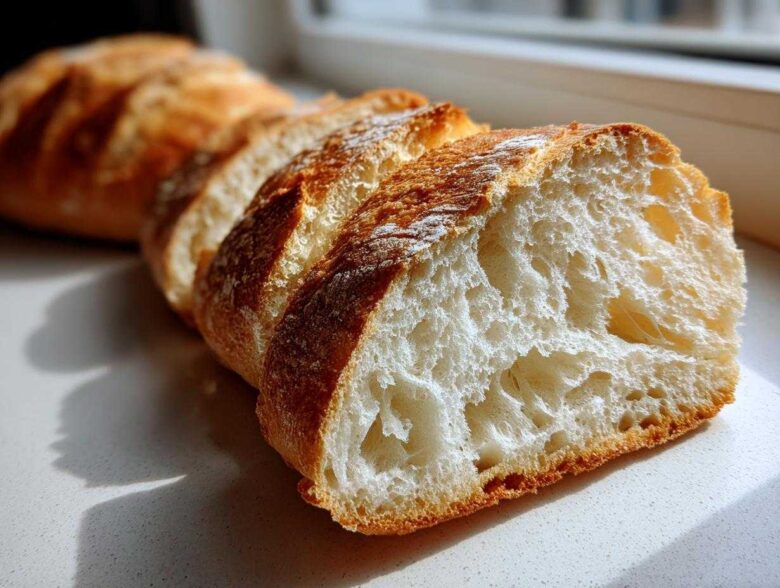
Oh, friends, stop whatever you’re doing and smell the virtual air! There is truly no greater joy than pulling a fresh, golden loaf out of your own oven, and that’s why Jessica and I have perfected this Simple Yeast Bread recipe. Forget those mediocre grocery store options; we are talking about *real* french bread here! This is our go-to Homemade French Bread Recipe because it’s genuinely Easy Homemade Soft and Crusty French Bread, and guess what? It’s ready in under two hours. I remember when Jessica first tried making these loaves; she nearly set off the smoke alarm, but now, thanks to my logistics brain, we’ve figured out the perfect balance to deliver that bakery magic easily!
Why This Easy French Bread Recipe is Your New Favorite
Listen, I know bread scares people. It seems like complicated science, right? But that’s the beauty of this recipe! We designed this specifically for Beginner Bread Baking because we cut down the rising time without sacrificing results. You get that dream combination everyone wants.
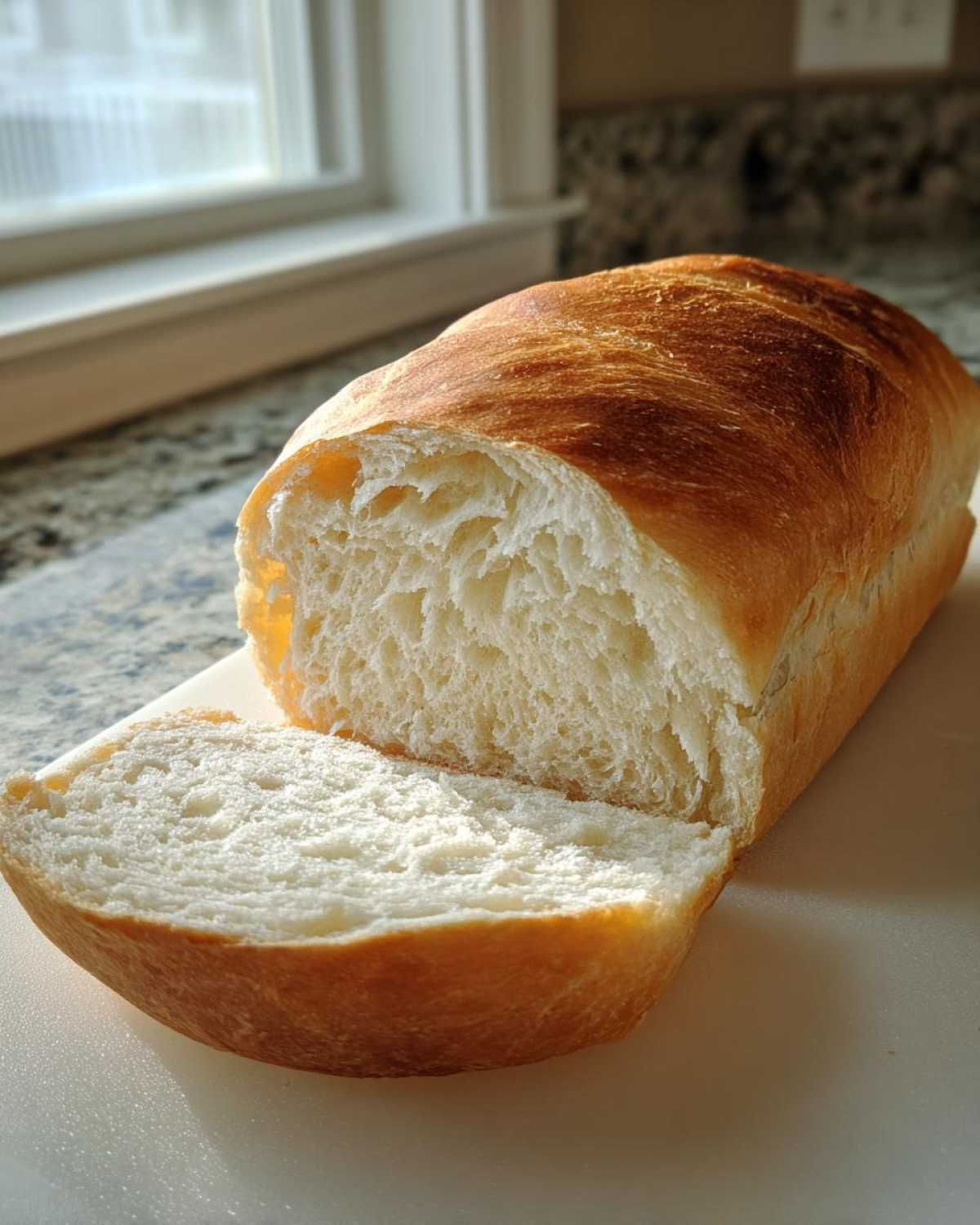
- A wonderfully crusty exterior that sings when you slice it.
- A truly soft and fluffy interior—a tender crumb that melts in your mouth.
- It’s fast! We promise you almost-homemade quality in less than two hours.
If you’ve been searching for truly Soft French Bread at Home, this is the method that wins every time.
Achieving Bakery Style Bread Texture
The secret to hitting that perfect texture sweet spot—crusty outside, fluffy inside—is all about the environment we create during baking. We use a simple egg wash right before it goes in, which gives you that gorgeous golden color and satisfying crunch. Then, we introduce a little steam right away, which keeps the outside flexible just long enough for the interior to puff up big and light. That one-two punch delivers true Bakery Style Bread!
Gathering Ingredients for Your Homemade French Bread Recipe
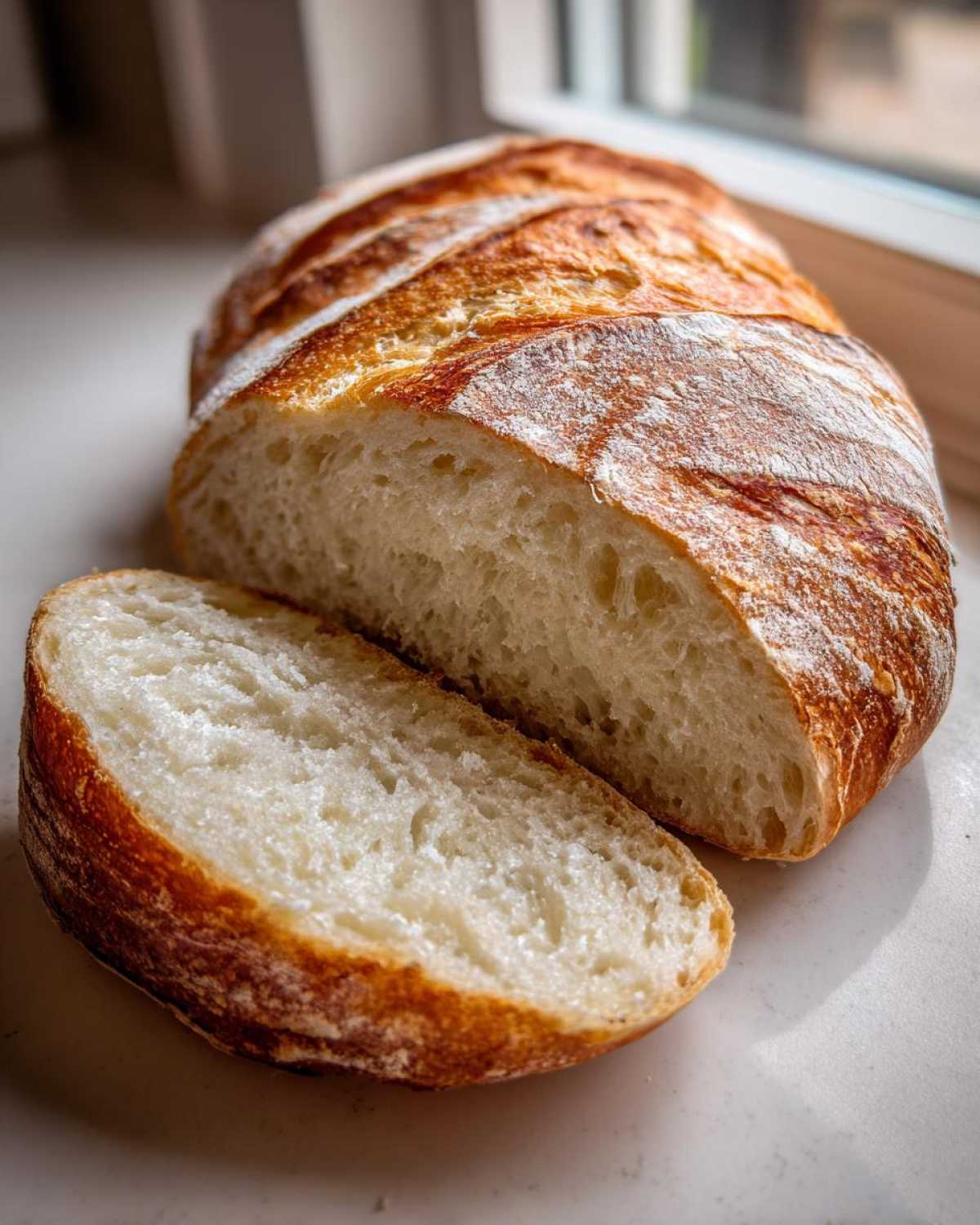
Okay, let’s talk supplies! This Homemade French Bread Recipe is proof that you don’t need fancy stuff to make incredible bread. Seriously, I checked Jessica’s pantry, and we had everything on hand already. We’re sticking strictly to the basics, which is what keeps this quick and easy!
You’ll need:
- 3 cups all-purpose flour (nothing fancy!)
- 1 teaspoon salt
- 1 packet active dry yeast (that’s 2 1/4 teaspoons if you buy it in bulk)
- 1 1/2 cups warm water (and this is important: 105-115°F is the sweet spot)
- 1 teaspoon sugar (this is just yeast food!)
- 1 tablespoon olive oil (just to keep the bowl from getting sticky)
- 1 egg white, lightly beaten, mixed with 1 teaspoon water (for that lovely shiny top)
That’s it! Basic stuff resulting in amazing bread—how great is that?
Simple Steps to Make Your Quick French Bread Recipe
Don’t let the rising times scare you away from this Quick French Bread Recipe; a lot of that time is hands-off resting! I promise Jessica and I have made this so foolproof, even if this is the very first time you’ve tried baking bread from scratch. Because we’re focusing on the goal of Tender Crumb Bread, we need to respect the yeast, but the active work time is super short. When you see that foamy top, you know you’re ready for the next part. You can check out some more general baking inspiration on our blog if you need a little pep talk!
Activating the Yeast and Mixing the Dough
First things first: we wake up the yeast! Take your warm water—and I mean *warm*, not scorching hot—and stir in that teaspoon of sugar. Sprinkle the yeast right on top and just let it sit for about five to ten minutes. If it gets foamy and bubbly, cheer because your yeast is alive! Then, dump in all your flour and the salt, and just mix with a sturdy wooden spoon until it looks like a shaggy mess. Don’t try to mix it perfectly yet!
Kneading and First Rise for Fluffy Loaf Recipe
Now for the fun part, which is actually really good exercise: kneading! Turn that shaggy dough onto a lightly floured surface and work it for a good six to eight minutes. You’re looking for it to transform until it feels smooth and elastic—it shouldn’t stick to your hands much anymore. Lightly oil a big bowl, pop the dough in, cover it up, and stick it in a suitably warm spot for the first rise. We need 60 to 75 minutes for this step, letting that dough get big!
Shaping and Second Proofing for Your French Bread
Once it’s doubled, gently punch the air out—it’s so satisfying! Now, divide that dough right down the middle to make two equal halves. This is where we shape our french bread. Roll and gently stretch each piece until you have two long, uniform loaves, kind of like little baguettes. Place them on your lined baking sheet, cover them loosely again, and let them have a short, little nap for about 20 minutes while the oven gets hot. That’s the second proof!
Baking Techniques for the Perfect Crusty Exterior Bread
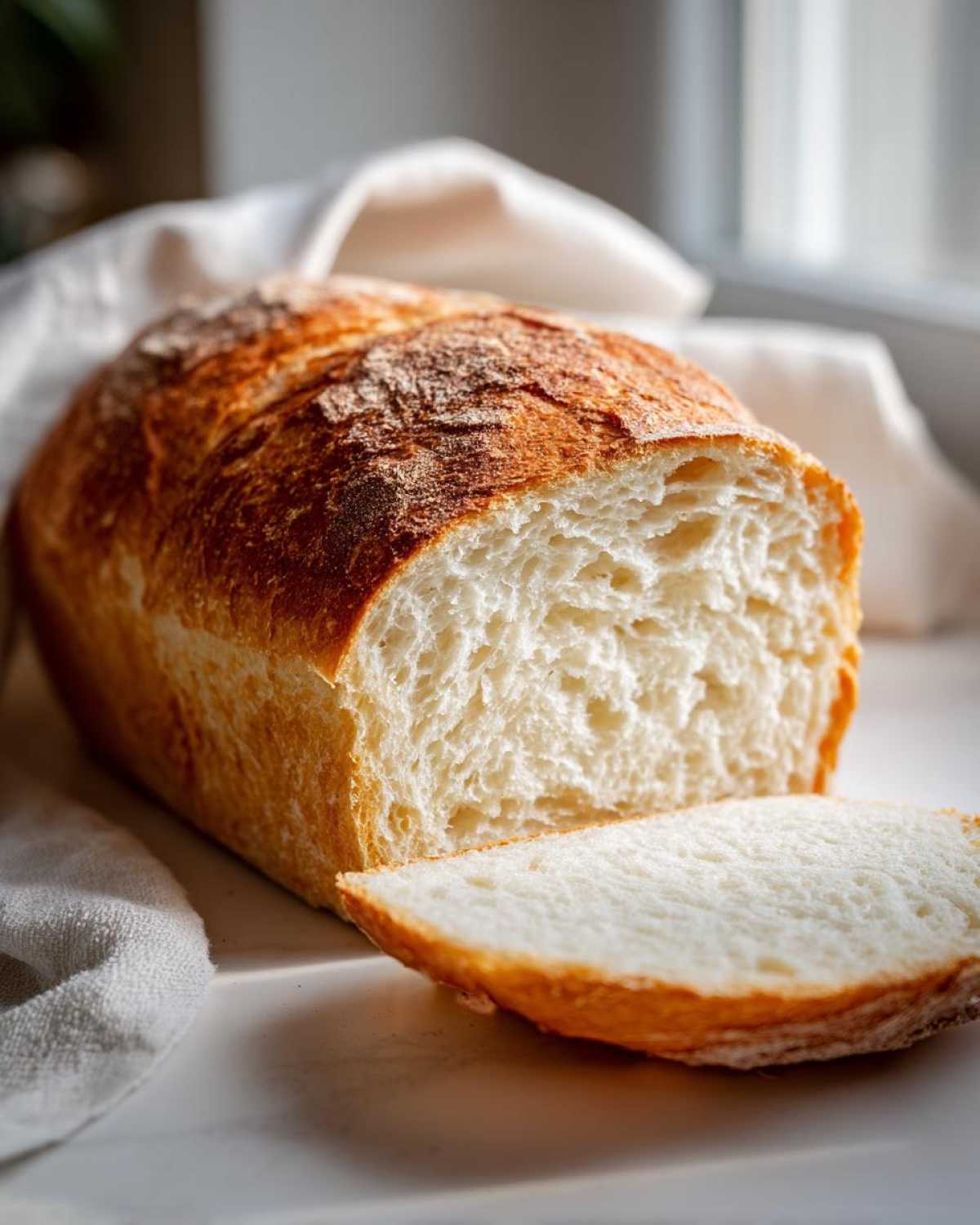
Okay, listen up, because this next part is what takes your loaf from ‘nice bread’ to ‘OMG, where did you buy this amazing french bread?!’ We need high heat and steam to get that picture-perfect shatter when you slice into it. Get your oven preheating to 400°F (200°C) right now. Remember, this is where my logistics brain comes in handy with crucial Baking Homemade Bread Tips: you need a shallow pan sitting on the very bottom rack while it preheats. This pan is your steam generator! Trust me, this method is better than just spraying water everywhere, and it’s one of the best secrets from blogs like Everyday She Moms.
Once the oven temperature is ready, we prep the loaves. Give those slightly puffed-up loaves a gentle brush with the simple egg white wash we mixed. This helps with color and shine. Then, grab a super sharp knife and make three diagonal slashes across the top of each loaf—don’t be shy; they need room to burst open beautifully. This scoring is essential for how your french bread bakes up.
Creating Steam for Crusty Artisan Bread
Steam is the key to that phenomenal crunch, folks! When you slide your baking sheet carefully into the oven, immediately pour about half a cup of hot water into that hot pan waiting underneath. Watch out, because a huge cloud of steam is going to rise up! That burst of moisture during the first ten minutes keeps the surface of your dough soft enough to expand into that glorious, airy structure, resulting in that incredible Crusty Artisan Bread exterior we all crave. Bake time is usually 20 to 25 minutes until they look deep golden brown.
Ingredient Notes and Substitutions for Soft French Bread at Home
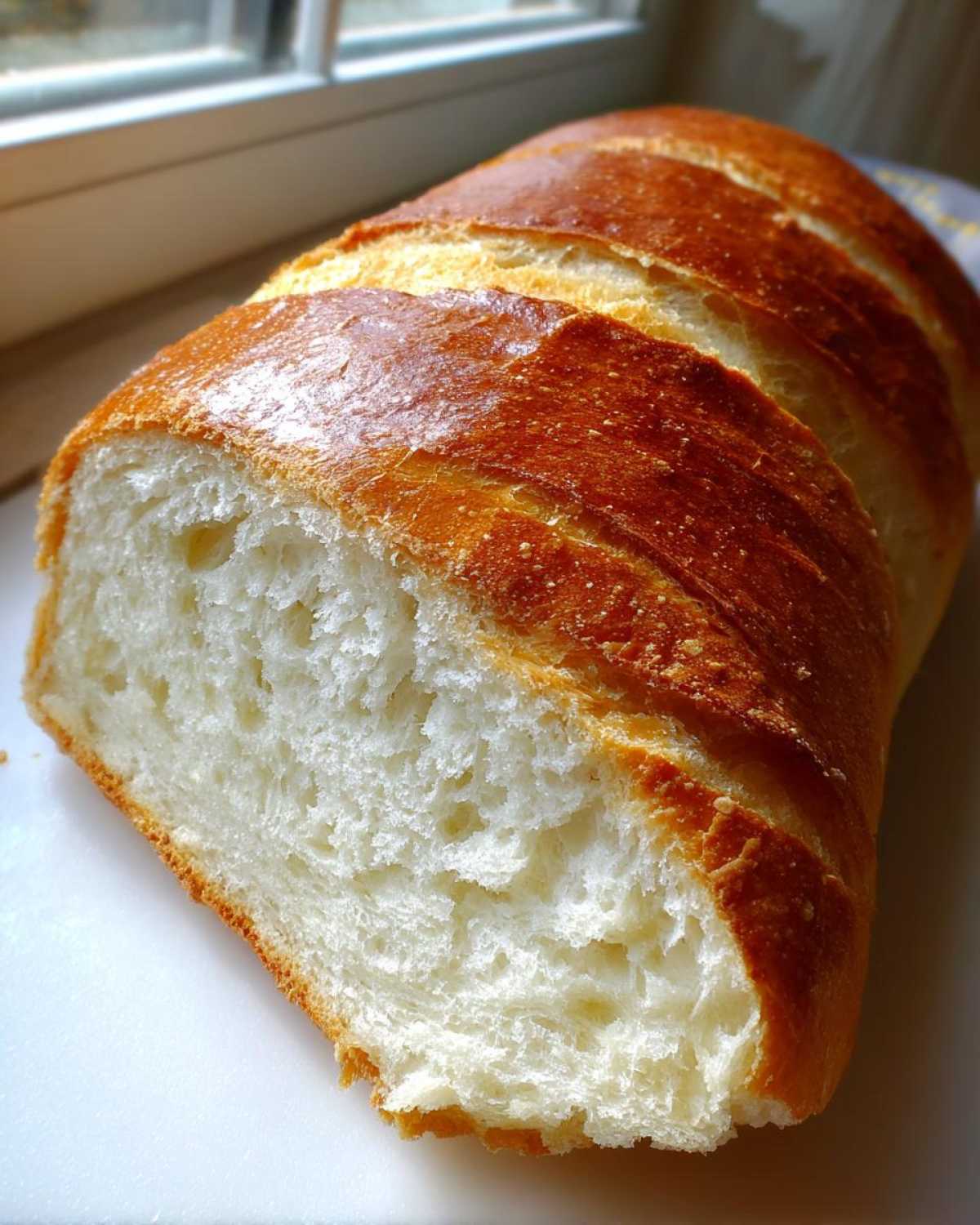
I get so many questions about swapping ingredients, and it’s totally understandable! When you’re looking to make Soft French Bread at Home, ingredient quality really shines through. Let’s quickly chat about two key players: water temperature and sugar.
The water temperature (105-115°F) isn’t arbitrary; if it’s too hot, you kill your yeast, and the dough won’t rise. If it’s too cool, it takes forever for the yeast to wake up. And that teaspoon of sugar? It’s strictly to feed the yeast; you won’t taste it in the final loaf, I promise!
If you’re out of active dry yeast, instant yeast works fine—just mix it right in with the flour, no need to bloom it first. For flour, all-purpose is what we tested, but if you want a slightly heartier loaf, even a 50/50 mix with bread flour will be fantastic.
Tips for Success When Making French Bread
Even though this is an easy recipe, the difference between good bread and *fantastic* french bread comes down to listening to your dough. Jessica always reminds me that baking is a conversation, not a command! Here are a few things we’ve learned that really help nail that Tender Crumb Bread texture every single time.
First off, don’t skip spritzing the dough! If you really want that shatteringly crisp crust, try lightly spraying the loaves with water two or three times during the first ten minutes of baking. It feels a little weird, but it locks in that incredible crust. Speaking of amazing flavor pairings, if you’re ever looking for a dip to go alongside this bread, you have to check out our recipe for Bacon and Green Onion Neiman Marcus Dip!
My personal tip? After kneading, I like to press my whole hand into the dough ball before I cover it for the first rise. If it springs back immediately and feels firm, it needs more work. If it feels soft and just slowly recovers, that’s when you know your gluten structure is perfect for that fluffy loaf!
Also, remember that if you want a slightly softer overall crust—maybe you’re making Bread for Sandwiches—just skip the egg wash entirely and rely only on the steam pan. For extra background on crust magic, check out the tips over at the Crusty Mini Baguettes guide! Either way, tapping the bottom for that hollow sound before pulling them out is always the final test, no matter what!
Serving Suggestions for Your Dinner Side Bread
The best part about having an amazing, crusty loaf of french bread ready to go is figuring out what to eat it with! I mean, yes, you can pretty much just sit there and eat the whole thing with butter, and I totally understand that impulse! But this bread shines next to so many things.
It’s obviously the ultimate Dinner Side Bread. Think about tearing off big chunks to sop up rich sauces or dipping it into olive oil and balsamic vinegar. It also makes the absolute best base for hearty meals like our Cheeseburger Slider Casserole—you need that sturdy crunch to handle the toppings.
And when you’re packing lunches? Forget those sad, pre-sliced loaves. This is perfect Bread for Sandwiches; the crust holds up beautifully without getting soggy right away. Once it cools, slice it thick for real French dips or garlic bread!
Storing and Reheating Your Homemade French Bread Recipe
Nothing ruins fresh bread faster than letting it go stale, so you need a plan for this gorgeous Homemade French Bread Recipe! If you have leftovers (which is rare in my house!), you want to keep that crust/crumb contrast intact. Never store your french bread in the fridge—it speeds up staleness! Just leave it on the counter, cut-side down on a cutting board, or loosely wrapped in a clean towel for about a day.
When you’re ready for that second round of gloriousness, reheating is key. Pop the loaf right back into a 350°F oven for about five to seven minutes. The heat wakes up that crust just enough so it cracks perfectly again!
Frequently Asked Questions About This Easy French Bread
It’s natural to have questions when diving into first-time baking projects, even with an Easy French Bread recipe like this one! Don’t worry if you’re looking for slight tweaks or troubleshooting tips. We’ve got you covered here before you conquer the kitchen!
Can I make this a Quick French Bread Recipe if I use instant yeast?
Yes, you absolutely can, but just know that this recipe’s rising times were tested specifically with active dry yeast. Instant yeast doesn’t need to be proofed in water first; you can mix it right in with your flour and salt. If you use instant yeast, you might save about 10 minutes on the initial setup, but I highly recommend sticking to the specified 60-75 minute first rise time to make sure you get that tender, fluffy outcome!
How do I get a chewier texture instead of soft french bread?
That’s a common query! If you prefer that extra bit of chewiness—sometimes called a Chewy French Bread texture—you can make a couple of small swaps. The egg wash definitely locks in softness, so skipping that and relying only on the steam pan will give you a slightly tougher, chewier bite. Also, slightly increasing the water by about two tablespoons can boost chewiness, but be careful not to add too much, or you’ll have trouble shaping those loaves!
If you are looking for even faster options, some folks swear by the One Hour French Bread Recipe methods, but honestly, giving the dough this little extra time ensures you get that perfect structure without hacking the flavor!
Nutrition Estimates for This Simple Yeast Bread
Jessica and I always stress that for a recipe like this Simple Yeast Bread, these numbers are just guidelines, not strict mandates! We calculated these estimates assuming you get 16 decent-sized slices from both loaves combined. Because we use basic flour and water, the stats are pretty friendly, but remember that butter or toppings will certainly change the final count. Enjoy this delicious bread guilt-free, knowing you made it yourself!
Here’s what we estimate per slice:
- Calories: 150
- Sugar: 1g
- Sodium: 250mg
- Fat: 1g
- Protein: 4g
Share Your Homemade French Bread Creations
Now that you’ve filled your kitchen with that amazing yeast smell and pulled out two gorgeous loaves of homemade french bread, we absolutely *need* to hear about it! Jessica and I seriously thrive on seeing your triumphs. Did you get that perfect crackle on the crust? Did you serve it with that amazing homemade soup you made?
Please head down to the comments below and leave us a rating—we shoot for five stars, obviously! Tell us what you ate it with. Did you make it for sandwiches, or did it disappear toasted with butter before dinner was even served?
Snap a picture of your beautiful loaves and tag us on social media! Sharing your successful baking journey helps other beginners feel brave enough to try making their own Homemade French Bread Recipe next week. Let’s keep this Foodie Heaven community growing together!
PrintEasy Homemade Soft and Crusty French Bread (Ready in Under 2 Hours)
You asked for it! This recipe delivers that perfect bakery-style French bread at home: a wonderfully crusty exterior with a soft, fluffy interior. It is surprisingly simple and uses basic ingredients, making it ideal for beginners wanting a quick loaf for dinner or sandwiches.
- Prep Time: 20 min
- Cook Time: 25 min
- Total Time: 1 hour 40 min
- Yield: 2 loaves
- Category: Baking
- Method: Baking
- Cuisine: French
- Diet: Vegetarian
Ingredients
- 3 cups all-purpose flour
- 1 teaspoon salt
- 1 packet active dry yeast (2 1/4 teaspoons)
- 1 1/2 cups warm water (about 105-115°F)
- 1 teaspoon sugar
- 1 tablespoon olive oil (for the bowl)
- 1 egg white, lightly beaten (for wash)
- 1 teaspoon water (for egg wash)
Instructions
- In a large bowl, dissolve the sugar in the warm water. Sprinkle the yeast over the top and let it sit for 5 to 10 minutes until foamy. This shows your yeast is active.
- Add the flour and salt to the yeast mixture. Mix with a wooden spoon until a shaggy dough forms.
- Turn the dough out onto a lightly floured surface. Knead for 6 to 8 minutes until the dough is smooth and elastic. It should feel soft.
- Lightly oil a clean bowl with the olive oil. Place the dough in the bowl, turning it once to coat. Cover the bowl with plastic wrap or a clean kitchen towel.
- Let the dough rise in a warm spot for 60 to 75 minutes, or until it has doubled in size. This is your first rise.
- Gently punch down the dough. Divide it into two equal pieces. Shape each piece into a long, uniform loaf shape, similar to a baguette.
- Place the shaped loaves on a baking sheet lined with parchment paper, leaving space between them. Cover loosely and let them rest for a second, short rise for 20 minutes.
- Preheat your oven to 400°F (200°C). Place a shallow pan on the bottom rack while the oven heats to create steam for a better crust.
- Mix the egg white and 1 teaspoon of water together for the egg wash. Lightly brush the tops of the loaves with the wash. Using a sharp knife, make three diagonal slashes across the top of each loaf.
- Carefully pour about 1/2 cup of hot water into the preheated shallow pan on the bottom rack (be careful of steam). Immediately place the baking sheet with the bread into the oven.
- Bake for 20 to 25 minutes, or until the loaves are deep golden brown and sound hollow when tapped on the bottom.
- Remove the bread from the oven and transfer it to a wire rack to cool completely before slicing. Enjoy your homemade French bread!
Notes
- For an extra crusty exterior, you can lightly spritz the loaves with water a couple of times during the first 10 minutes of baking.
- If you want a softer crust, skip the egg wash and simply place a pan of water in the oven during baking.
- This dough is perfect for making dinner side bread or bread for sandwiches.
Nutrition
- Serving Size: 1 slice
- Calories: 150
- Sugar: 1
- Sodium: 250
- Fat: 1
- Saturated Fat: 0
- Unsaturated Fat: 1
- Trans Fat: 0
- Carbohydrates: 31
- Fiber: 1
- Protein: 4
- Cholesterol: 0